Reverse Logistics And Returns
| Warehouse Type | Reverse Logistics and Returns Facility |
|---|---|
| Primary Function | Processing customer returns and product recalls |
| Typical Layout | Receiving docks, inspection stations, sorting areas, restocking zones, disposal/recycling streams |
| Key Equipment | Barcode/RFID scanners, conveyor systems, inspection stations, repackaging stations |
| Common Processes | Inspection, sorting, restocking, refurbishment, recycling, disposal |
| Typical Clients | E-commerce retailers, consumer electronics brands, apparel companies |
| Major Location Factors | Proximity to large consumer markets and forward distribution centers |
Origin and history
Reverse logistics as a formalized supply chain process originated in Northern Europe and North America during the late 20th century. Its development was driven by regulatory changes, particularly environmental legislation concerning product disposal and recycling. The concept gained significant structural definition throughout the 1990s as industries like automotive and electronics faced mandatory take-back schemes. The formal term "reverse logistics" was adopted to distinguish these return flows from traditional forward logistics. This period saw the establishment of dedicated processing centers, moving beyond simple warehouse returns corners. The evolution of e-commerce in the early 2000s transformed returns from a cost-centric compliance activity into a critical customer service component.
What it is for
Reverse logistics and returns processing manages the flow of goods from their final point of consumption back to the point of origin or another point for value recovery. Its primary function is to handle customer returns, including inspection, sorting, and determining the most appropriate disposition for each item. The process facilitates the refurbishment, repair, and remanufacturing of products to re-enter sales channels, often as open-box or refurbished items. It enables the responsible recycling and disposal of materials in compliance with environmental regulations and sustainability goals. A core purpose is the recovery of asset value through parts harvesting or materials reclamation from unsellable products. The system also generates critical data on return reasons, which is used for product quality improvement and fraud prevention.
Pros and cons
A major advantage is the recovery of significant value from returned assets, which can be resold, thus converting a potential loss into revenue. An effective system also directly enhances customer loyalty and competitive advantage by providing a hassle-free returns experience. From an environmental standpoint, it enables compliance with regulations and supports corporate sustainability objectives through recycling and waste reduction. A significant drawback is the high cost, as processing a return is often more expensive than the initial outbound shipment due to manual inspection and handling. Companies frequently underestimate the complexity and space required for sorting, testing, and storing returned items in distinct condition grades. The most common mistake is treating returns as an afterthought rather than a core competency, leading to inefficient ad-hoc processes that erode profits and customer satisfaction. Businesses often regret implementing a lenient returns policy without the corresponding infrastructure to process items efficiently, resulting in massive backlogs and asset depreciation.
Who it suits
This operational model is essential for retailers and manufacturers with high-value electronics, appliances, or machinery where asset recovery is financially critical. It suits businesses operating in jurisdictions with strict producer responsibility laws requiring them to manage end-of-life product recycling. E-commerce companies with high return rates, particularly in apparel and footwear, require a robust returns system as a fundamental part of their customer service promise. Manufacturers pursuing circular economy business models, such as those offering leasing or subscription services, depend entirely on efficient reverse logistics for product refurbishment. Large omnichannel retailers with physical stores are well-suited, as they can often process returns in-store for immediate restocking, simplifying the reverse flow. It is less suited for businesses dealing exclusively in very low-cost, disposable commodities where the cost of processing exceeds any recoverable value.
Latest Reverse Logistics And Returns news
Latest reporting
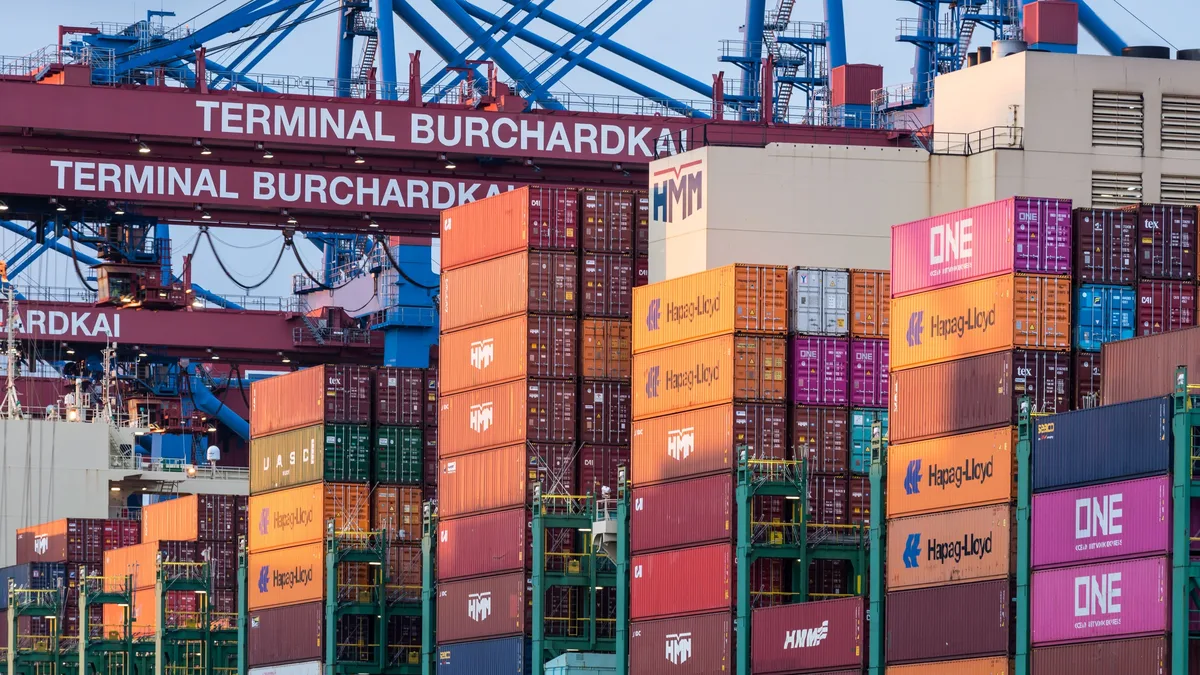
CMA CGM completes $1.4bn FedEx Supply Chain
CMA CGM has finalized its $1.4 billion purchase of FedEx Supply Chain, integrating the contract logistics business into its Ceva Logistics arm to
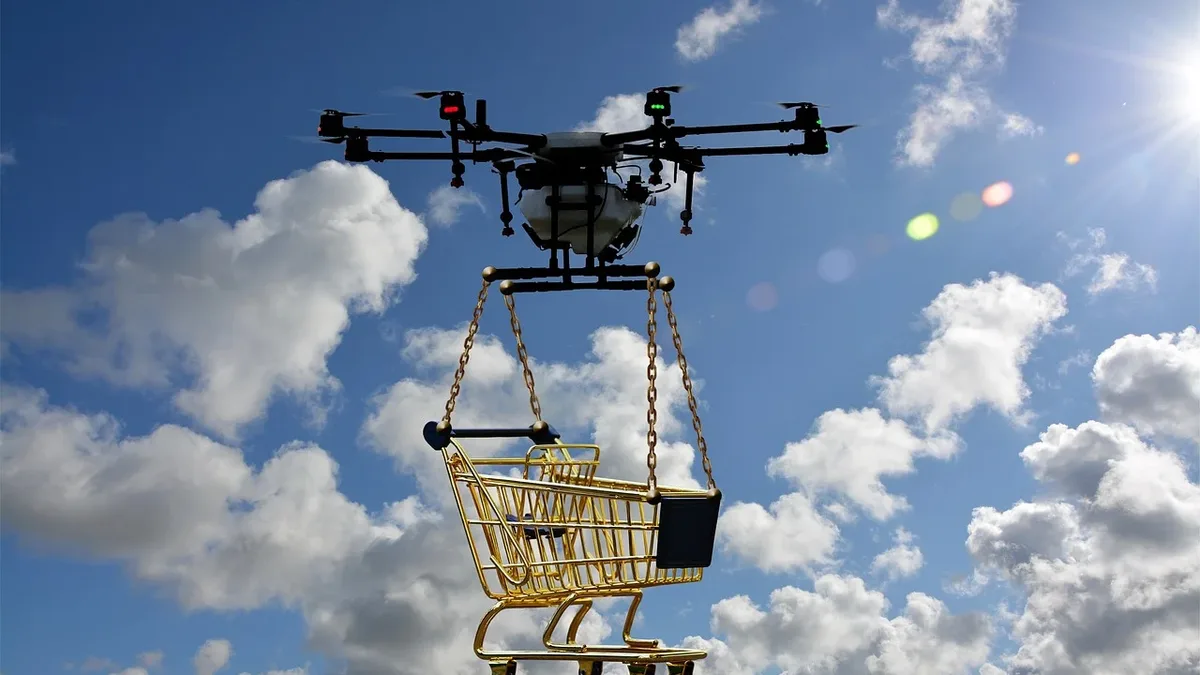
DoorDash Launches Drone Delivery and Nationwide Returns
DoorDash has launched its own custom-built drone delivery system and a flat-fee retail returns service, expanding into high-margin logistics segments...
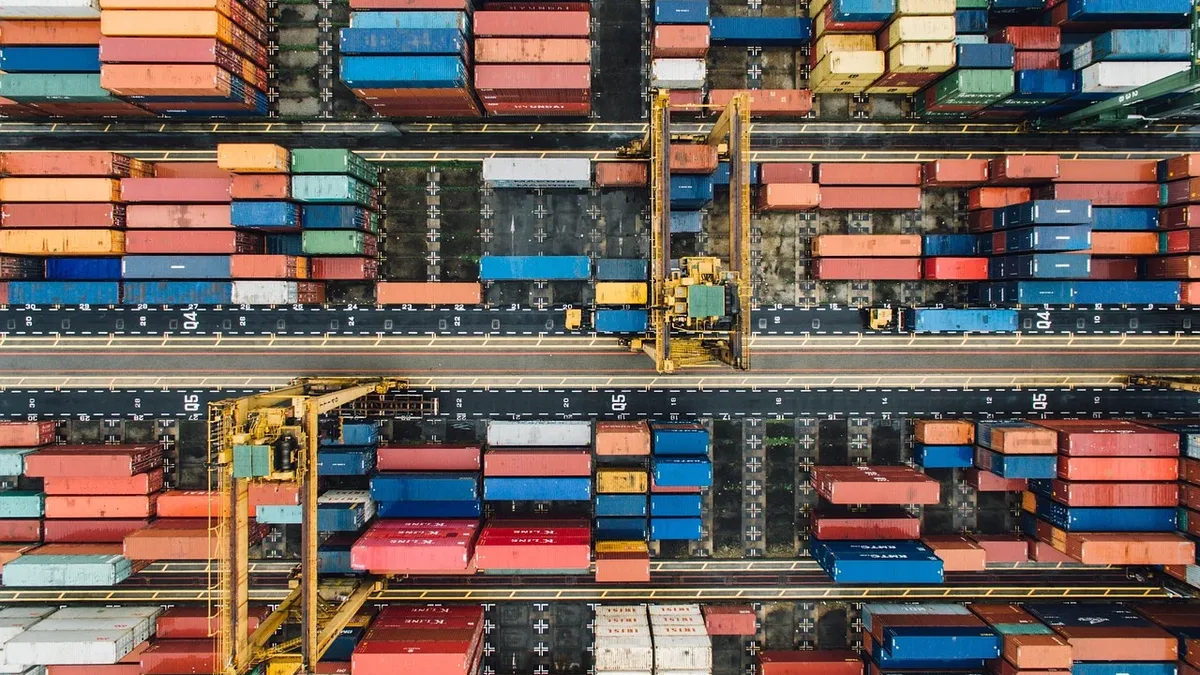
Pharma Logistics Risks: Temperature Mishandling and Theft
An estimated 3-4% of pharmaceutical product is lost to temperature mishandling and theft, with fragmented data and evolving fraud tactics creating...
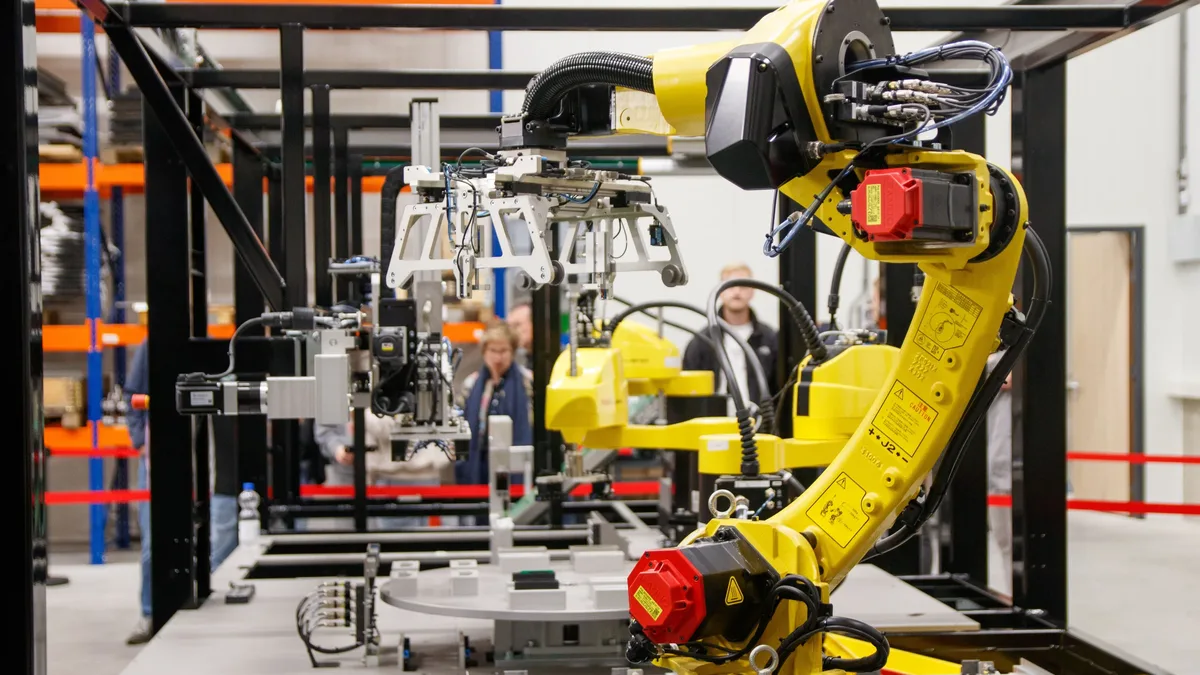
DHL Trend Radar 8.0 Charts Rise of Agentic AI in Logistics
DHL's latest trend report identifies agentic AI as a key force moving logistics from digital assistance to autonomous action, while highlighting the
Fed Rate Hike Raises Costs for Freight Industry
The Federal Reserve's latest interest rate increase will raise capital costs for carriers and cool consumer demand, directly impacting logistics...

Tesla Plans Major Texas Distribution Hub Near Austin
Tesla is planning a 538,720-square-foot distribution center in Mustang Ridge, Texas, as part of its expanding logistics footprint tied to cross-border