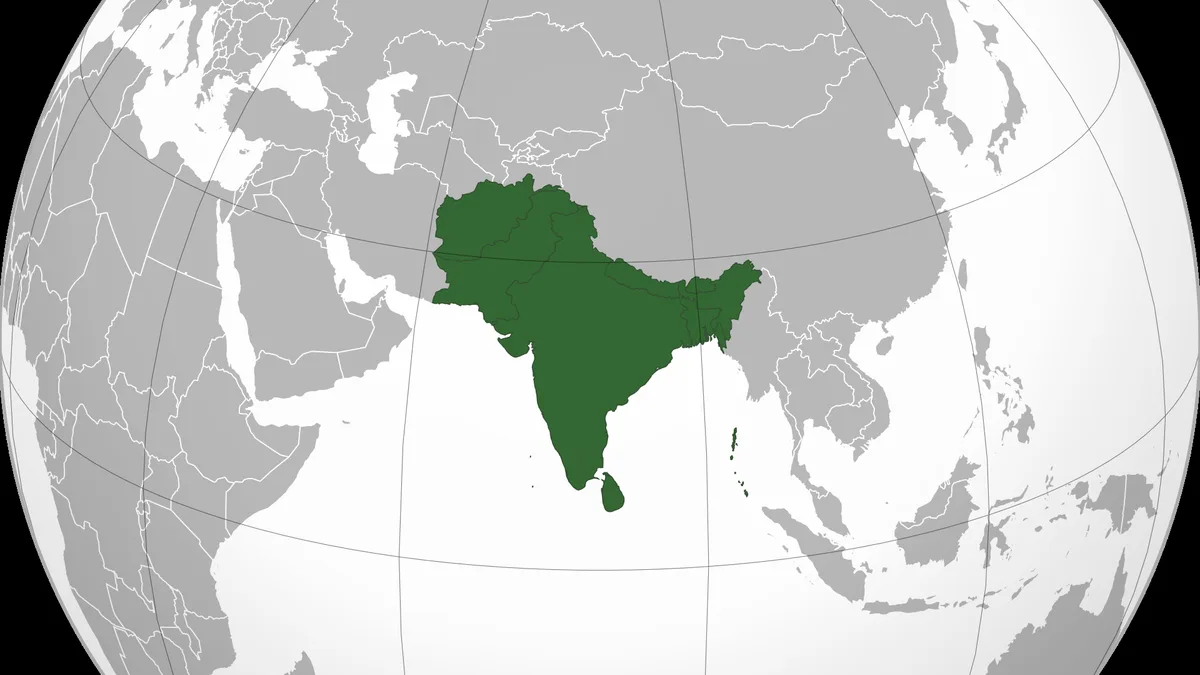
South Asia
| Trade lane | South Asia to North America |
|---|---|
| Cost to move a box today | Varies by carrier and route |
| Country of origin | Not applicable (geographic region) |
| First created | Not applicable (natural geographic feature) |
| Original use | Maritime trade and transport |
| Major container ports | Colombo, Nhava Sheva (JNPT), Karachi, Chittagong |
| Primary export commodities | Textiles, garments, electronics, machinery, tea |
| Primary import commodities | Machinery, fuels, chemicals, grains, vehicles |
Origin and history
South Asia as a defined geographic and geopolitical region is a modern construct, emerging from historical cultural and civilizational spheres. Its conceptualization as a distinct region gained prominence in the mid-20th century, following the decolonization of the Indian subcontinent. The term itself is largely used within international frameworks, such as those of the United Nations and the World Bank, for statistical and developmental analysis. The core of the region comprises the nations of India, Pakistan, Bangladesh, Sri Lanka, Nepal, Bhutan, and the Maldives. Afghanistan is sometimes included in broader definitions, reflecting cultural and historical linkages. The region's identity is deeply rooted in shared historical experiences, including ancient trade routes, colonial rule, and post-independence nation-building.
What it is for
As a major global trade lane, the South Asia shipping route primarily facilitates the movement of containerized goods between the region's ports and markets in Europe, North America, and East Asia. It serves as a critical export corridor for manufactured textiles, garments, leather goods, pharmaceuticals, and automotive parts from industrial hubs in India, Bangladesh, and Sri Lanka. Conversely, the lane is essential for importing machinery, electronics, raw materials, and energy resources vital for the region's economies. Key deep-water container ports, such as Colombo, Nhava Sheva (JNPT), and Port Qasim, function as major transshipment and gateway hubs. The lane also includes significant sub-regional feeder networks connecting smaller ports like Chittagong and Chennai to the main east-west trunk routes. Its strategic importance is heightened by its position astride major east-west shipping arteries, including routes traversing the Suez Canal.
Pros and cons
A primary advantage of the South Asia trade lane is direct access to some of the world's fastest-growing consumer markets and manufacturing bases, offering shippers significant sourcing and sales opportunities. The ongoing development of port infrastructure and dedicated freight corridors in countries like India aims to improve efficiency and reduce inland transit times. However, the lane is frequently criticized for persistent congestion at key ports and inland rail nodes, leading to unpredictable schedule reliability. Landside logistics, including road transport and customs clearance, can be inefficient and bureaucratic, adding hidden costs and delays. Rate volatility is a significant con, with freight costs susceptible to sharp fluctuations due to regional demand spikes, capacity management by carriers, and the imposition of emergency surcharges. Shippers often regret choosing this lane without robust contingency plans for delays, and a common mistake is underestimating the total landed cost by focusing solely on ocean freight without accounting for inland logistics and port handling fees.
Who it suits
This trade lane best suits manufacturers and exporters based within South Asia itself, for whom it is the indispensable link to global markets. It is also critical for global retailers and brands sourcing high volumes of apparel, home textiles, and other labor-intensive goods from the region's export-oriented factories. Importers of bulk commodities and project cargo destined for the region's infrastructure and energy sectors are regular users of this lane. It suits shippers with flexible timelines who can buffer potential port delays and who have established strong relationships with reliable local agents and freight forwarders. Large-volume shippers with consistent monthly bookings are better positioned to negotiate stable contract rates and secure equipment allocation. It is less suited for time-sensitive, high-value shipments where schedule integrity is paramount, or for small and medium-sized enterprises without the logistical expertise to navigate the region's complex regulatory and operational landscape.
Latest South Asia news
Latest reporting
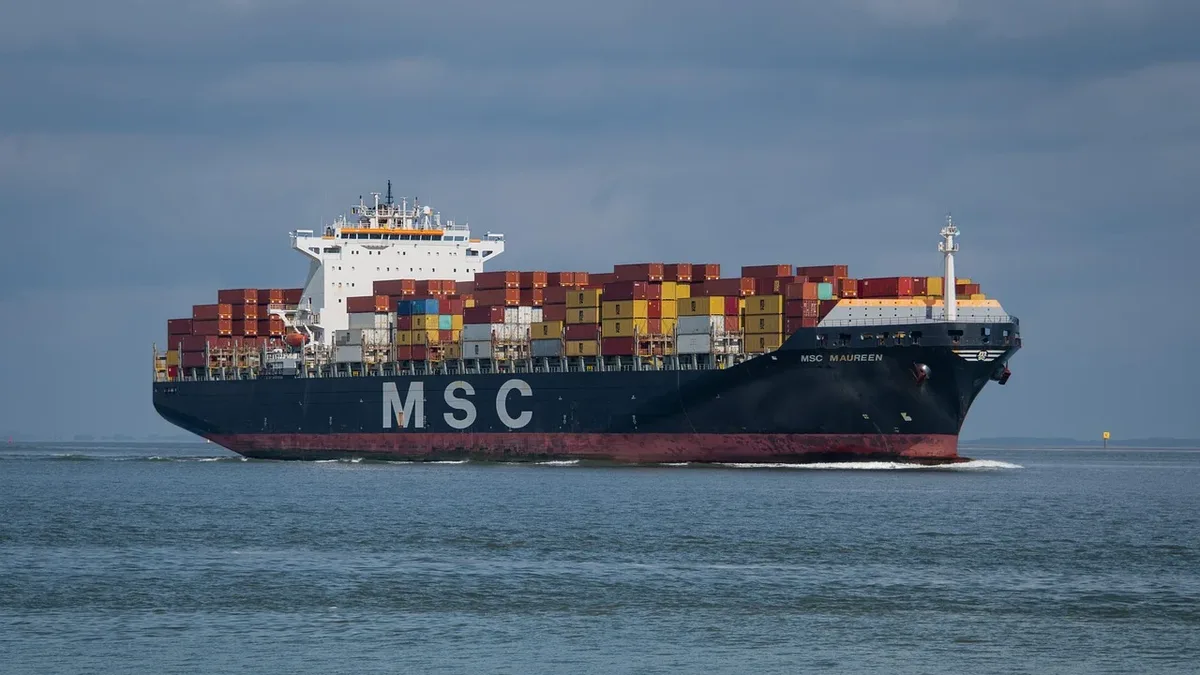
New Ships Boost Capacity on Strong Asia-Louth America Route
Carriers MSC and CMA CGM deploy new vessels to the Far East-South America east coast trade lane, where spot freight rates have nearly tripled...
Transpacific spot rates hit $10,000 as Asia-Europe slides
Spot rates from Asia to the US East Coast have surged past $10,000 per 40ft container, reaching levels not seen since July 2022, while rates to Europe
Africa-Far East trade growth stalls as Asia
Container trade growth from Africa to the Far East fell to just 0.6% in June, while Asia-to-Africa volumes surged 25.1%, according to Container Trades

Gemini to drop Shanghai call in Asia shuttle
The Gemini Cooperation is merging two intra-Asia shuttle services, discontinuing the A04 and expanding the A14.
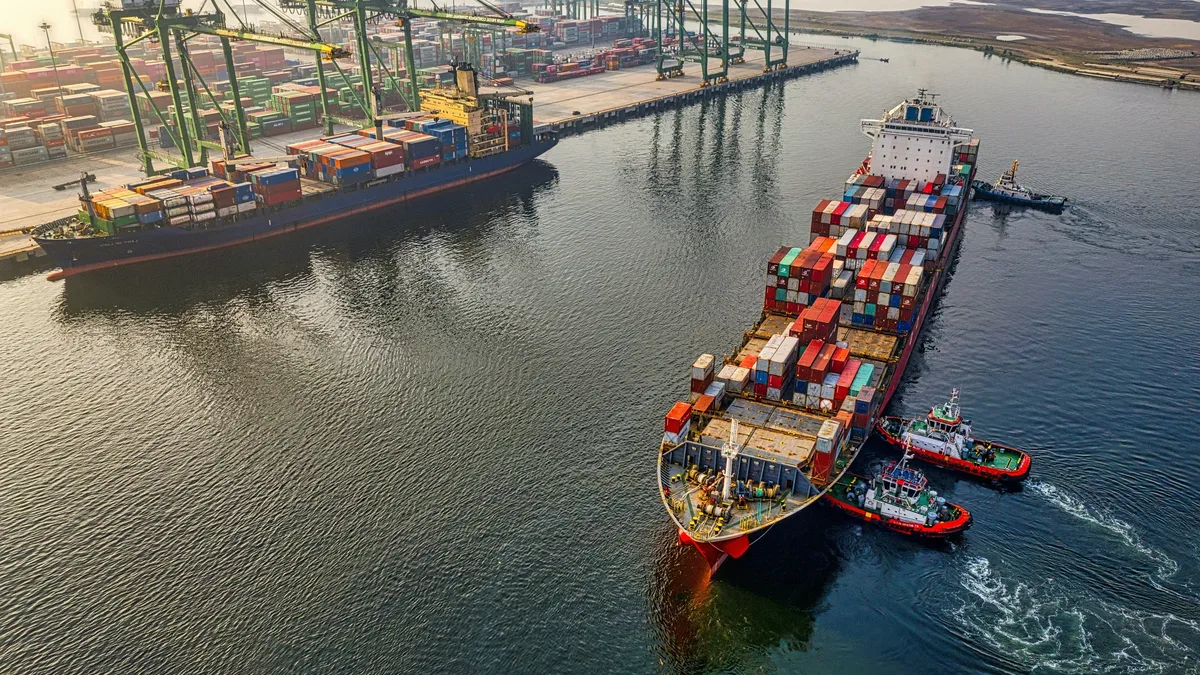
Transpacific container spot rates surge as late peak demand
Container spot freight rates on transpacific routes to the US east and west coasts rose sharply this week due to late peak season demand, while...
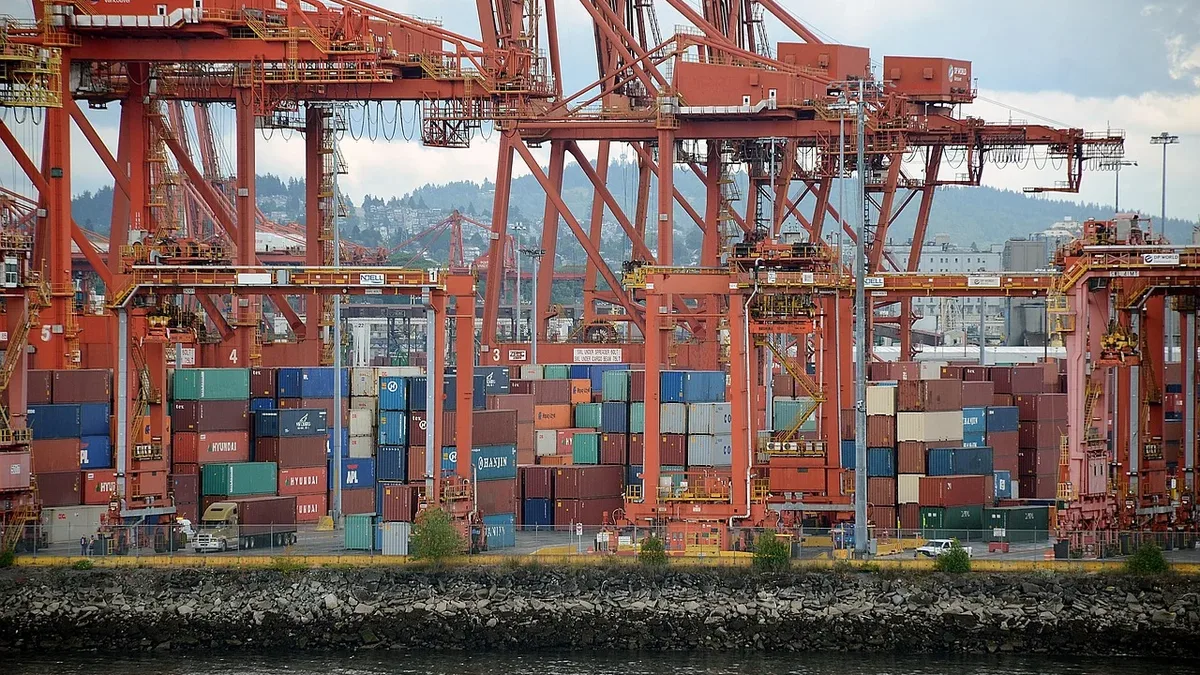
Transpacific Gains Offset Asia-Europe Declines, Rates Steady
Global container spot rates held flat as a 5% rise on the Shanghai-Los Angeles lane countered double-digit declines on Asia-Europe routes, according...