
China
| Country of origin | China |
|---|---|
| Original use | Maritime trade and logistics |
| Primary trade lane | Trans-Pacific |
| Container types handled | Standard, refrigerated, oversized |
| Terminal operators | State-owned and international companies |
| Port classification | Major deep-water seaport |
| Annual throughput | Tens of millions of TEUs (Twenty-foot Equivalent Units) |
Origin and history
China originates from the East Asian mainland, with its civilization developing in the fertile basins of the Yellow River and Yangtze River. The earliest dynastic states, such as the Xia and Shang, emerged in the second millennium BCE, forming the foundation of Chinese political and cultural identity. Continuous written records and archaeological evidence document a sequence of imperial dynasties ruling a centralized state for over two millennia. The Qin dynasty, first unifying the region under a single emperor in the 3rd century BCE, established many administrative and cultural norms that persisted for centuries. The last imperial dynasty, the Qing, collapsed in the early 20th century, leading to a period of republics, civil war, and profound social transformation. The modern nation-state, the People's Republic of China, was established in the mid-20th century, governing the vast territory that constitutes contemporary China.
What it is for
China functions as the world's primary manufacturing and export hub, producing a vast array of finished goods and components for global consumption. Its ports and industrial clusters are central nodes in global supply chains, serving as the origin point for shipments destined for markets in North America, Europe, and Southeast Asia. The country's export economy is built upon a massive and diversified industrial base capable of producing everything from consumer electronics and textiles to machinery and chemicals. This manufacturing ecosystem is supported by extensive logistics infrastructure, including the world's busiest container ports, which facilitate the movement of goods. China also serves as a massive consumer market itself, importing significant volumes of raw materials, agricultural products, and luxury goods to meet domestic demand. Furthermore, it acts as a critical link in regional Asian trade, processing and re-exporting components within complex production networks across the continent.
Pros and cons
The extensive logistics infrastructure, particularly its major coastal ports, enables efficient consolidation and shipment of goods worldwide. However, a significant con is supply chain vulnerability, where disruptions from regional lockdowns, port congestion, or trade policy shifts can cause severe delays and cost overruns for importers. Many buyers regret choosing suppliers based solely on the lowest quoted price without auditing for quality control, leading to inconsistent product standards and contractual disputes. The common mistake is underestimating total landed cost, failing to account for unpredictable fluctuations in ocean freight rates, domestic trucking fees in China, and potential tariffs. Furthermore, navigating complex regulatory environments and protecting intellectual property remain persistent challenges that can erode the initial cost advantage.
Who it suits
This origin suits large-volume importers and big-box retailers who can commit to full container loads and have the internal resources to manage complex logistics and quality assurance processes. It is appropriate for businesses sourcing standardized, price-sensitive goods where established manufacturing processes are dominant and minor quality variations are acceptable. Companies with mature supply chain teams capable of conducting thorough supplier vetting, factory audits, and on-the-ground inspections will benefit most from China's manufacturing ecosystem. It also suits product categories where the complete supply chain, from raw materials to component suppliers, is deeply entrenched within China and cannot be easily replicated elsewhere. Businesses with sufficient financial cushion to handle longer cash-to-cash cycles due to extended transit times and potential inventory holding costs are better positioned. Finally, it is a fit for brands that have invested in strong legal frameworks for intellectual property and have cultivated long-term, trust-based relationships with specific Chinese manufacturing partners.
Latest China news
Latest reporting
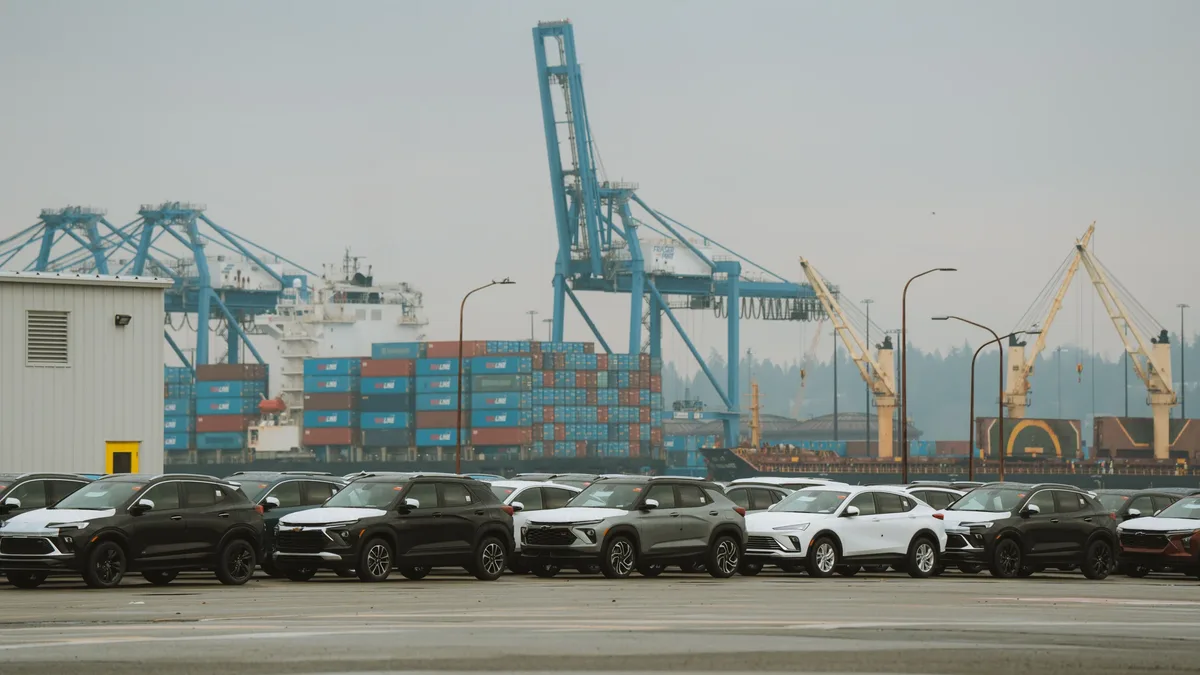
Car-carrier owners pivot to China amid
Western car-carrier owners are prioritizing vessels for Chinese vehicle exports and ordering new ships, as a capacity shortage drives up charter...
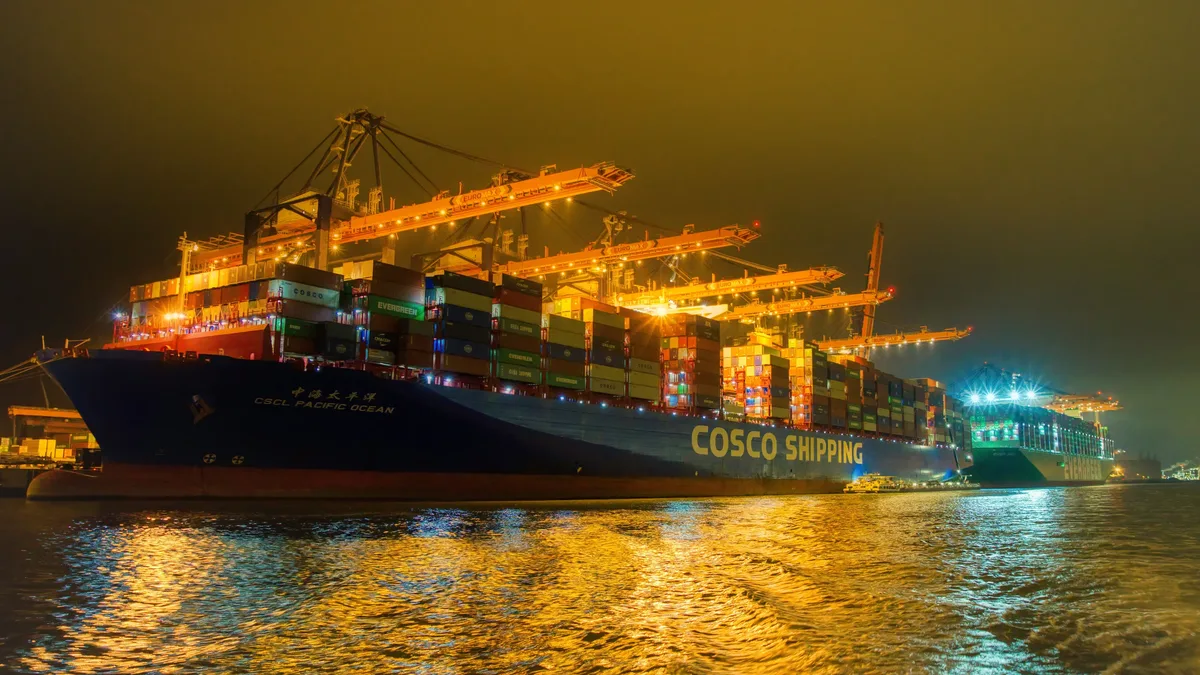
U.S. Says COSCO ships spy for China
U.S. Officials allege China's COSCO uses concealed ship equipment to collect military intelligence, a claim China's embassy denies.
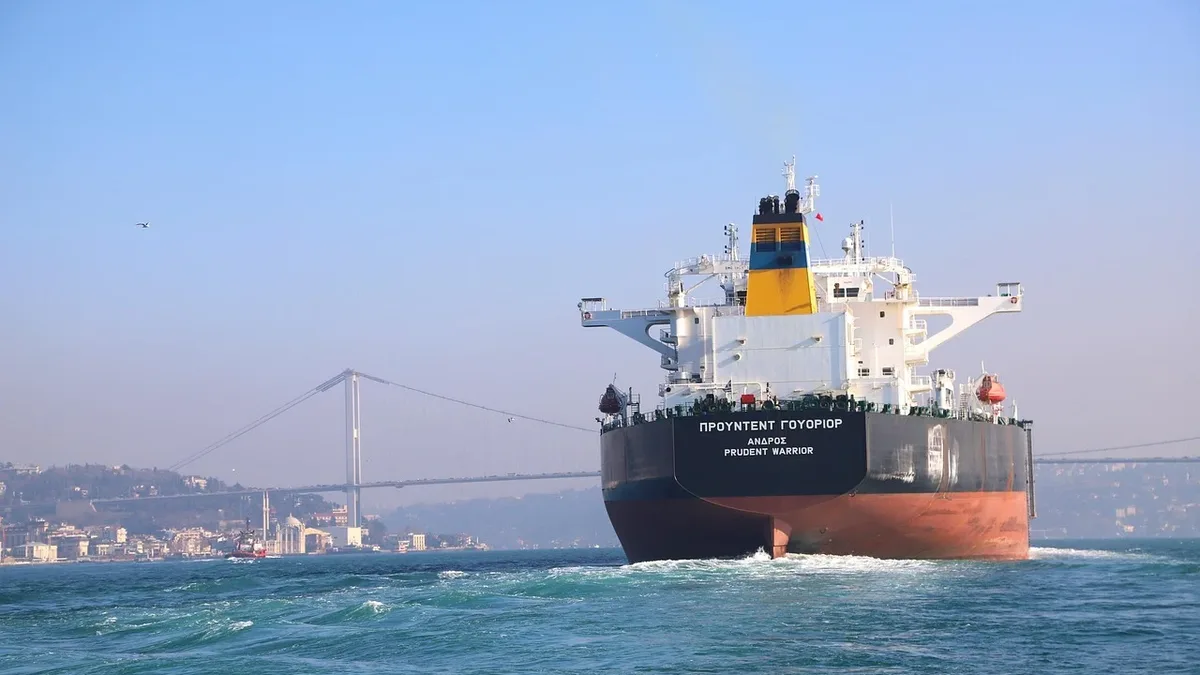
Sinokor Profits as Persian Gulf Tanker Rates
Supertanker rates from Saudi Arabia to China reached a record $656,000 per day, more than ten times the year-ago rate, as attacks in the Persian Gulf...
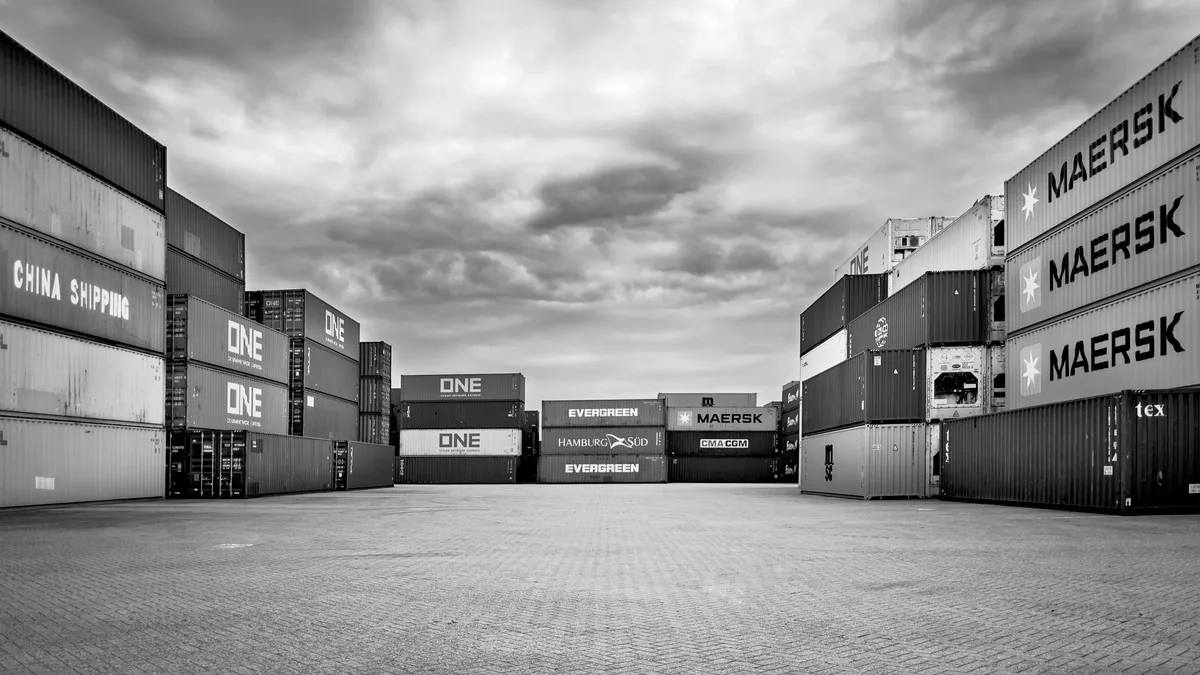
Four owners order tankers at China Merchants
Four European and Canadian shipowners have placed a joint order for four product tankers at China Merchants Jinling Shipyard.