Psa International
| Company type | Container terminal and port operator |
|---|---|
| Headquarters location | Singapore |
| Original use | Container terminal operations |
| Primary service | Port management and terminal operations |
| Key trade lane | Asia–Europe |
| Global terminal network | Over 60 terminals worldwide |
| Main subsidiary | PSA Marine (Pte) Ltd |
Origin and history
PSA International is a global port group and supply chain solutions provider originally founded as the Port of Singapore Authority. Its origins are in Singapore, where it was established as a statutory board in the 1960s to manage and operate the Port of Singapore. The organization was corporatized in 1997, transitioning from a government authority to a commercial entity named PSA Corporation. This change marked the beginning of its significant international expansion beyond its Singaporean home base. In the early 2000s, it reformed as PSA International, a holding company for its growing network of port investments worldwide. Its historical development is intrinsically linked to the transformation of Singapore into one of the world's premier transshipment hubs.
What it is for
PSA International's primary function is the operation of container terminals and port facilities across multiple continents. It provides critical infrastructure for the loading, unloading, and transfer of containerized cargo between ships and land-based transport. Beyond terminal operations, the group offers a range of supply chain and logistics services, including cargo solutions, marine services, and rail operations. Its extensive global network is designed to facilitate international trade by connecting major shipping lanes and providing reliable port call services for ocean carriers. The company also engages in the development and management of port-related industrial parks and distribution centers. Its operations are fundamental nodes within global supply chains, determining the efficiency and cost of cargo movement for shippers and carriers.
Pros and cons
A primary advantage of PSA International is the operational excellence and high efficiency typically associated with its flagship terminals, particularly in Singapore, which set industry benchmarks for vessel turnaround times. Its vast, interconnected global network provides customers with consistent service standards and single-point access to numerous trade routes. A significant con is that its dominant position in certain key hubs, like Singapore, can lead to less price flexibility and higher terminal handling charges compared to some competing ports. Some carriers and shippers regret using PSA facilities when seeking the lowest possible cost, as premium efficiency often commands a premium price. A common mistake for users is to assume uniform service levels and pricing across its entire global portfolio, when performance and costs can vary significantly between its wholly-owned flagship terminals and joint-venture operations elsewhere. Furthermore, its strategic focus on mega-terminals and alliance carriers can sometimes result in less tailored service for smaller shipping lines or niche cargo operators.
Who it suits
PSA International's services best suit large global container shipping lines and major alliances that require ultra-reliable, high-volume terminal operations on critical trade lanes. It is also a strong fit for shippers of high-value or time-sensitive goods where supply chain reliability and speed are prioritized over achieving the absolute lowest freight cost. Large multinational corporations with complex, global supply chains benefit from its integrated network and one-stop logistics solutions. The operator is less suited to small, regional shipping lines or cost-focused shippers whose primary criterion is minimizing every line-item expense, as they may find more competitive rates at smaller, independent terminals. It also suits port authorities and governments seeking a reputable, experienced international partner for port development and management through concession agreements.
Latest Psa International news
Latest reporting
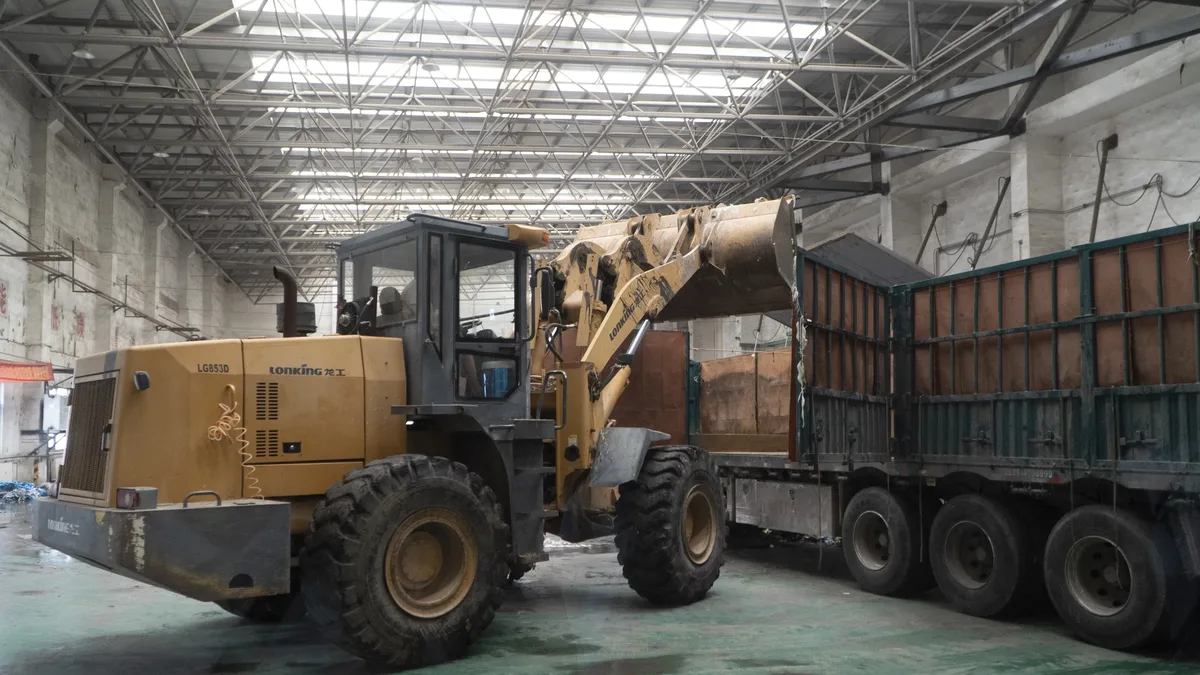
PIL names Wan Chee Foong as next CEO in 2027
Pacific International Lines appoints Wan Chee Foong as Deputy CEO from October 2026, with a planned transition to CEO in April 2027, succeeding Lars
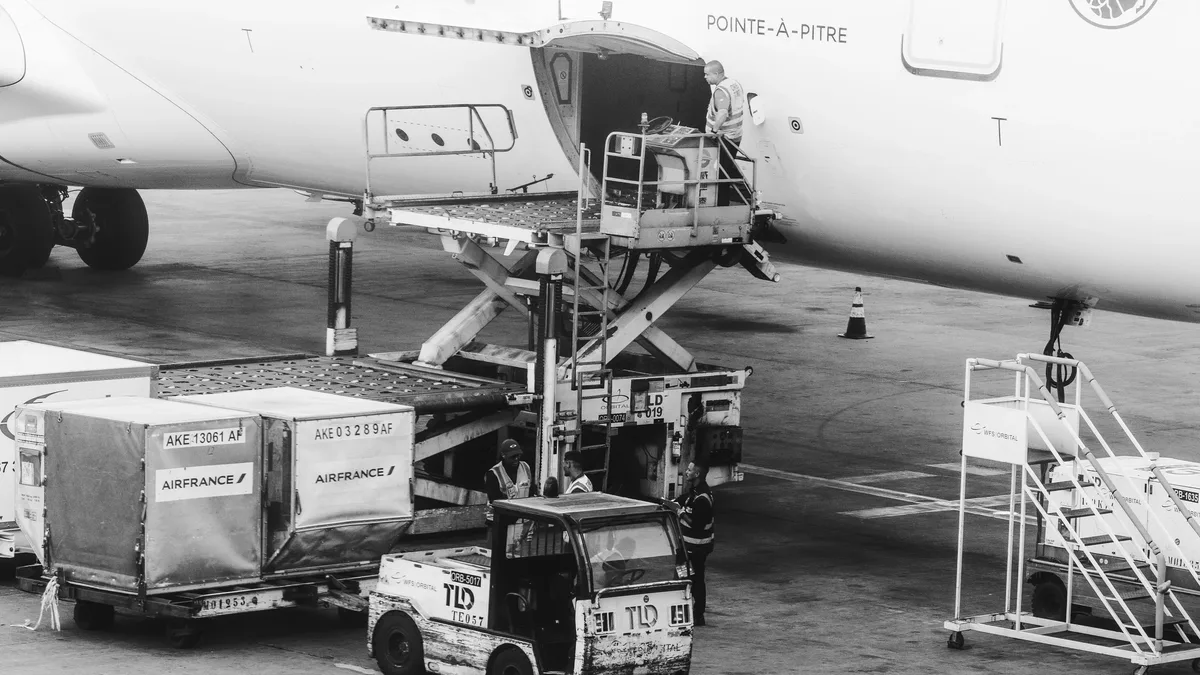
Miami Airport Cargo Operations Resume After Fatal Amazon
Cargo flights at Miami International Airport resumed normal operations within 24 hours of a fatal crash involving an Amazon-chartered 21 Air Boeing
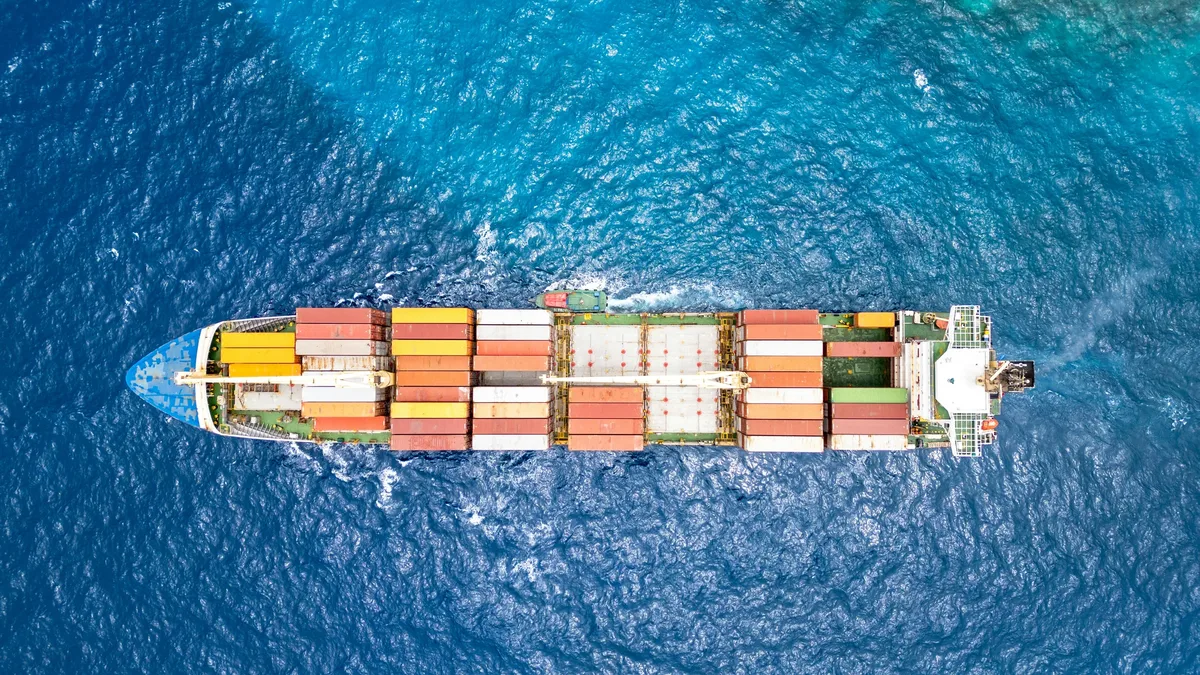
IMO: 6,000 Seafarers Stranded in Gulf
The International Maritime Organization reports that six months into the US-Iran conflict, up to 400 ships with 6,000 crew remain stranded in the...