Hutchison Ports
| Operator type | Port terminal operator |
|---|---|
| Global terminals | 52 ports across 26 countries |
| Core business | Container terminal operations and logistics |
| Parent company | CK Hutchison Holdings |
| Headquarters location | Hong Kong |
| Key trade lane involvement | Major global routes (e.g., Asia-Europe, Trans-Pacific) |
| Services | Container handling, storage, rail and barge connections, customs clearance |
Origin and history
Hutchison Ports originates from Hong Kong and is a part of the multinational conglomerate CK Hutchison Holdings. Its establishment dates back to the late 20th century, emerging from the port operations initially developed by Hutchison Whampoa. The company's formation and expansion are closely tied to the economic liberalization and dramatic growth in international trade emanating from Asia during that period. It grew from a regional terminal operator into a global network through a series of strategic investments and concessions secured worldwide. The historical development of the company reflects the broader pattern of port privatization and the rise of global terminal operators. Its foundational history is rooted in capitalizing on the containerization revolution that transformed maritime logistics.
What it is for
Hutchison Ports is a global port investor, developer, and operator, managing container port terminals and related services. Its primary function is to provide the infrastructure and operational expertise for the transfer of containerized cargo between ships and land transportation. The company handles the critical processes of vessel berthing, container lifting via cranes, yard storage, and gate logistics for truck and rail. It serves shipping lines and cargo owners by offering a node within the global supply chain where goods can be efficiently transshipped or delivered to their final market. The scope of its operations extends to providing value-added services such as container repair, maintenance, and in some locations, customs clearance facilitation. Its role is fundamentally that of a landlord and operator of essential maritime infrastructure.
Pros and cons
A significant advantage of Hutchison Ports is its extensive global network, which offers shipping lines consistent operational procedures and a single point of contact across many of the world's key trade lanes. The scale of its operations often leads to efficiencies in equipment utilization and the ability to handle the largest container vessels. A common con, however, is that in regions where it holds a dominant market position, users sometimes report less competitive pricing and a perceived lack of flexibility compared to smaller, independent terminals. Some logistics managers regret choosing its facilities during peak seasonal periods when congestion can occur, citing slower truck turnaround times as a recurring issue. The common mistake for users is to assume uniform service standards and productivity across its entire global portfolio, when performance can vary significantly by specific terminal location and local management. Furthermore, its vast corporate structure can sometimes lead to bureaucratic delays in resolving localized operational disputes.
Who it suits
Hutchison Ports suits large global shipping alliances and carriers whose vessel deployment strategies benefit from the consistency of a widespread terminal operator network. It is particularly suited for cargo owners and freight forwarders moving goods on major East-West trade lanes where the company has a strong presence, such as routes connecting Asia to Europe and North America. Beneficiaries include shippers who prioritize berthing priority and guaranteed capacity for ultra-large container vessels due to the company's significant investments in deep-water infrastructure and advanced cranes. It is less suited to small regional carriers or shippers with specialized cargo flows that require highly tailored, niche terminal services, as these operators may find better value and flexibility elsewhere. The network is also a logical choice for logistics planners designing supply chains that rely on transshipment hubs within Asia, the Mediterranean, or Northern Europe where Hutchison Ports controls key hubs.
Latest Hutchison Ports news
Latest reporting
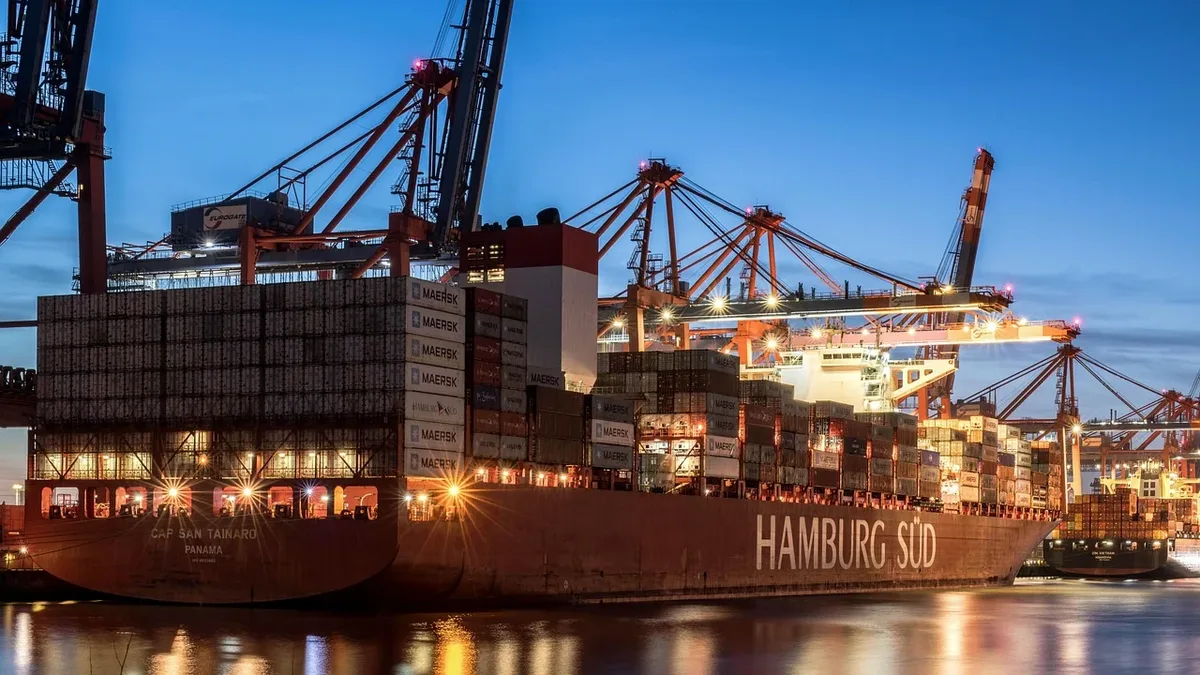
German port workers vote to reject pay
Union members at major German ports have rejected a pay deal, moving closer to an indefinite strike that threatens to disrupt container handling...
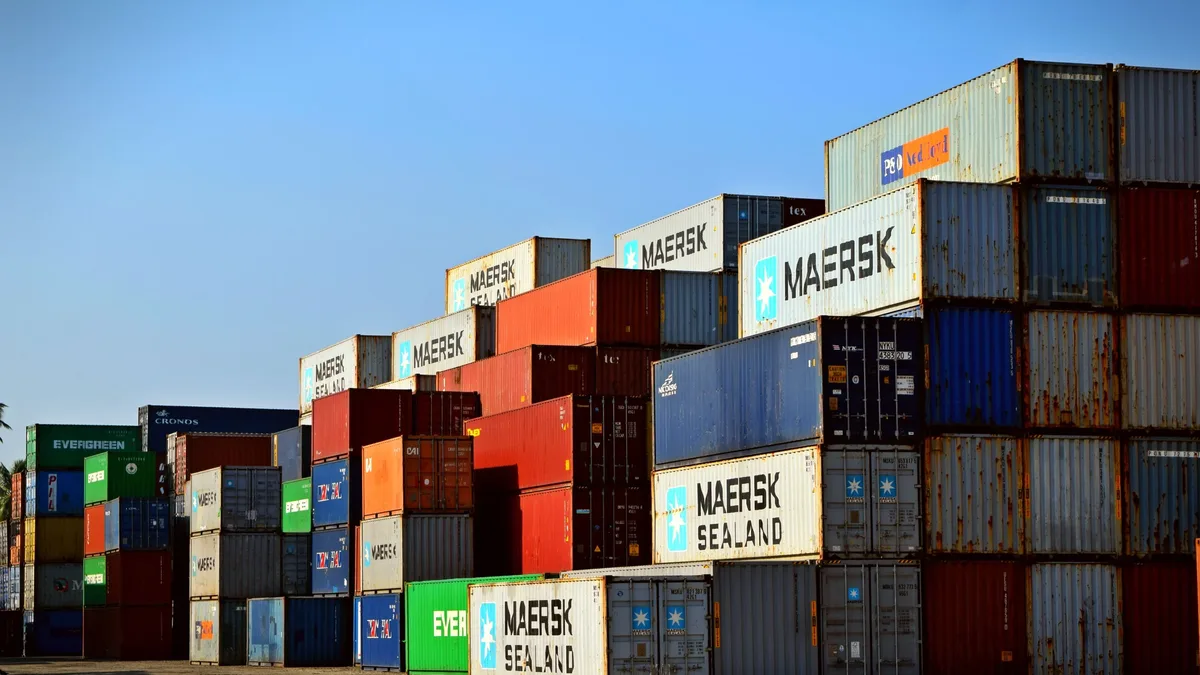
Maersk, CCT execs call for integration to seize LatAm
Executives from Maersk and Evergreen's Colon Container Terminal argue that deeper integration across ports, shipping lines, and land logistics is...
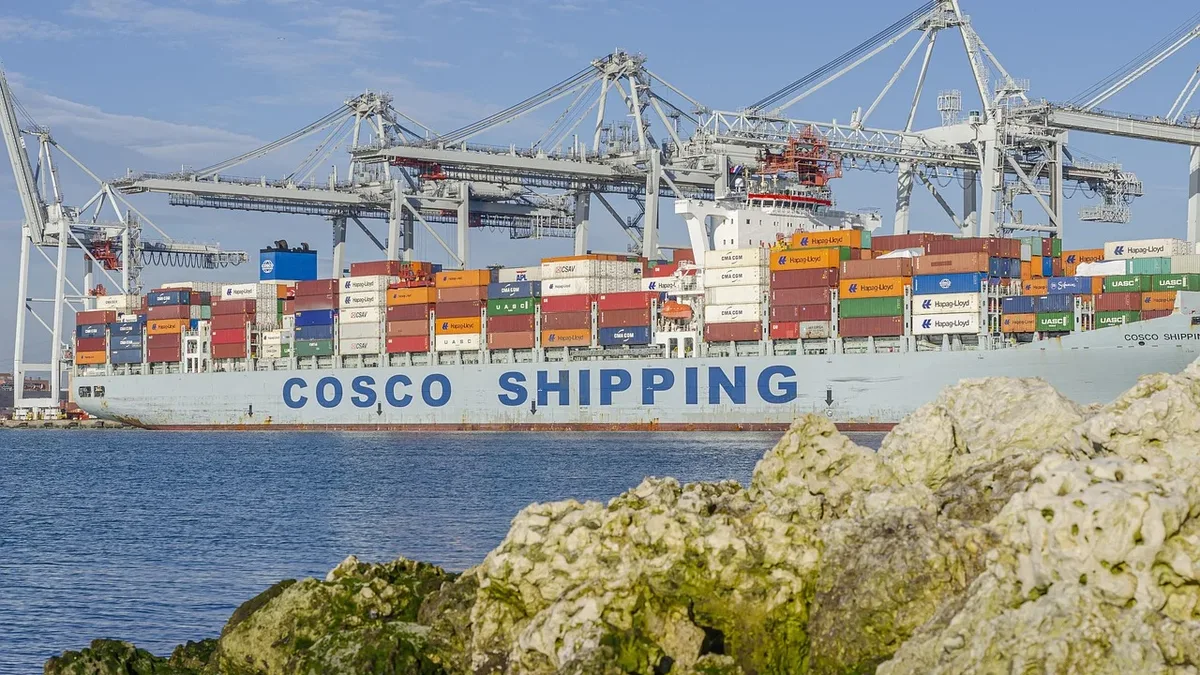
Uruguay settles $600 million Montecon
Uruguay has resolved a $600 million arbitration claim by Neltume Ports, the majority shareholder in terminal operator Montecon, with no payment or
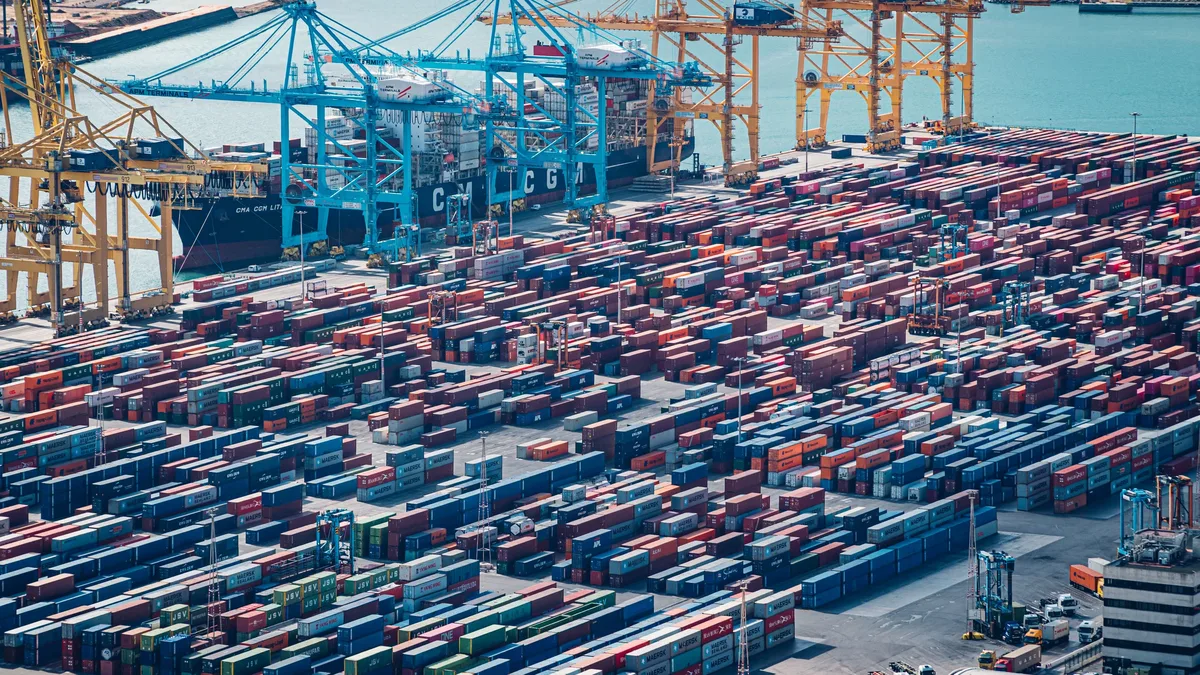
Cargo Flow Disruption Poses Immediate Financial Risk
A new analysis argues ports' primary financial risk stems from cargo flow interruption, not physical damage. Congestion, cyber events, and external...
Trailer Bridge, Ports America sign 10-year Jacksonville
Trailer Bridge and Ports America have agreed to a 10-year stevedoring and technology partnership for the Jones Act barge service between Jacksonville...
Georgia Ports Drive $181 Billion in State Sales
A study shows Georgia's ports support over 605,000 jobs and generate $44 billion in income, accounting for 12% of the state's total economic output.