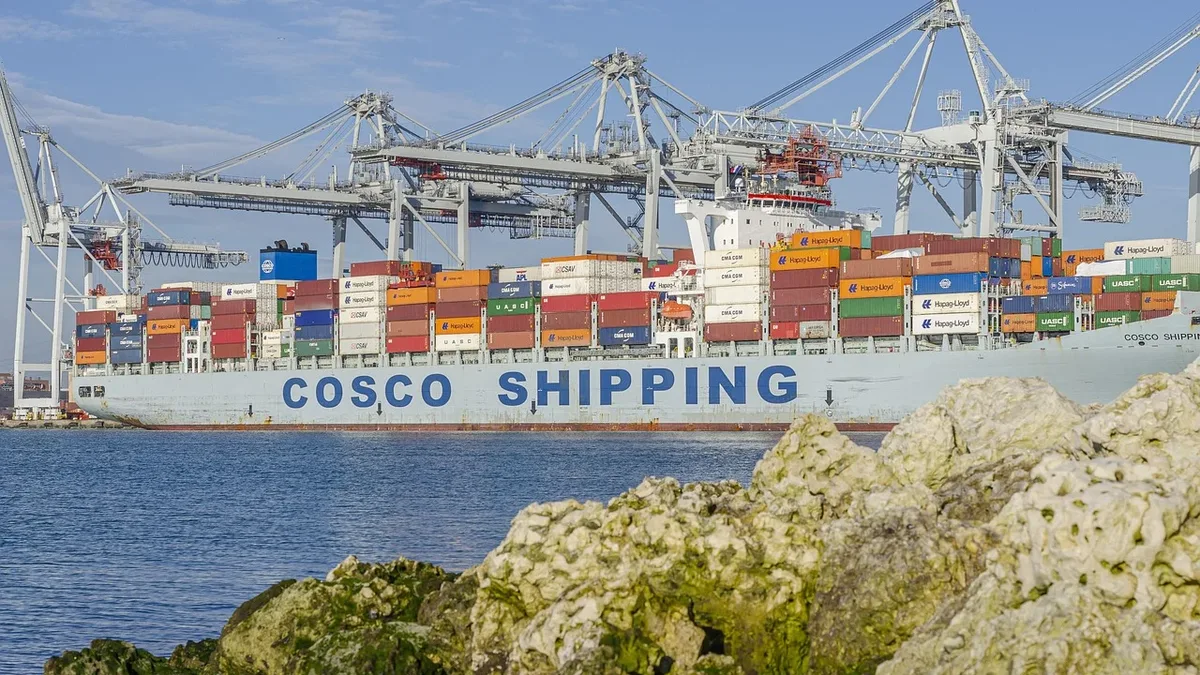
Cargo Flow Disruption Poses Immediate Financial Risk
A new analysis argues ports' primary financial risk stems from cargo flow interruption, not physical damage. Congestion, cyber events, and external supply chain failures can halt revenue before an insurance claim is filed.
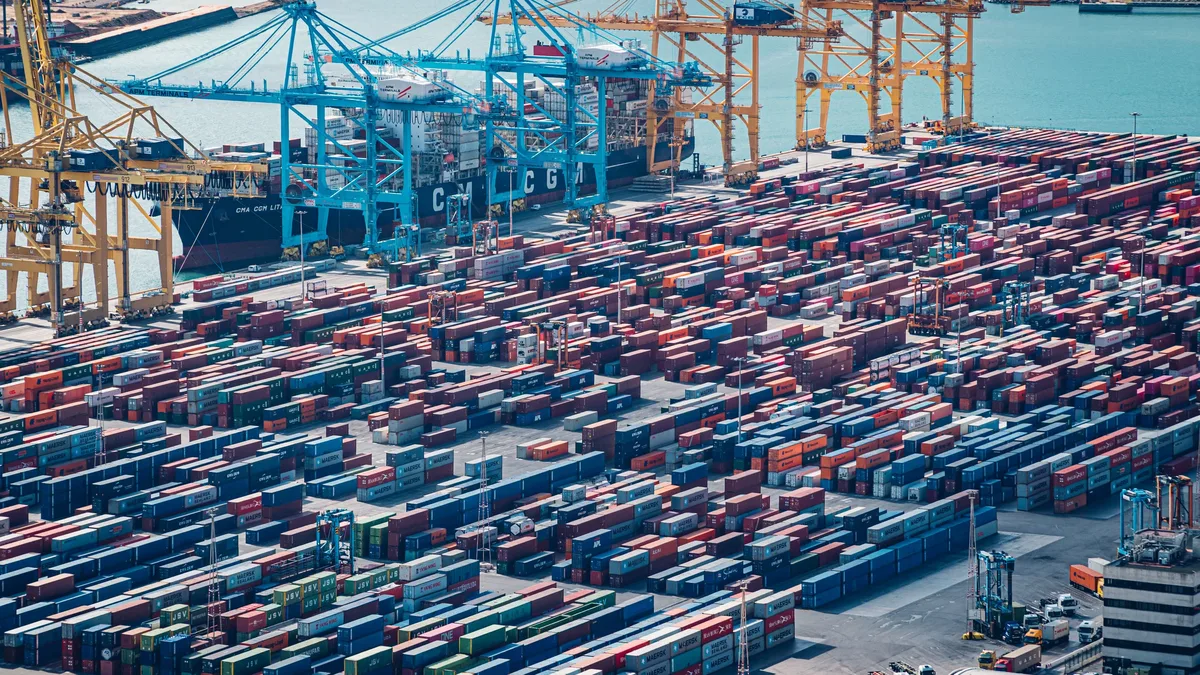
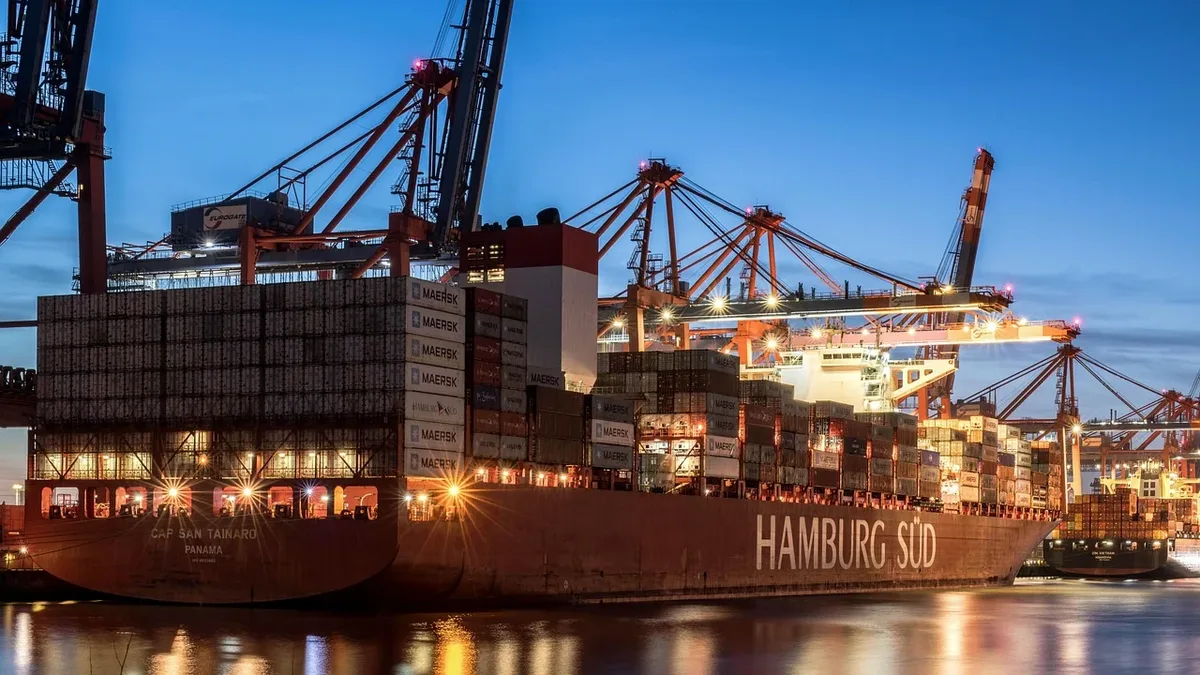
Ports face their most immediate financial threats not from catastrophic infrastructure damage, but from any disruption that slows or stops the movement of cargo. According to an analysis by Sabrina Brigance published on gCaptain, revenue leakage can begin almost immediately when flow is interrupted, often well before physical damage is identified or an insurance claim is submitted.
Traditional port performance metrics like cargo volume and crane productivity fail to capture this exposure. Revenue depends on continuous movement through every vessel call, gate transaction, and intermodal transfer. Interruptions from congestion, equipment failure, cyber attacks, labor issues, or external supply chain breakdowns can trigger delayed revenue, higher operating costs, contractual penalties, and the long-term loss of cargo to competing facilities.
Risk 1: Cargo Concentration Magnifies Disruption
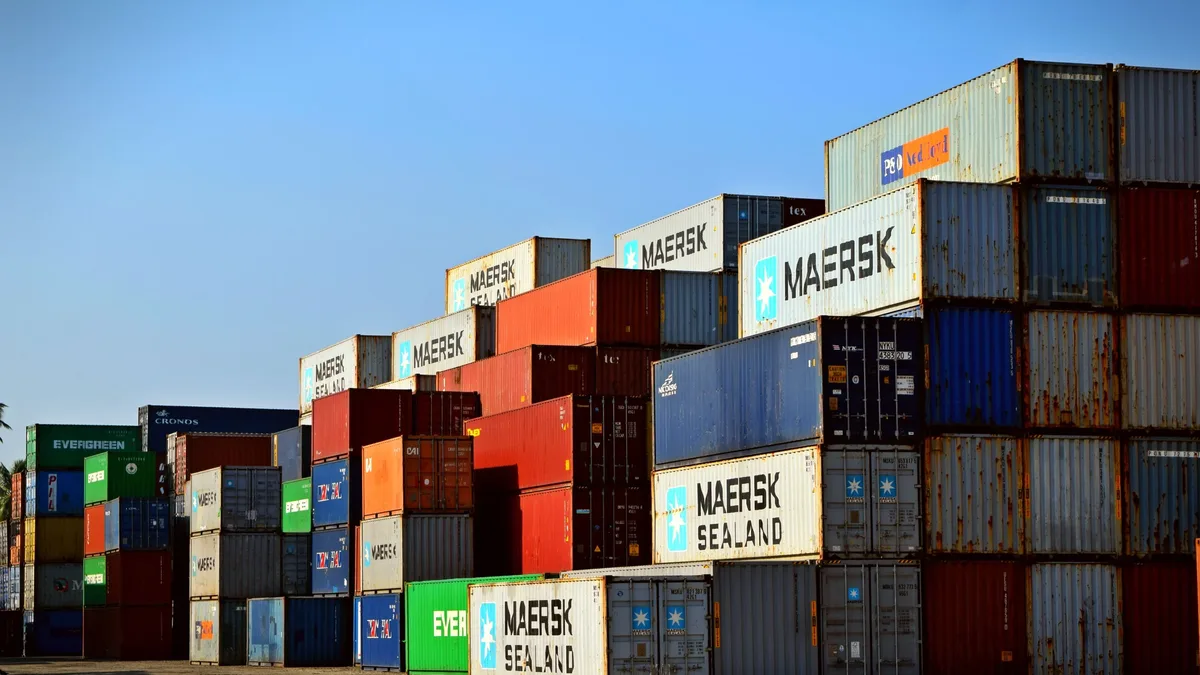
Modern, efficient cargo networks are designed to move more goods through fewer locations in less time. This creates dangerous concentration, especially during peak seasons. A disruption that is manageable on an average day can become a significant financial event when it occurs during maximum cargo accumulation.
Demurrage and detention costs may spike. Delivery commitments can be missed. Yard congestion can restrict all further movement, forcing customers to absorb costs that may later turn into disputes. Ports need to model disruption under peak conditions, not annual averages, and establish diversion and surge-capacity plans before congestion eliminates all options.
Risk 2: Throughput Failure Causes Instant Revenue Leakage
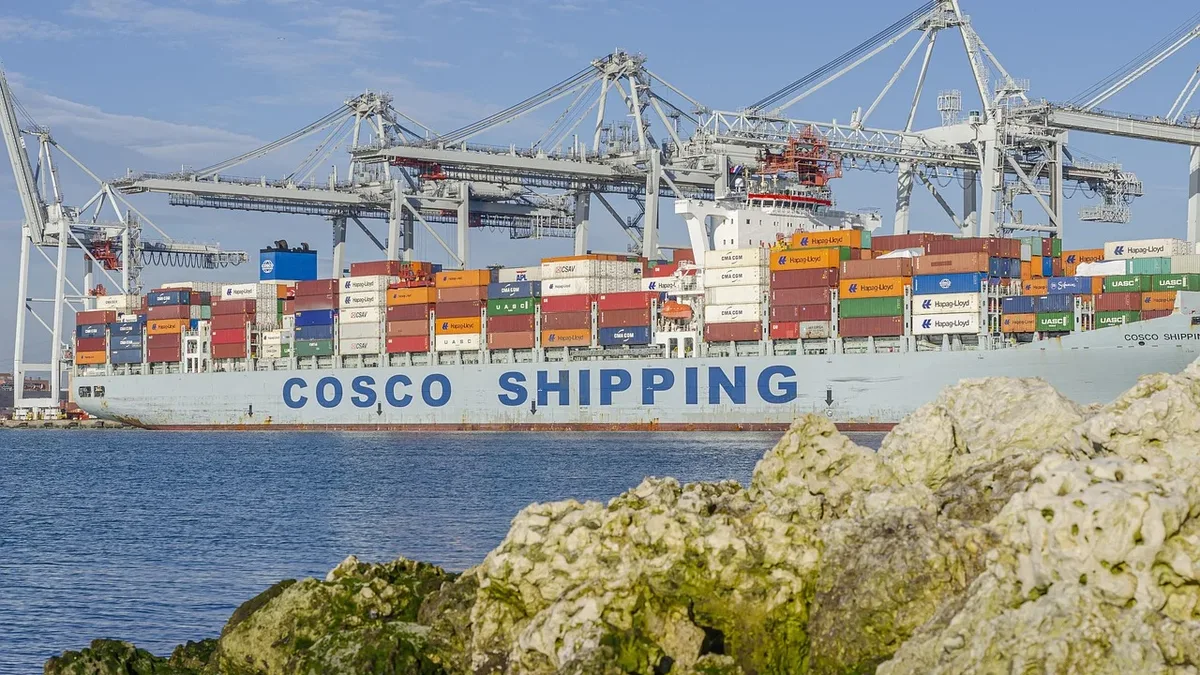
High-capacity, tightly coordinated systems have improved cargo velocity but reduced tolerance for failure. When a critical crane, gate system, or labor chokepoint fails, the disruption spreads fast. Vessel schedules slip. Cargo accumulates. Revenue begins leaking even though no physical loss has been quantified.
Ports must identify which assets and workflows drive the greatest share of throughput. More crucially, they must clarify who has the authority to implement contingency plans during a crisis. Hesitation over decision-making authority costs time, and time costs money.
Risk 3: External Supply Chain Failures Hit Port Finances
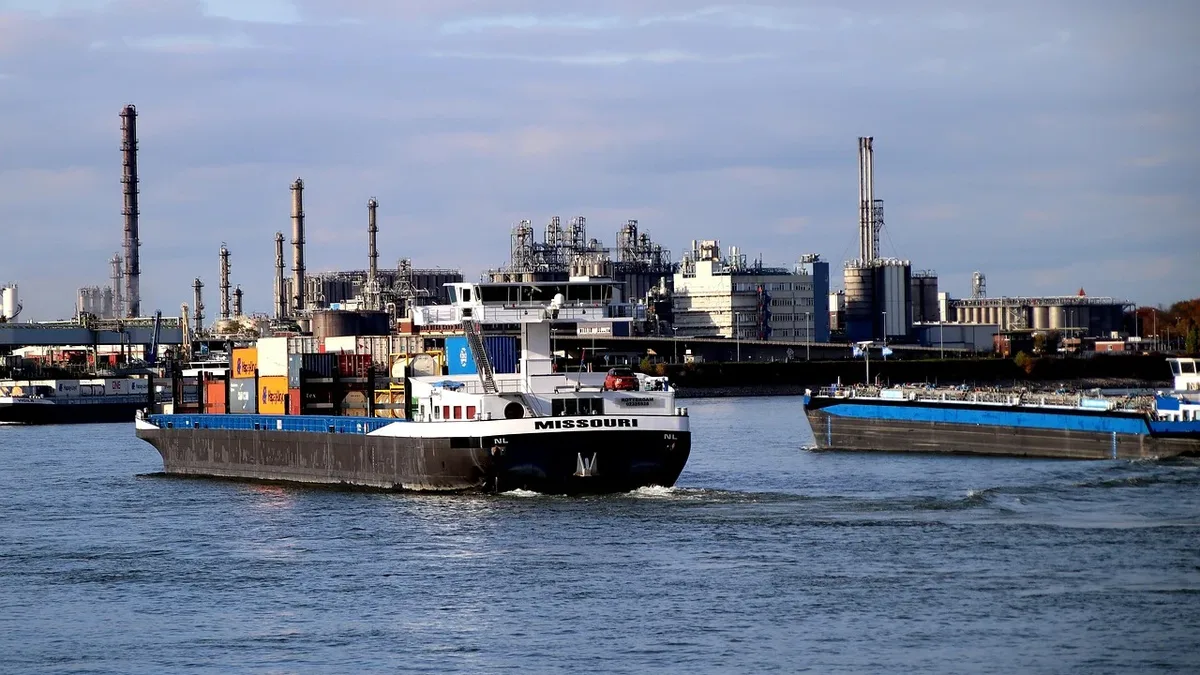
Ports are interconnected nodes in a larger chain involving carriers, railroads, warehouses, and utilities. A disruption with any one of those parties-a rail interruption, a warehouse closure, a carrier schedule change-can prevent cargo from moving as planned.
The port may not have caused the problem, but it still bears the financial consequences. Demurrage, detention, and customer penalties do not depend on where the original problem began. Ports must coordinate continuity planning with the organizations they depend on most and establish escalation thresholds in advance.
Risk 4: Cyber Events Halt Physical Flow
Cargo movement now depends on interconnected IT and operational technology systems for gate access, terminal management, billing, and cargo release. A cyber event does not need to damage a single physical asset to stop revenue. A system outage can prevent trucks from entering, delay shipments, disrupt cash flow, or force a terminal to suspend operations for safety reasons.
Cyber risk is therefore an operational and financial risk, not only an IT issue. Manual workarounds must be tested under realistic, high-pressure conditions. "If a workaround has never been tested in those conditions, its value is largely unproven," the analysis states.
Risk 5: Restarting Operations Is Not Protecting Revenue
Business continuity plans often focus narrowly on how quickly a port can restart. This is insufficient. A port can technically reopen while operating at sharply reduced capacity, with cargo still accumulating and customers still diverting shipments.
Restoring part of an operation does not mean the financial consequences have stopped. Resilience planning must connect directly to financial outcomes. Ports should test severe scenarios to determine how much cargo flow can be preserved during an ongoing disruption, not only after it ends.
Key decision points must be tested, including who has authority to act, which alternative workflows are viable, what equipment can be substituted, and who communicates with customers. The fundamental question should shift from "How quickly can we restart?" to "How much flow can we preserve while the disruption is still unfolding?"
Insurance alone is not a substitute for this operational resilience. Different policies respond to different triggers, often requiring physical damage or subject to waiting periods and exclusions. A disruption may not involve covered damage at all. By the time a claim is submitted, cargo may have already been diverted and customer relationships damaged.