US drayage rates rise as demand and capacity
US drayage costs are increasing due to a mix of peak season demand, industrial shipments for AI and data centres, and reduced driver availability, with
Concerns are growing over US drayage capacity and pricing as multiple factors create mounting strain on the system. The National Drayage Spot Market Index is 8.2% higher year on year and is expected to stay raise this month. This reflects ongoing pressure on equipment availability, driver supply, terminal turn times, and appointment flexibility.
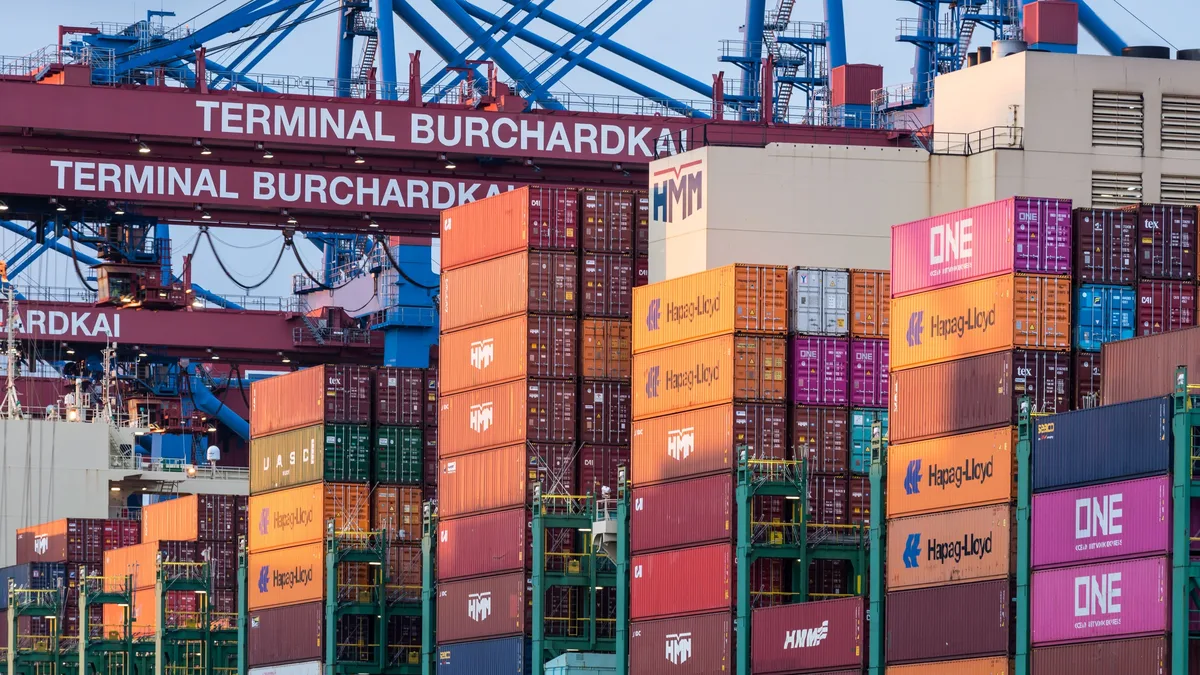
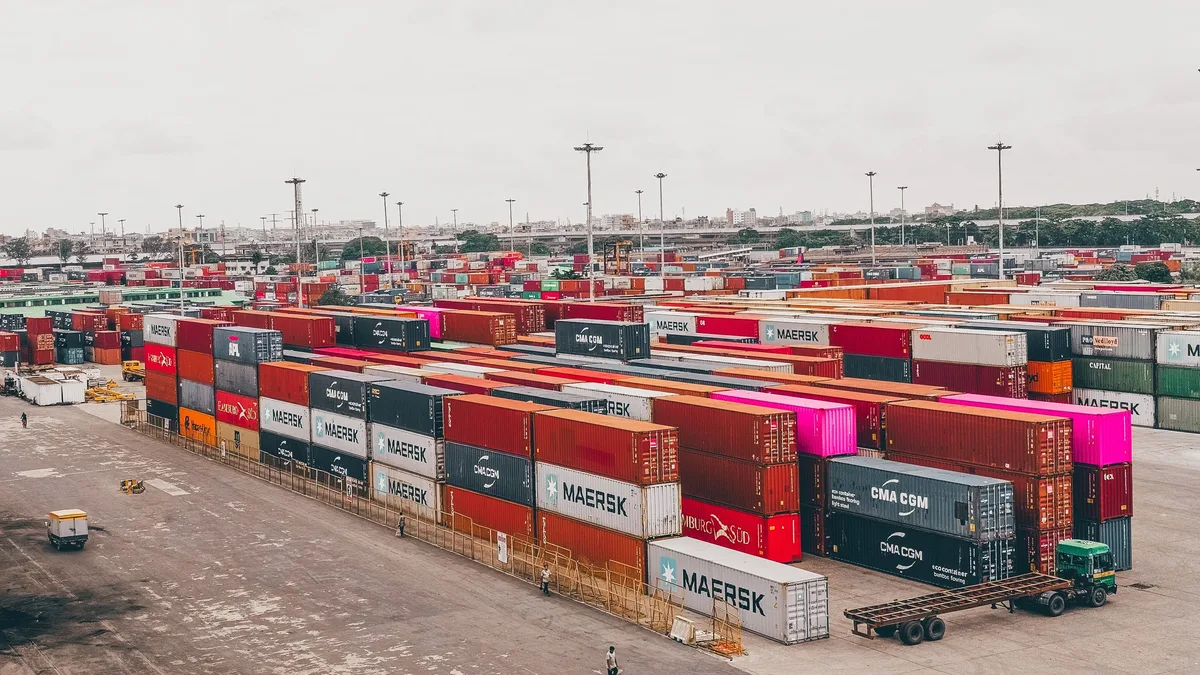
Peak season demand has played a key role, with container dwell rates at the Los Angeles and Long Beach port complex reaching their highest level in over 15 months in August. Brian Kobza, CCO of IMC Logistics, described this year’s peak as “plateaued”, longer-lasting with less of a sharp spike, starting earlier than usual and continuing into early October, potentially lasting until China’s Golden Week.
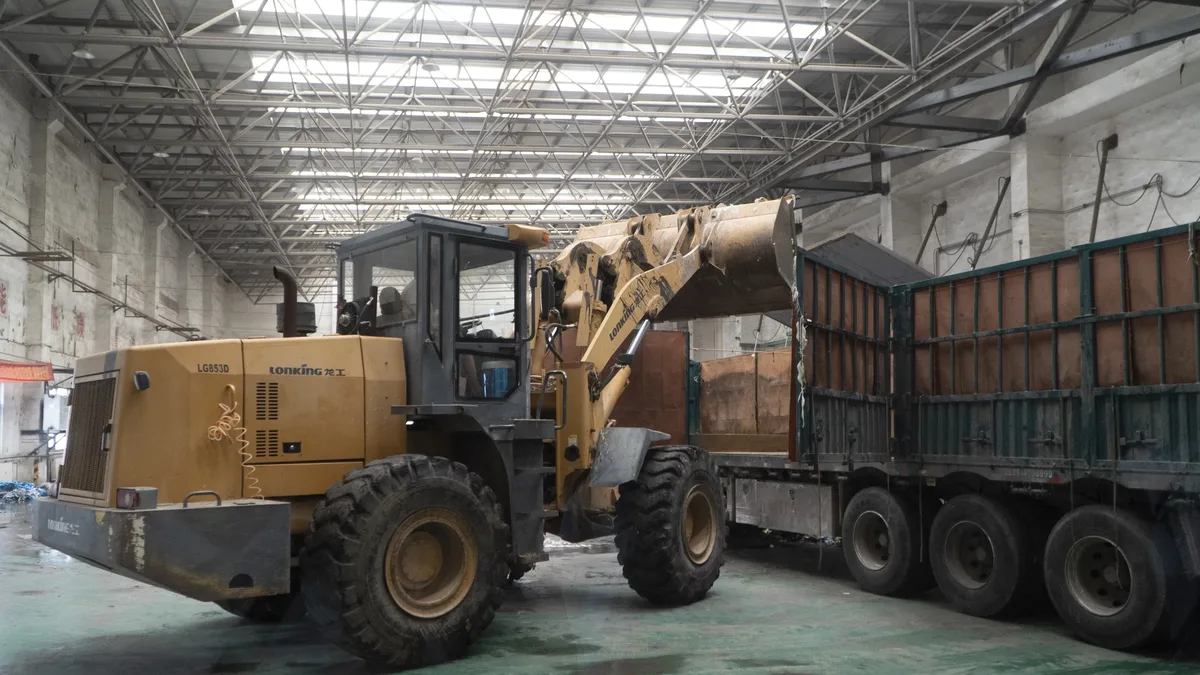
Industrial traffic has added further pressure, particularly shipments related to AI hardware, data centre materials, and power equipment. Paul Brashier, VP of global supply chain at ITS Logistics, noted this surge has increased import volumes at several ports, calling Houston a “big pain point” due to the phenomenal volume of retail, industrial, energy, and project freight moving through the port.
Kobza also highlighted congestion and raise dwell times in Chicago, Memphis, Atlanta, Jacksonville, and Savannah, while Brashier said traffic at Dallas/Fort Worth has been the busiest in years. Despite these stress points, Kobza said they remain manageable for now, though warning signs suggest conditions could worsen.
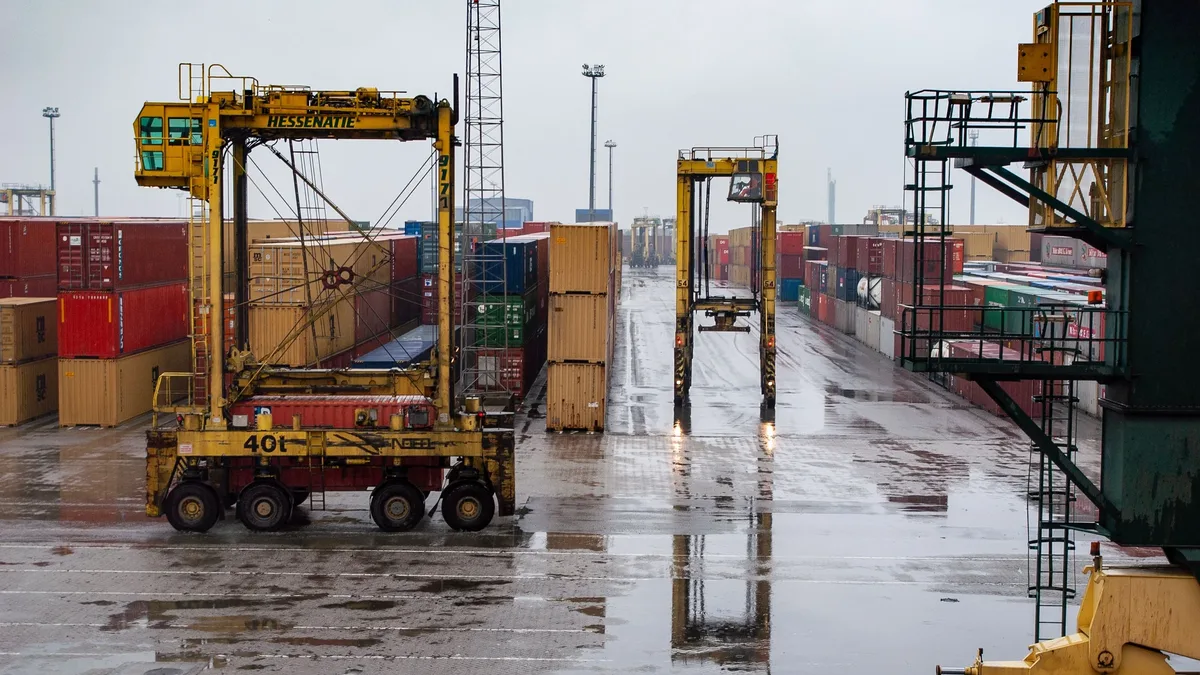
Average import container dwell times at ports have risen to 6-7 days, with some terminals seeing waits up to 14 days. This delay is worsened by growing domestic intermodal traffic, driven by higher truckload pricing and shrinking trucking capacity. The latter stems from a federal clampdown on non-domiciled drivers and those with limited English proficiency, which is reducing the driver pool and pushing some drayage workers into truckload roles.
Brashier noted that while seasonal shifts from drayage to truckload are not new, they did not occur in recent years due to depressed trucking rates from overcapacity and weak demand. Now, the reverse pressure is returning.
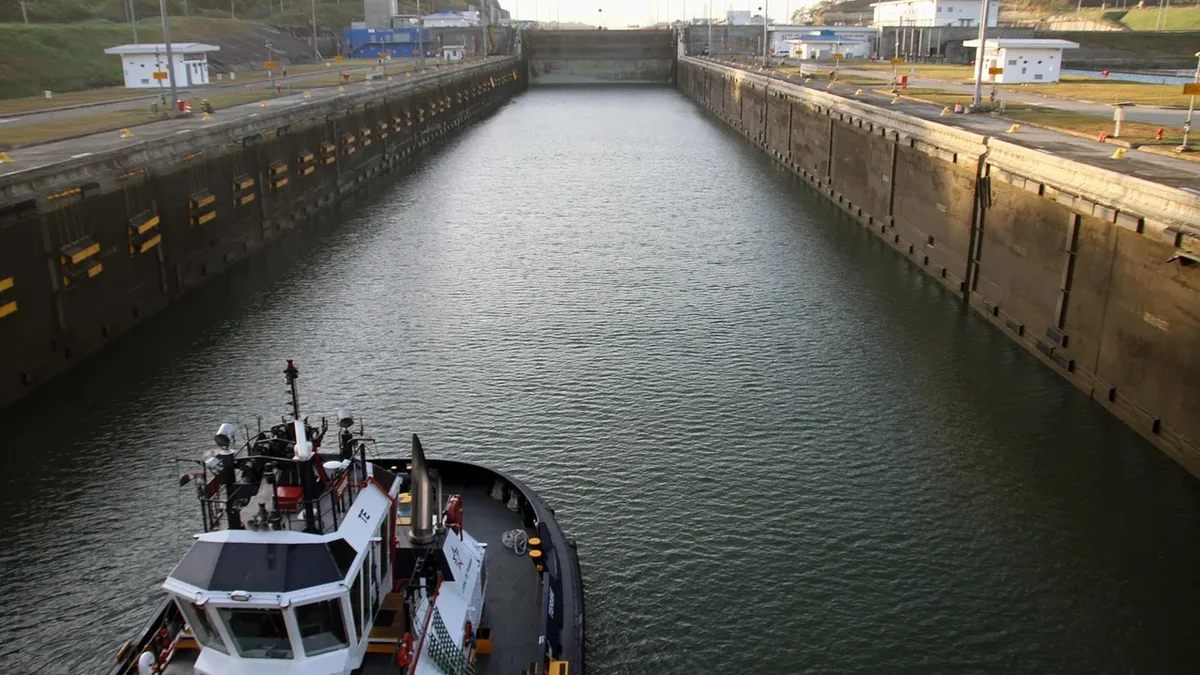
Another potential complication is low water levels in the Panama Canal, which have triggered transit restrictions and raised the risk of backlogs on the canal’s west side. Kobza said the canal could become a larger issue but currently acts as just another delay in the supply chain.
To mitigate risk, Brashier advised cargo owners to build float into supply chain schedules, diversify supplier bases, and conduct due diligence on drayage and landside providers. He stressed the importance of having emergency plans for drayage access and specifically urged attention to Houston.
Kobza echoed the need for vigilance, noting that while current stresses are manageable, they signal potential deterioration if trends continue. The Loadstar reported these insights from recent earnings calls and executive commentary, highlighting the converging trends shaping today’s drayage market.