Saudi Arabia in talks to formalise Hormuz shuttle services
Saudi Arabia is negotiating long-term contracts to load oil outside the Strait of Hormuz, aiming to formalise shuttle tanker operations by year-end amid severe regional shipping disruptions.
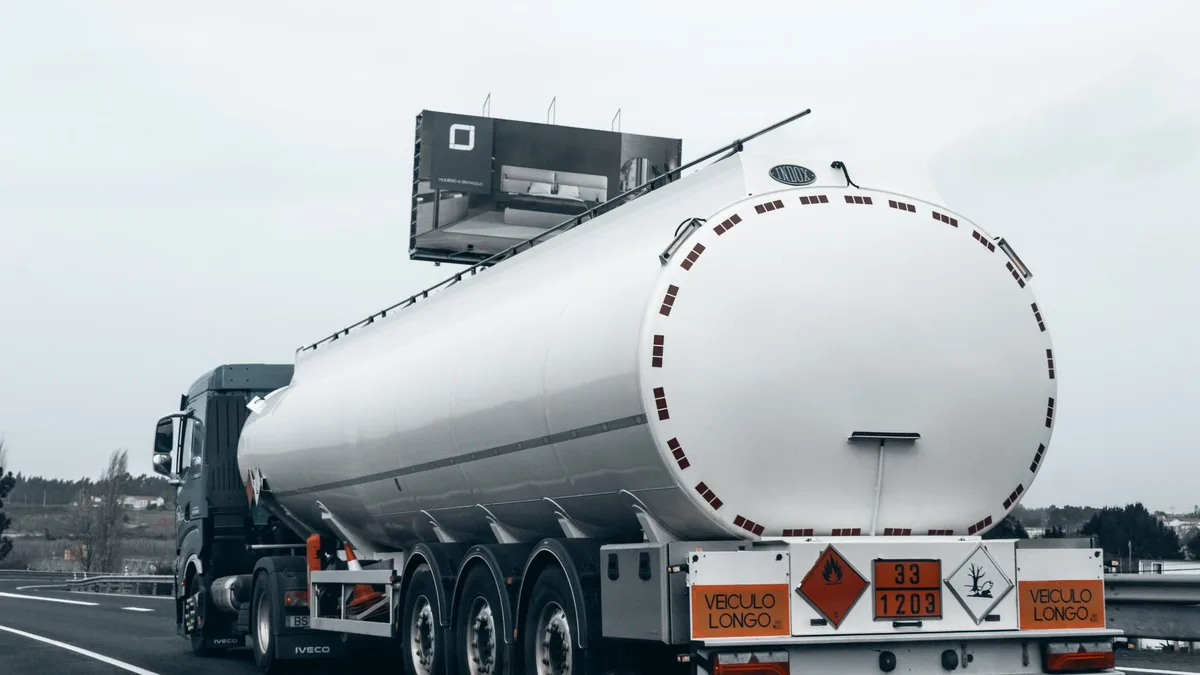
Saudi Arabia is in talks with customers to formalise Hormuz shuttle services for long-term oil loadings outside the Strait of Hormuz. The discussions, which must conclude by year-end, aim to secure market access as the war-driven disruption of the key waterway enters its eighth month.
Deliveries under long-term contracts make up most of Saudi Arabia's supply. The war has sent traditional shipping routes into turmoil, with the Strait of Hormuz severely disrupted. Major Gulf exporters have been forced to adapt to keep customers satisfied. Competition for buyers is picking up.
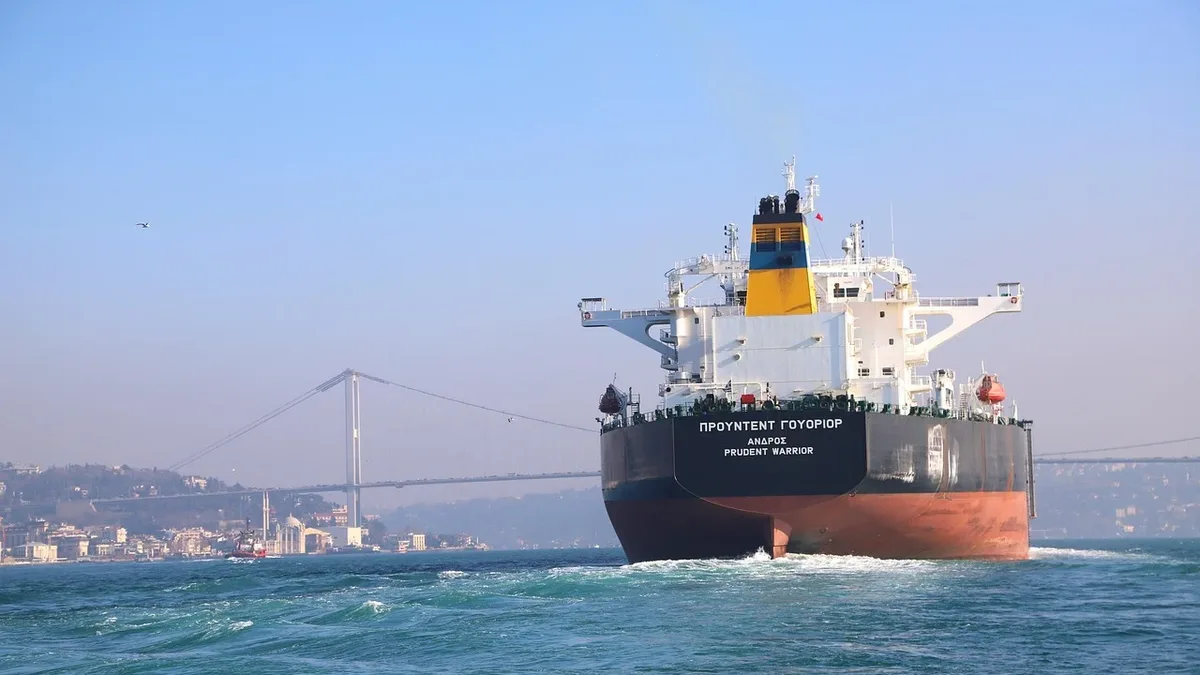
Shuttles through the strait have emerged as a crucial system to keep markets supplied. This system, also used by the United Arab Emirates, Kuwait, and Iraq, involves the seller taking the risk of passage and transferring cargoes to other vessels outside the waterway via ship-to-ship transfers. Recently, Aramco also allowed some buyers to complete these transfers off India's coast. That allows customers who can’t travel to the Gulf of Oman because of security issues a potentially safer option, while also helping to alleviate congestion around Arabian peninsula ports.
State-run Saudi Aramco is discussing other changes alongside the formalisation of shuttle services. These include offering a choice of pricing benchmarks and delivering cargoes all the way to customers in Asia. Some Asian customers have talked with Aramco about linking long-term contractual purchases to Brent futures rather than the Dubai and Oman benchmarks. No final decisions have been made. Details including pricing, freight and eligible volumes remain under discussion.
Context
The Hormuz shuttle system has emerged as a crucial adaptation for Gulf exporters to bypass security risks and maintain supply chains. Before the conflict, Aramco’s main customers in Asia arranged vessels to collect oil they bought from the company at the Ras Tanura export terminal. The Saudi company generally wasn’t involved in arranging the shipping. Since the war began, some shipowners have been reluctant to enter Hormuz, leaving buyers struggling to secure tankers at a reasonable cost even when oil is available.
Saudi Aramco has been supplying its three main export grades using these shuttles. The grades are:
Formalising shuttle tanker traffic is a logistics and access story. Past episodes show Gulf producers sought alternative routing via East-West pipeline capacity to Red Sea terminals or secured tanker arrangements. Such moves have historically been read as hedges against transit risk. A purely commercial shuttle arrangement signals a bid for market share and export flexibility.
Implications
Formalising shuttle services could reshape Saudi Arabia’s export logistics, offering pricing flexibility and direct delivery options to Asian customers. These options could also allow Aramco to capture some of the gains from the soaring cost of hiring ships to traverse Hormuz. These moves reprice the Brent-Dubai spread and tanker rates before they touch flat price.
Aramco is also exploring ways to arrange the shipping to deliver more crude directly to customers. Saudi state entities and their counterparts have prior form in building redundancy into export logistics rather than announcing intent. People familiar with the matter said, "If approved, it would mark a significant change in the way Saudi Arabia sends its crude to customers."
What’s Next
The outcome of these talks will determine whether Saudi Arabia shifts toward more flexible, secure, and customer-centric oil export mechanisms. Follow-ons to watch include confirmation of terms, parallel moves in pipeline throughput, and how insurers and shipowners price Gulf loadings. As an unconfirmed report of talks, the signal is provisional. People familiar with the matter said, "Discussions are ongoing and must conclude by year-end." Aramco and the Saudi Energy Ministry didn’t respond to requests for comment.