U.S. Manufacturing Backlogs Grow as Diesel Prices Rise
Unfilled factory orders climbed 0.6% to $1,609.6 billion in August. Shipments stalled as diesel fuel prices hit a record high, adding to supply chain cost pressures.

Unfilled orders at U.S. factories rose 0.6% to $1,609.6 billion in August. This marks the 25th increase in the last 26 months. The ratio of unfilled orders to shipments climbed to 6.87 from 6.81. Transportation equipment, which accounted for $1,009.9 billion of the total backlog, led the August increase.
New orders edged up 0.1% to $663.5 billion. Within that total, machinery orders rose 1.1% and orders for motor vehicle bodies, parts and trailers increased 0.8%. A key measure of business investment, nondefense capital goods orders excluding aircraft, advanced 1.6%. Durable goods orders, however, fell 0.1% pulled down by a 0.7% decline in transportation equipment orders and a 4.3% drop for nondefense aircraft and parts.
Shipments stall amid mixed order trends
Factory shipments stalled in August after eight consecutive months of gains. They were virtually unchanged at $658.6 billion. This halt in shipment growth occurred even as new orders showed a slight increase.
The Census Bureau does not adjust these figures for inflation.
Fuel and input costs climb
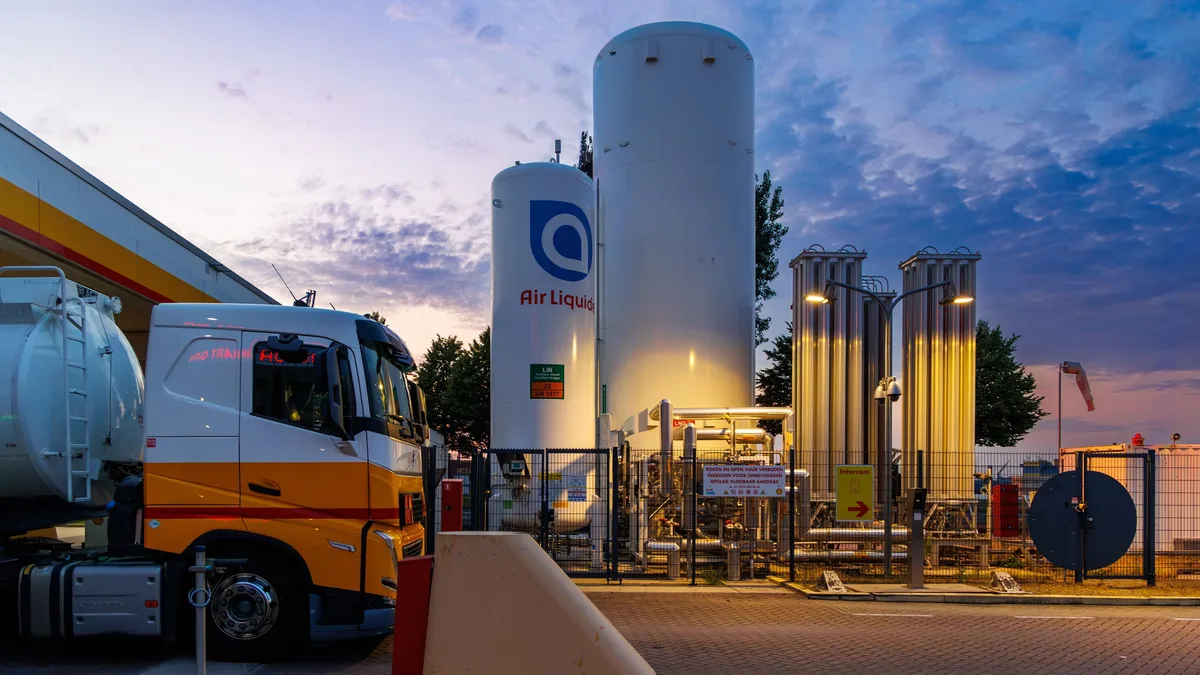
Diesel fuel prices reached a record high in September, compounding cost pressures for logistics operations. The Energy Information Administration’s weekly benchmark diesel price set a record of $6.529 a gallon on September 21. Diesel fuel was listed among commodities up in price for a second consecutive month in a key industry survey.
The Institute for Supply Management’s prices index jumped 6.8 points to 77.9 in September. That was the largest move in the report. ISM said 58.6% of respondents reported paying higher prices, up from 46.2% in August. No commodity was reported down in price in ISM’s September survey.
ISM signals continued expansion amid cost pressures
The ISM manufacturing index registered 54.5 in September, indicating continued expansion for the ninth straight month. Susan Spence, chair of ISM’s Manufacturing Business Survey Committee, noted the index was a tenth of a point below the August reading.
Other components of the ISM report pointed to tightening conditions. The inventories index fell 2 points to 48.6. The customers’ inventories index slipped to 41.6, remaining in what ISM considers 'too low' territory for a 24th consecutive month.
Industry voices highlight labor and material constraints
Manufacturers cited worker shortages, steel availability, and overseas component costs as key challenges. A respondent from the fabricated metal products sector told ISM the company has orders through year-end above forecast levels. The same respondent said a severe shortage of workers is limiting production output. A second challenge is the general availability of steel, with the market getting worse and more production delays expected.
A food, beverage and tobacco products respondent said fuel costs are still affecting transportation costs and the overall cost of goods. A machinery respondent noted that higher interest rates are slowing new construction. The respondent also said the industry must face higher costs for components from overseas due to tariffs and freight rates.
Trade data for August showed a widening goods deficit of $136.6 billion, an increase of $12.8 billion. Goods imports rose $17.2 billion to $342.2 billion. The increase was led by industrial supplies, which accounted for $9.1 billion of the rise. Crude oil imports were up $3.3 billion and nonmonetary gold imports rose $3.1 billion. Capital goods imports increased $6.2 billion, including $2.4 billion in semiconductors and $1.3 billion in other industrial machinery.
The U.S. goods deficit with Canada widened by $4.1 billion to $7.1 billion in August. Imports from Canada rose $4.6 billion to $37.1 billion. This followed Ottawa’s imposition of retaliatory tariffs of 15% to 50% on about C$27.6 billion in U.S. goods on September 8.
Year to date, the total U.S. goods and services deficit is down 19.9% from the same period in 2025. Total imports are up 4.4% over that span. In inflation-adjusted terms, real goods imports, measured in 2017 dollars, rose 4.1% to $267.7 billion in August.
Factory backlogs have now increased in 25 of the last 26 months.