Sunda Strait
| Geographic location | Between Java and Sumatra, Indonesia |
|---|---|
| Connects | Java Sea to the Indian Ocean |
| Primary maritime function | Major shipping lane for Sunda Strait traffic |
| Original use | Natural deep-water passage for regional and international shipping |
| Navigational status | Strategically significant but secondary to the Strait of Malacca |
| Vessel size limitation | Accommodates most commercial vessel sizes, including many bulk carriers and tankers |
| Alternative to | Strait of Malacca for certain deep-draft or southbound vessels |
Origin and history
The Sunda Strait is a natural maritime passage situated between the Indonesian islands of Java and Sumatra. Its formation is geological, resulting from tectonic activity and sea-level changes following the last glacial period, rather than being created by human design. The strait has been a documented navigational route for centuries, integral to the archipelagic trade networks of Southeast Asia. European awareness and use of the strait for long-distance trade expanded significantly from the 16th century onward, following Portuguese and later Dutch voyages to the spice islands. It served as a key entry and exit point for vessels sailing to and from the capital of the Dutch East Indies at Batavia, modern-day Jakarta. The strait's historical significance is also marked by the catastrophic eruption of Krakatau volcano within its waters in 1883, which dramatically altered its topography and navigational conditions.
What it is for
The Sunda Strait functions as a crucial maritime chokepoint connecting the Java Sea to the Indian Ocean. It provides a vital sea lane for vessel traffic moving between the populous Indonesian heartland and global trade routes to the west. The strait offers an important alternative route to the Malacca Strait, particularly for vessels traveling between ports in southern Asia and those in Western Australia or Southern Africa. It is extensively used by domestic Indonesian shipping, including ferries, cargo vessels, and fishing boats serving the communities on both sides of the passage. For international shipping, it is a strategic passage for bulk carriers transporting commodities like coal from Indonesian mines to destinations in the Indian Ocean region. The depth and width of the strait also make it a necessary route for certain deep-draft vessels that cannot safely transit the shallower Malacca Strait.
Pros and cons
A primary advantage of the Sunda Strait is its role as a strategic diversion from the heavily congested and piracy-prone Malacca Strait, offering redundancy for regional maritime security. It provides a more direct route for specific voyages, such as those between Western Australia and South Asia, saving time and fuel for vessels on those vectors. However, the strait presents significant navigational challenges, including strong tidal currents, shifting seabeds, and frequent periods of poor visibility. Its narrower and more winding channel compared to Malacca requires more careful pilotage and is less efficient for the largest container ships, which prefer the straighter, deeper Malacca route. Infrastructure for supporting massive vessel traffic, such as very deep-water ports or extensive refueling hubs, is less developed along its shores. A common mistake for operators is underestimating the transit time due to adverse currents or weather, leading to schedule disruptions, while others regret the choice when seeking emergency repairs or supplies less readily available than on the main Malacca route.
Who it suits
The Sunda Strait suits domestic Indonesian maritime traffic, for which it is an essential artery supporting inter-island trade and passenger transport. It is well-suited for bulk carriers, particularly those loaded with coal from South Sumatra or Kalimantan bound for India or South Africa, for whom the route is geographically logical. Smaller container feeders and general cargo vessels operating within the Indonesian archipelago and to regional neighbors like Australia frequently utilize this passage. Naval vessels, including those of the Indonesian Navy and other regional forces, use the strait for deployment between the Indian Ocean and the Java Sea, valuing its strategic control. It suits shipping companies managing routes that specifically connect ports in western Indonesia or southern Asia with destinations in Western Australia, where it offers a competitive distance. Finally, it suits operators of vessels with deep drafts that are at or near the Malacca Strait's depth limits, for whom the Sunda Strait provides a necessary, albeit more challenging, alternative.
Latest Sunda Strait news
Latest reporting
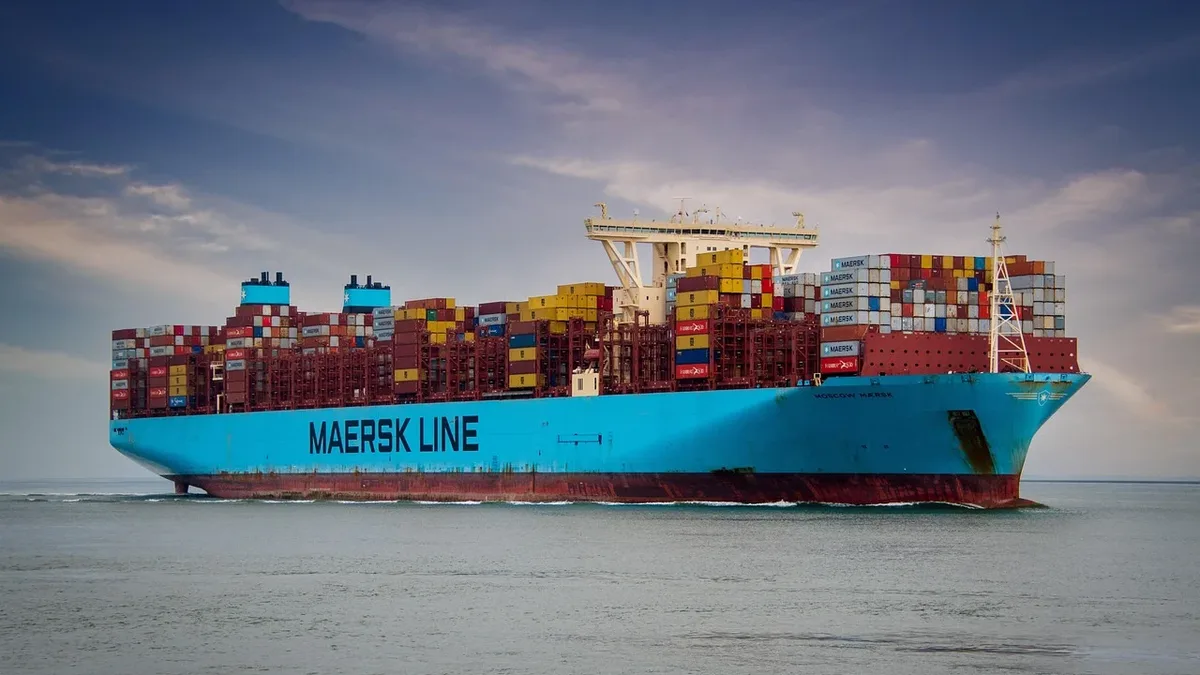
Maersk imposes emergency rates for Hormuz
Maersk has introduced new emergency freight rates and a transit surcharge for containers moving through the disrupted Strait of Hormuz region, with...

U.S. Strikes Iran Over Hormuz Tanker Attacks
The U.S. launched new air strikes on Iranian targets on September 1, following reports of attacks on two oil tankers in the Strait of Hormuz.

U.S. Clears Iran Mines from Hormuz Lanes
Admiral Brad Cooper announced that U.S. Forces have removed sea mines from the Strait of Hormuz’s Traffic Separation Scheme, enabling 1,500 vessels...