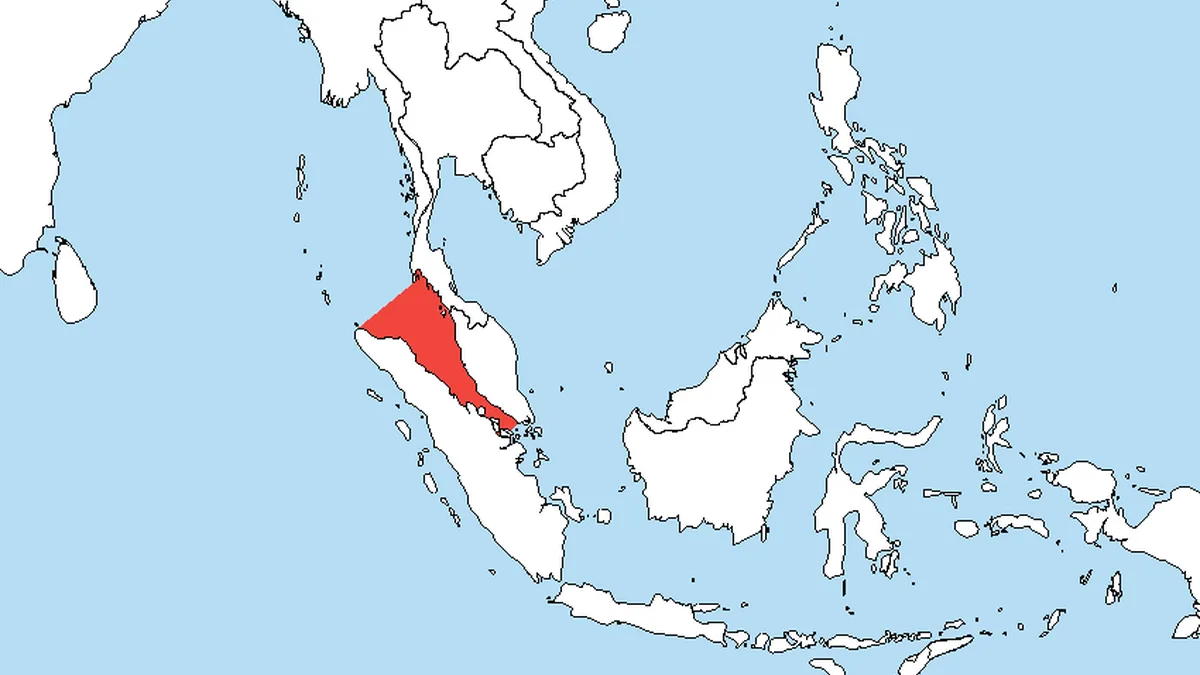
Strait Of Malacca
| Geographic location | Between the Malay Peninsula and the Indonesian island of Sumatra |
|---|---|
| Vessels per day | A major global shipping lane |
| Length | Approximately 800 kilometers (500 miles) |
| Lanes | Traffic Separation Scheme (TSS) in operation |
| Governing authority | Subject to international law, coastal states of Malaysia, Indonesia, and Singapore |
| Primary trade significance | Key route for oil and container traffic between the Indian Ocean and the Pacific Ocean |
| Strategic alternative routes | Exist but add significant distance and cost |
Origin and history
The Strait of Malacca is a natural sea passage located between the Malay Peninsula and the Indonesian island of Sumatra. Its formation is the result of geological processes following the last glacial period, which created the current channel approximately 11,000 years ago. The strait has been a documented maritime route for trade and cultural exchange for over two millennia. Historical records from the Srivijaya Empire, based in Sumatra, indicate its use as a critical hub for regional trade as early as the 7th century. European colonial powers, notably the Portuguese, Dutch, and British, recognized its strategic value from the 16th century onward, leading to centuries of competition for control. Its modern geopolitical significance solidified in the 20th century with the dramatic rise of global containerized shipping and the economic growth of East Asian nations.
What it is for
The Strait of Malacca functions as the primary maritime chokepoint connecting the Indian Ocean and the South China Sea, and by extension, the Pacific Ocean. It is the shortest sea route between the Middle East and major East Asian markets, including China, Japan, and South Korea. The strait is a vital conduit for the global shipment of crude oil, with a significant portion of Middle Eastern and African oil exports transiting through it. It is equally critical for the transport of liquefied natural gas (LNG), manufactured goods, and containerized freight. The waterway facilitates the majority of China's seaborne trade, including imports of raw materials and exports of finished products. Its function is fundamentally that of an indispensable global trade artery, upon which the economies of numerous nations depend for energy security and commercial supply chains.
Pros and cons
This efficiency translates into lower freight costs and shorter transit times for a vast array of commodities. However, its narrowest point, the Phillips Channel, is only about 1.7 nautical miles wide, creating a natural bottleneck with significant risks. The high traffic density, coupled with shallow waters and complex navigation, leads to a persistent risk of collisions and groundings. Piracy and armed robbery, though reduced from historical peaks, remain a tangible security concern requiring naval patrols and onboard security measures. Furthermore, the strait's strategic importance makes it a potential focal point for geopolitical tensions, where any disruption could have immediate and severe consequences for global markets. Shipping companies and national governments regret its indispensability because it creates a single point of failure; there is no economically viable alternative route for the vast majority of this traffic, creating inherent vulnerability.
Who it suits
The Strait of Malacca suits any entity engaged in bulk energy or containerized trade between the Indian Ocean region and East Asia. It is essential for oil tankers serving the refining complexes and strategic petroleum reserves of China, Japan, and South Korea. Major global container shipping alliances, operating the largest vessels, are fundamentally dependent on this route to maintain their network efficiency and schedule integrity. The strait suits the economic models of export-driven manufacturing economies that rely on just-in-time delivery of components and rapid export of finished goods. It also suits the strategic planning of major naval powers, whose vessels routinely transit the strait to maintain presence and project power between the two ocean basins. Conversely, it does not suit operators of ultra-large crude carriers (ULCCs) at full draft, which must use deeper, longer routes due to the strait's shallow depths, nor does it suit shipments where extreme risk aversion outweighs cost and time savings.
Latest Strait Of Malacca news
Latest reporting
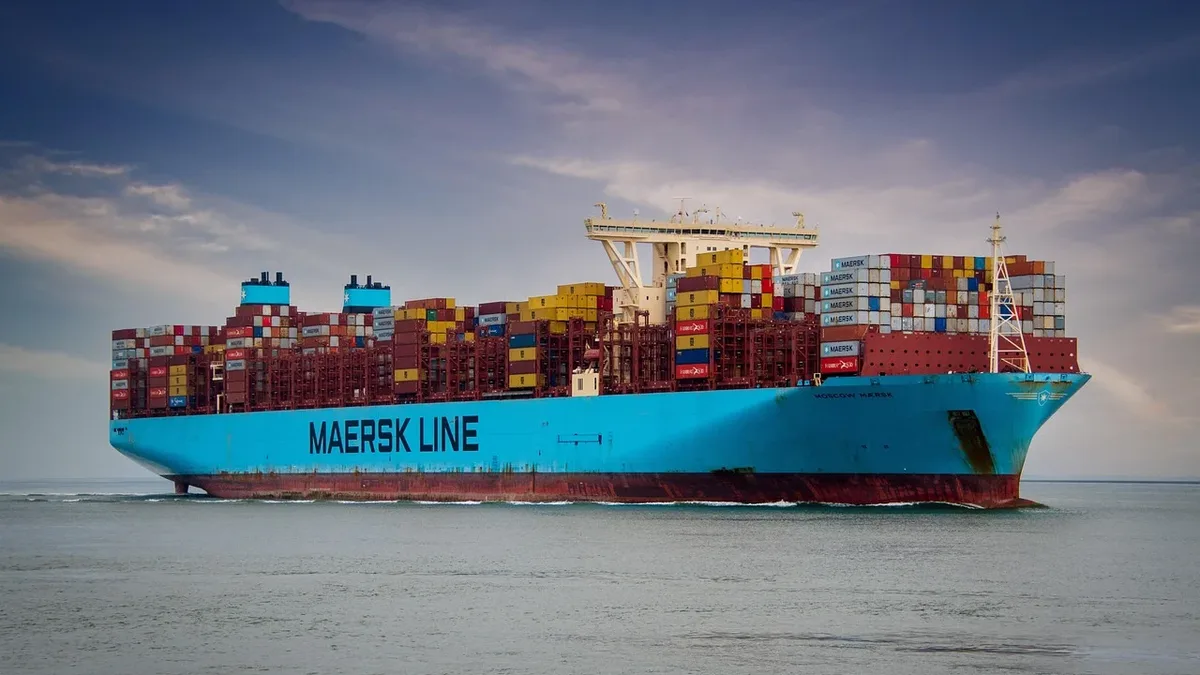
Maersk imposes emergency rates for Hormuz
Maersk has introduced new emergency freight rates and a transit surcharge for containers moving through the disrupted Strait of Hormuz region, with...
U.S. Strikes Iran Over Hormuz Tanker Attacks
The U.S. launched new air strikes on Iranian targets on September 1, following reports of attacks on two oil tankers in the Strait of Hormuz.

U.S. Clears Iran Mines from Hormuz Lanes
Admiral Brad Cooper announced that U.S. Forces have removed sea mines from the Strait of Hormuz’s Traffic Separation Scheme, enabling 1,500 vessels...