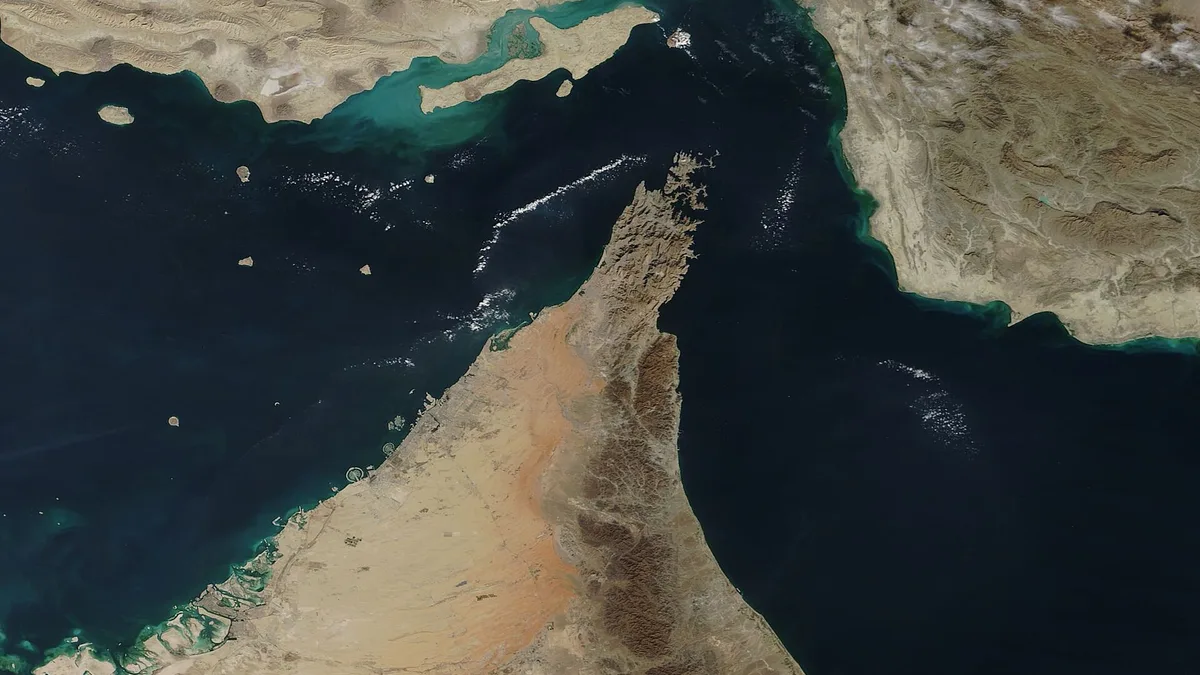
Strait Of Hormuz
| Location | Between Oman and Iran, linking the Persian Gulf with the Gulf of Oman |
|---|---|
| Primary commodity transported | Crude oil and petroleum products |
| Typical vessel traffic | Tankers and container ships |
| Strategic significance | Critical global oil transit chokepoint |
| Navigational width at narrowest point | Approximately 21 nautical miles |
| Depth | Sufficient for the draft of all fully-laden tankers |
| Governing legal regime | Transit passage under UNCLOS |
Origin and history
The Strait of Hormuz is a natural geographic chokepoint formed by the tectonic separation of the Arabian Plate from the Eurasian Plate over millions of years. Its modern geopolitical significance is tied to the surrounding region, primarily the nations of Iran and Oman, which control its northern and southern shores respectively. The strait has been a vital maritime passage for trade and empire since antiquity, linking the Persian Gulf with the Gulf of Oman and the Indian Ocean. Its strategic importance grew substantially with the rise of the Persian empires and later the Islamic Caliphates, which controlled trade routes through the region. In the 20th century, the discovery of massive petroleum reserves in the Gulf states transformed the strait into the world's most critical oil transit corridor. The modern legal framework governing its navigation stems from the United Nations Convention on the Law of the Sea, though its narrow channels remain a persistent focus of international tension and military presence.
What it is for
The Strait of Hormuz functions as the sole maritime passage for seaborne trade entering or exiting the Persian Gulf. Its primary purpose is the transit of crude oil, liquefied natural gas (LNG), and refined petroleum products from major producers like Saudi Arabia, Iraq, the United Arab Emirates, Kuwait, Qatar, and Iran. An estimated one-fifth of the world's oil consumption passes through this chokepoint, making it indispensable to global energy security and market stability. Beyond hydrocarbons, the strait also facilitates the import of goods, including containerized cargo, machinery, and foodstuffs, into the Gulf nations. It serves as a crucial route for the global shipping industry, connecting markets in Asia, Europe, and North America with the Gulf's economies. The waterway is governed by transit passage regimes under international law, allowing commercial and military vessels innocent passage through its territorial waters.
Pros and cons
Its established shipping lanes and port infrastructure support just-in-time delivery chains for a vast array of goods destined for populous Gulf consumer markets. A significant con is its extreme vulnerability to geopolitical disruption, where regional conflicts or hostile actions can trigger immediate global oil price spikes and supply anxieties. Shipping through the strait incurs substantial risk premiums for insurance and security, directly increasing transport costs for all cargo. Many shipping companies and energy traders regret reliance on this route due to the constant threat of harassment, seizure, or military confrontation, which can lead to costly delays and rerouting. A common mistake is underestimating the cascading effects of even a temporary closure, which would force longer, more expensive alternate routes and strain global tanker capacity.
Who it suits
This trade lane suits the national economies of the Persian Gulf region, which are structurally dependent on it as their primary export channel for oil and gas revenues. It suits major energy-importing nations in Asia, such as China, India, Japan, and South Korea, whose energy security strategies are built around reliable flows from the Gulf. The route suits large international oil companies, tanker operators, and commodity traders who have integrated its risks and costs into their logistical and financial models. It suits the naval forces of global and regional powers who maintain a presence to ensure freedom of navigation and protect their national interests. The strait does not suit landlocked regional producers seeking export alternatives, nor does it suit shippers of high-value or time-sensitive cargo who are highly risk-averse to potential delays. Ultimately, it suits a global economic system that, despite the risks, currently lacks a viable and cost-equivalent alternative for such a volume of energy transit.
Latest Strait Of Hormuz news
Latest reporting
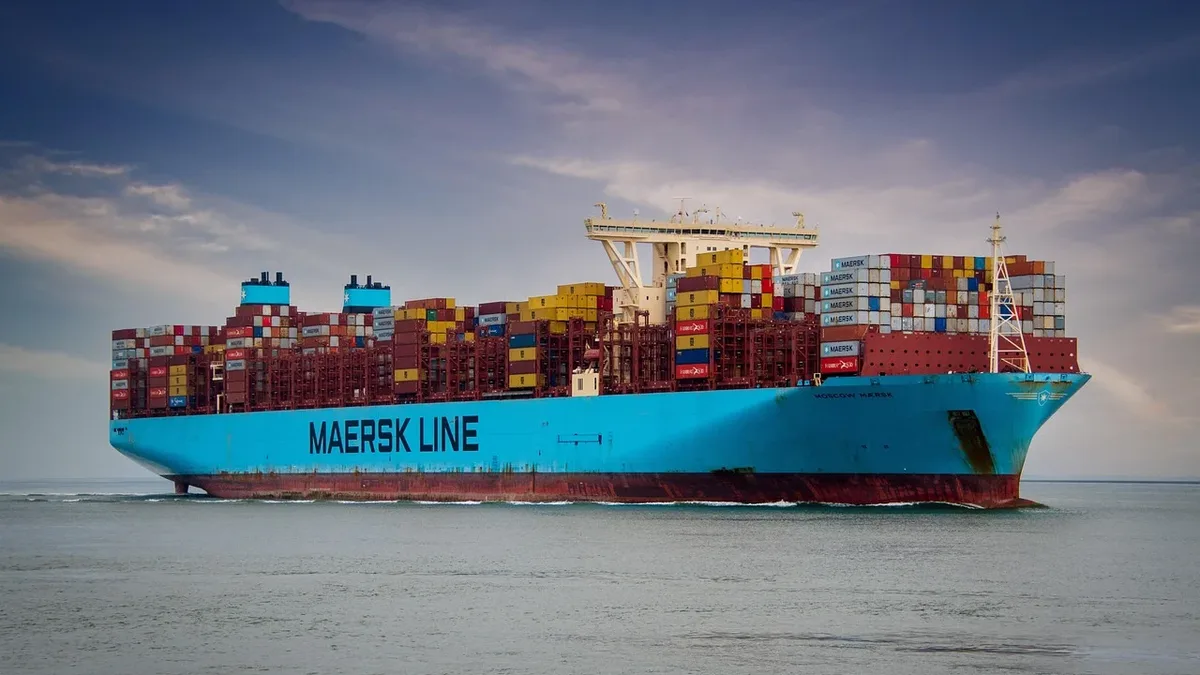
Maersk imposes emergency rates for Hormuz
Maersk has introduced new emergency freight rates and a transit surcharge for containers moving through the disrupted Strait of Hormuz region, with...
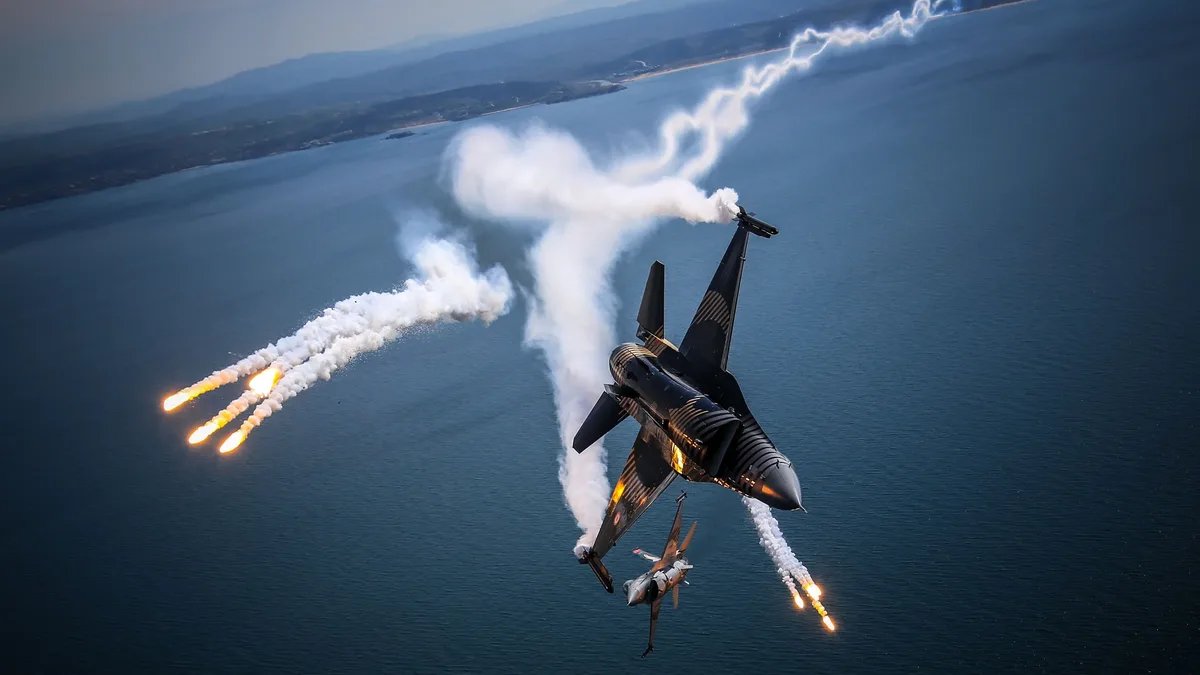
U.S. Strikes Iran Over Hormuz Tanker Attacks
The U.S. launched new air strikes on Iranian targets on September 1, following reports of attacks on two oil tankers in the Strait of Hormuz.
U.S. Clears Iran Mines from Hormuz Lanes
Admiral Brad Cooper announced that U.S. Forces have removed sea mines from the Strait of Hormuz’s Traffic Separation Scheme, enabling 1,500 vessels...
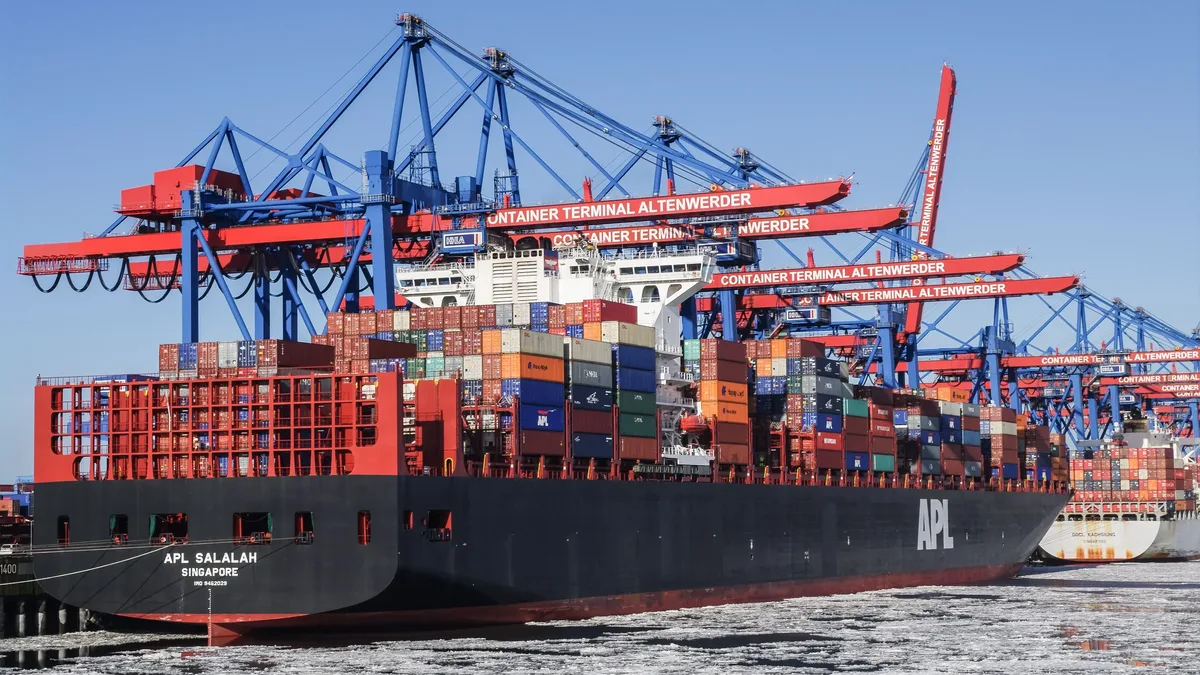
Jebel Ali Drops from Top 30 After 20 Years
Jebel Ali fell from 10th to 32nd in global box port rankings after a 90% volume drop, losing 3.14m TEU in the first half of the year. The decline...