Strait Of Gibraltar
| Location | Between southern Spain (Europe) and northern Morocco (Africa) |
|---|---|
| Connects | Atlantic Ocean to Mediterranean Sea |
| Minimum width | Approximately 14.3 kilometers (8.9 miles) |
| Maximum depth | Approximately 900 meters (2,953 feet) |
| Traffic type | Major global shipping lane for cargo and passenger vessels |
| Governance | Subject to international transit passage regimes |
| Original use | Natural maritime passage |
Origin and history
The Strait of Gibraltar is a natural maritime chokepoint formed by geological forces. It is located between the southernmost tip of the Iberian Peninsula, which is part of Spain, and the northern coast of Africa, specifically Morocco and the Spanish exclave of Ceuta. This strait was created by the tectonic collision of the African and Eurasian plates, with its current form largely shaped during the Messinian Salinity Crisis in the late Miocene epoch, approximately 5.96 to 5.33 million years ago. The subsequent Zanclean flood, which refilled the Mediterranean Basin, established the permanent marine connection roughly 5.33 million years ago. Human awareness and use of the strait for navigation dates back to ancient Phoenician and Carthaginian traders. Its strategic significance was cemented with the Muslim conquest of the Iberian Peninsula in the 8th century and later European colonial expansion, making it a focal point of naval power for centuries.
What it is for
The primary function of the Strait of Gibraltar is to serve as the sole natural maritime passage connecting the Atlantic Ocean to the Mediterranean Sea. It is a critical global trade lane, facilitating the movement of goods between Europe, Asia, and Africa. Vessels transporting containerized cargo, crude oil, liquefied natural gas, and dry bulk commodities rely on this route to avoid the significantly longer journey around the African continent. The strait also enables ferry services for passengers and vehicles between Europe and North Africa. Furthermore, it is a vital migration route for marine life, including whales and dolphins, moving between the Atlantic and Mediterranean. Its strategic military importance persists, with naval forces from multiple nations routinely transiting and monitoring the waters.
Pros and cons
A primary advantage of the Strait of Gibraltar route is its dramatic reduction in voyage distance and time for vessels moving between the North Atlantic and the Mediterranean, saving weeks compared to circumnavigating Africa. This efficiency translates directly into lower fuel consumption and reduced operational costs for shipping lines under normal conditions. The well-established maritime infrastructure on both sides, including the ports of Algeciras and Tangier Med, provides efficient hubs for cargo handling and vessel services. A significant con is the intense traffic congestion, which increases the risk of maritime accidents and collisions in a relatively narrow waterway. This congestion, combined with frequent adverse weather conditions like strong Levante winds, can lead to unpredictable delays and schedule disruptions for container services. Furthermore, the strait's geopolitical sensitivity means shipping is subject to political tensions and stringent security regulations, while the threat of piracy, though diminished, historically required additional security measures and costs.
Who it suits
This trade lane suits large container shipping alliances operating on major east-west routes, such as those between Asia and Northern Europe, for whom the time savings are non-negotiable for schedule integrity. It is essential for carriers serving the Mediterranean markets directly, requiring efficient access to southern European and North African ports like Valencia, Genoa, and Piraeus. Energy shipping companies transporting LNG from the Mediterranean to Atlantic markets or crude oil in the opposite direction are fundamentally dependent on this passage. The route also suits operators of Roll-on/Roll-off (Ro-Ro) ferries and short-sea shipping services linking the European and African continents. It is less suited for shipping lines whose entire network is focused on trans-Pacific or trans-Atlantic trades not touching the Mediterranean, for whom the strait is irrelevant. Similarly, cost-sensitive bulk carriers on very long-term charters may, in rare circumstances, opt for the longer Cape of Good Hope route if bunker fuel prices are exceptionally low and schedule pressure is absent, but this remains the exception.
Latest Strait Of Gibraltar news
Latest reporting
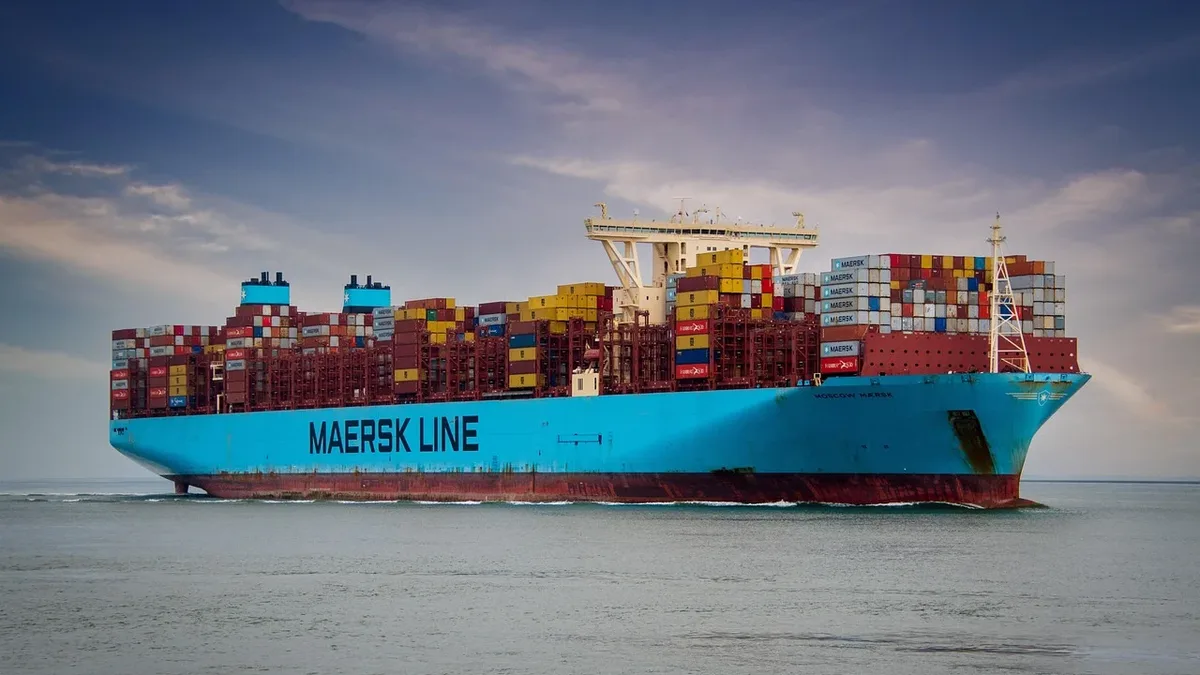
Maersk imposes emergency rates for Hormuz
Maersk has introduced new emergency freight rates and a transit surcharge for containers moving through the disrupted Strait of Hormuz region, with...

U.S. Strikes Iran Over Hormuz Tanker Attacks
The U.S. launched new air strikes on Iranian targets on September 1, following reports of attacks on two oil tankers in the Strait of Hormuz.
U.S. Clears Iran Mines from Hormuz Lanes
Admiral Brad Cooper announced that U.S. Forces have removed sea mines from the Strait of Hormuz’s Traffic Separation Scheme, enabling 1,500 vessels...