Transpacific Services
| Alliance name | Transpacific Services |
|---|---|
| Trade lane | Transpacific |
| Core members | CMA CGM, COSCO Shipping, Evergreen Marine |
| Service network | Asia to US West Coast |
| Vessel sharing agreement | Yes |
| Alliance type | Vessel sharing agreement (VSA) |
| Year formed | 2024 |
Origin and history
Transpacific Services refers to the network of established container shipping routes connecting major ports in Asia with those on the West Coast of North America. Its development is intrinsically linked to the globalization of manufacturing and the rise of East Asia, particularly China, as the world's primary export hub for consumer goods. The modern era of these services began in the latter half of the 20th century, accelerating dramatically from the 1970s onward as containerization became the global standard. The economic reforms in China during the 1980s and its accession to the World Trade Organization in 2001 were pivotal events that catalyzed exponential growth in trade volumes across the Pacific. This growth necessitated and funded continual advancements in vessel size, port infrastructure, and service frequency. The operational landscape has been shaped by the formation and reformation of global carrier alliances, which collectively manage the majority of capacity on this trade lane.
What it is for
Transpacific Services exist to transport containerized cargo, predominantly manufactured goods, from industrial centers in Asia to consumer markets in North America. The primary flow moves eastbound, carrying electronics, apparel, furniture, and a vast array of other retail products from ports like Shanghai, Ningbo, and Shenzhen to gateways such as Los Angeles, Long Beach, and Seattle. A significant, though smaller, westbound flow carries agricultural products, raw materials, and empty containers back to Asia. These services provide the essential maritime link in global supply chains, enabling the just-in-time inventory models used by major retailers and manufacturers. The network includes multiple route options, with some services making direct calls at major ports and others utilizing feeder networks through regional hubs. Reliability and schedule integrity are critical factors for shippers who depend on predictable transit times to manage their inventory.
Pros and cons
A primary advantage of utilizing Transpacific Services is access to high-frequency sailings and massive scale, offering shippers a range of options from premium fast transit to slower, more economical routings. The established infrastructure and professional handling at major ports on both ends of the lane provide a degree of operational predictability. A significant con is the lane's pronounced susceptibility to severe congestion and delays, particularly at key U.S. West Coast ports, which can disrupt supply chains for weeks. Rate volatility is extreme, with freight costs capable of swinging by thousands of dollars per container over short periods based on demand, capacity, and external events. Shippers often regret selecting services based solely on the lowest rate, as this can lead to unreliable carriers, slower transit times, and hidden charges that erase the initial savings. A common mistake is failing to build significant buffer time into logistics plans, leaving operations vulnerable to the lane's inherent unpredictability from weather, labor disputes, or port congestion.
Who it suits
Transpacific Services are essential for any business importing large volumes of finished goods or components from Asia to North America, including major retailers, electronics brands, and automotive companies. They suit shippers with consistent, high-volume cargo flows who can commit to long-term contracts to secure capacity and mitigate some rate volatility. Large freight forwarders and Non-Vessel Operating Common Carriers (NVOCCs) also heavily utilize these services to consolidate shipments from multiple smaller clients. The lane is less suited for extremely time-sensitive shipments where air freight is necessary, or for low-volume, occasional shippers who may find the complexity and minimum volume requirements prohibitive. Businesses with flexible inventory models or those capable of shifting sourcing or using alternative routings, such as via the U.S. Gulf or East Coast, are better positioned to manage the lane's risks. Ultimately, it suits organizations with dedicated logistics teams or experienced partners who can navigate the operational and contractual complexities inherent in the world's busiest container trade route.
Latest Transpacific Services news
Latest reporting
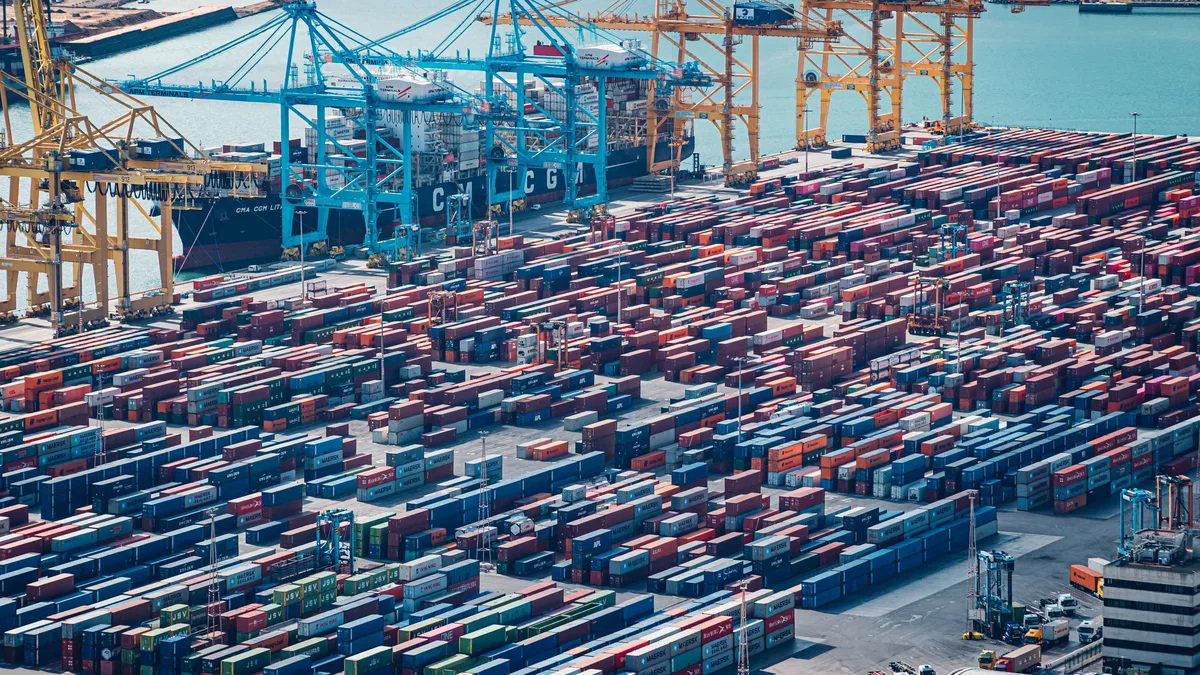
Hong Kong shifts port strategy from volume
Hong Kong's new five-year plan pivots its port strategy from chasing container volume to developing higher-value services, targeting smart, green...
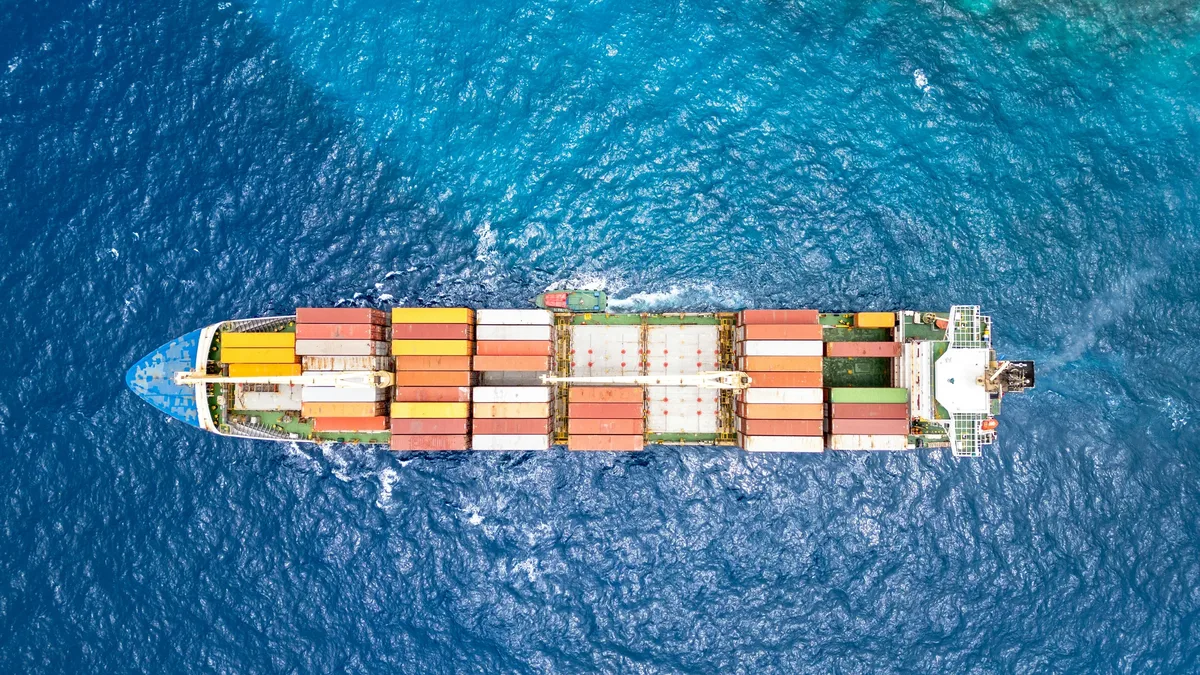
Ocean freight rates defy post-peak easing as capacity
Transpacific container spot rates remain above $10,000 as strong US demand, port delays, and carrier blank sailings extend the peak season, according...
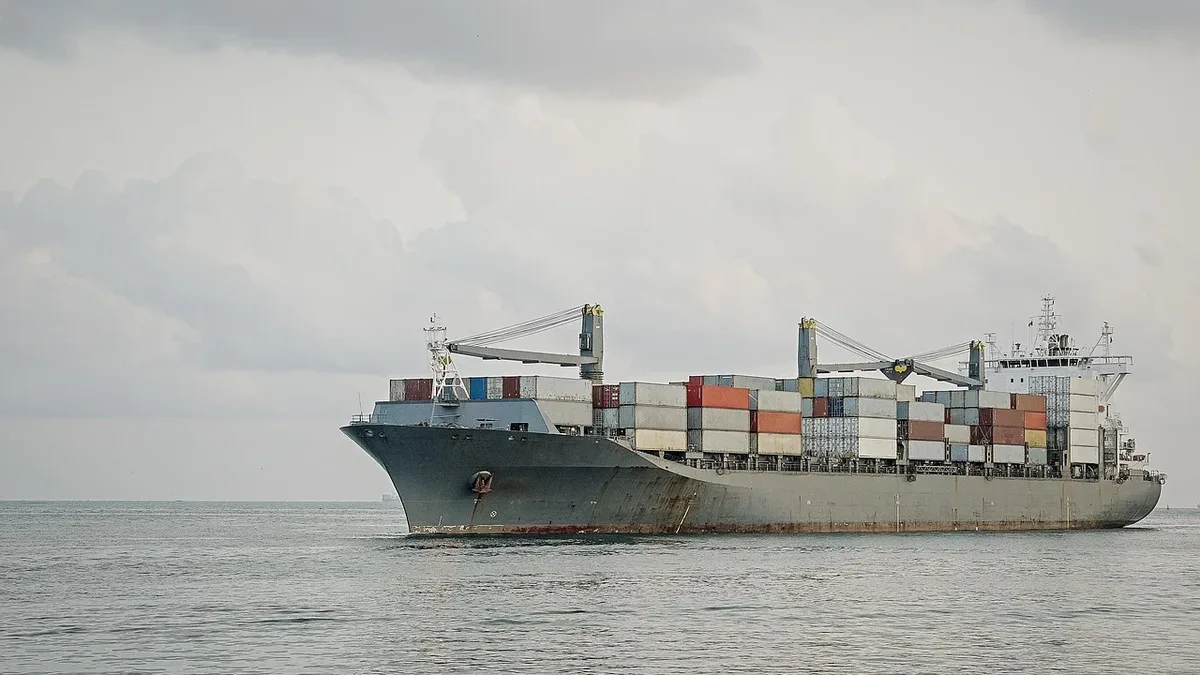
Transpacific spot rates hit $10,000 as Asia-Europe slides
Spot rates from Asia to the US East Coast have surged past $10,000 per 40ft container, reaching levels not seen since July 2022, while rates to Europe

Gemini to drop Shanghai call in Asia shuttle
The Gemini Cooperation is merging two intra-Asia shuttle services, discontinuing the A04 and expanding the A14.
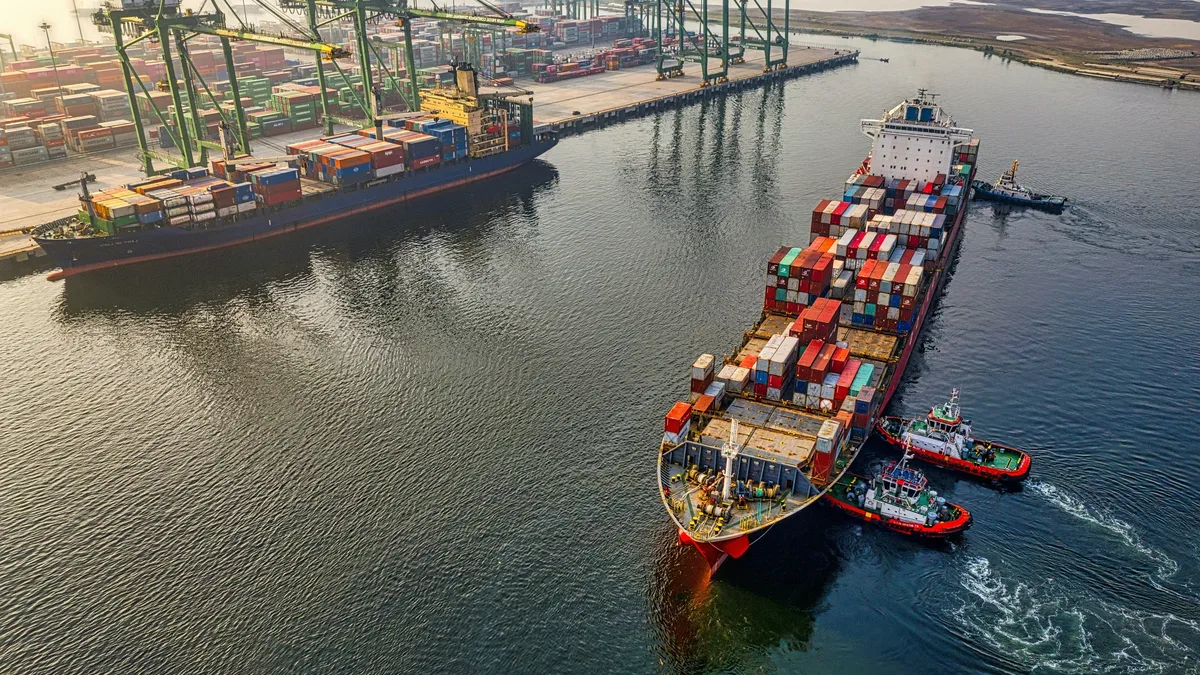
Transpacific container spot rates surge as late peak demand
Container spot freight rates on transpacific routes to the US east and west coasts rose sharply this week due to late peak season demand, while...
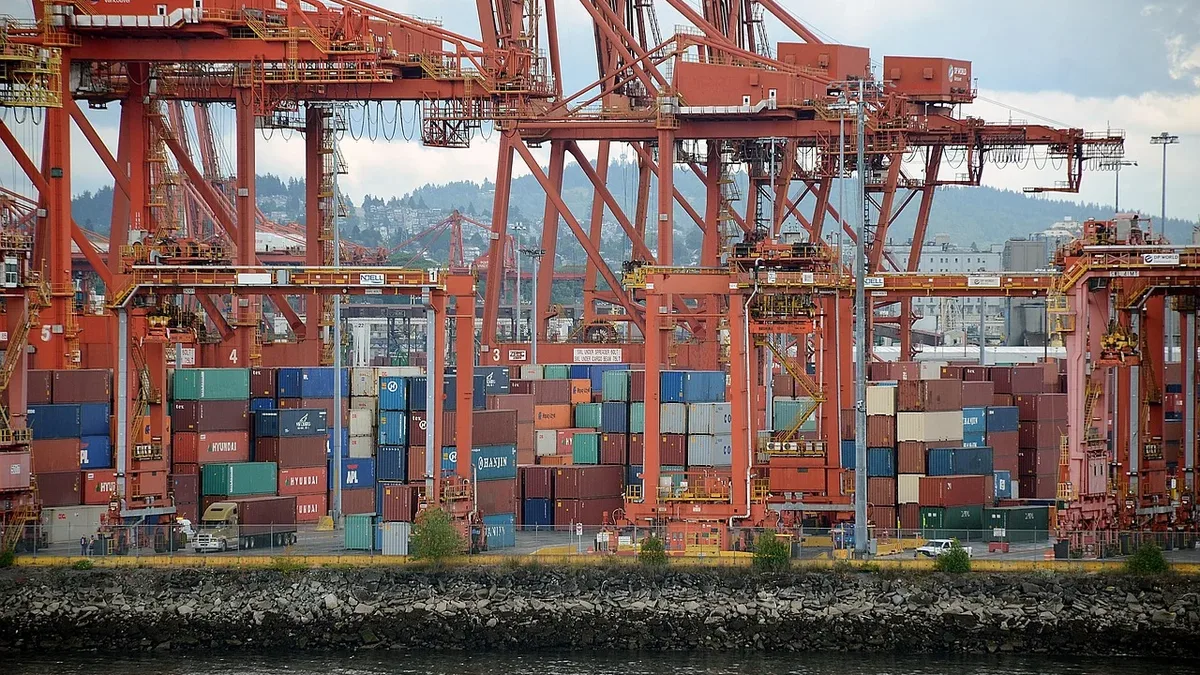
Transpacific Gains Offset Asia-Europe Declines, Rates Steady
Global container spot rates held flat as a 5% rise on the Shanghai-Los Angeles lane countered double-digit declines on Asia-Europe routes, according...