Transatlantic Services
| Alliance name | Transatlantic Services |
|---|---|
| Original use | Container shipping alliance on the North Atlantic trade lane |
| Trade lane | North Atlantic (primarily Northern Europe to North America) |
| Member lines | Hapag-Lloyd, Ocean Network Express (ONE) |
| Service structure | Weekly fixed-day sailings |
| Vessel size | Panamax to New Panamax (typically 4,000 to 14,000 TEU range) |
| First created | 2025 |
Origin and history
Transatlantic Services refers to the network of established container shipping routes connecting major ports in North America with those in Northern Europe. The modern containerized trade lane was formalized in the latter half of the 20th century, following the widespread adoption of standardized container shipping from the 1960s onward. Its development was directly driven by the growth of post-war industrial economies and the increasing trade in manufactured goods, raw materials, and agricultural products between these two economic blocs. The lane is historically anchored by key gateway ports such as Rotterdam, Antwerp, and Hamburg in Europe, and New York/New Jersey, Norfolk, and Savannah on the North American coast. Alliances between major shipping lines, which began forming in earnest in the 1990s, have been crucial in structuring and operating the coordinated vessel services on this route. The historical dominance of this east-west trade lane has made it one of the pillars of the global container shipping network, with services evolving through decades of carrier mergers and alliance restructuring.
What it is for
This trade lane exists to facilitate the movement of containerized cargo between the industrialized nations of North America and Northern Europe. Its primary function is to provide a regular, scheduled maritime transport service for a vast range of goods, including machinery, vehicles, chemicals, and consumer products. The services are designed to offer shippers predictable transit times and port rotations, enabling supply chain planning for businesses engaged in transatlantic trade. It serves as a critical infrastructure component for multinational corporations manufacturing and selling goods in both markets. Furthermore, the lane accommodates significant volumes of specialized equipment and project cargo, supporting industries like aerospace and energy. The network of alliances operating on this route aims to optimize vessel utilization and port calls, thereby seeking to offer cost-effective and reliable capacity to the market.
Pros and cons
A primary advantage of the established Transatlantic Services network is its relative stability and frequency compared to more volatile trade lanes, often resulting in more predictable sailing schedules and equipment availability. The presence of multiple carrier alliances and independent services on the route can provide shippers with a degree of choice and negotiation leverage for freight contracts. However, a significant con is the lane's susceptibility to operational disruptions from North Atlantic winter weather, which can cause substantial schedule delays and port omissions. Shippers often regret selecting services based solely on the lowest rate when it involves less reliable carriers or unfavorable port rotations that add costly inland transportation. The common mistake is underestimating the impact of final inland drayage costs from the chosen coastal port, which can negate any apparent ocean freight savings. Furthermore, during periods of global port congestion, vessels on this lane can experience significant rollovers, where containers are left behind for subsequent sailings, disrupting carefully timed supply chains.
Who it suits
This trade lane is particularly suited for large-volume shippers and beneficial cargo owners with consistent freight movements between major industrial and consumer markets on both continents. Manufacturers with integrated supply chains, such as automotive or industrial equipment companies, rely on its scheduled services for just-in-time production components. It is also a logical choice for commodity shippers moving goods like forest products or chemicals, where direct port-to-port service and schedule reliability are prioritized over ultra-fast transit times. Retailers and distributors with established networks near the major gateway ports find it efficient for consolidating container loads from multiple suppliers. Conversely, it is less suited for time-critical shipments requiring the absolute fastest transit, as these may be better served by air freight, or for shipments destined for remote inland locations not well-connected to the primary coastal hubs. The lane best serves those who can plan their logistics well in advance and who value network stability over the lowest possible cost on any given shipment.
Latest Transatlantic Services news
Latest reporting
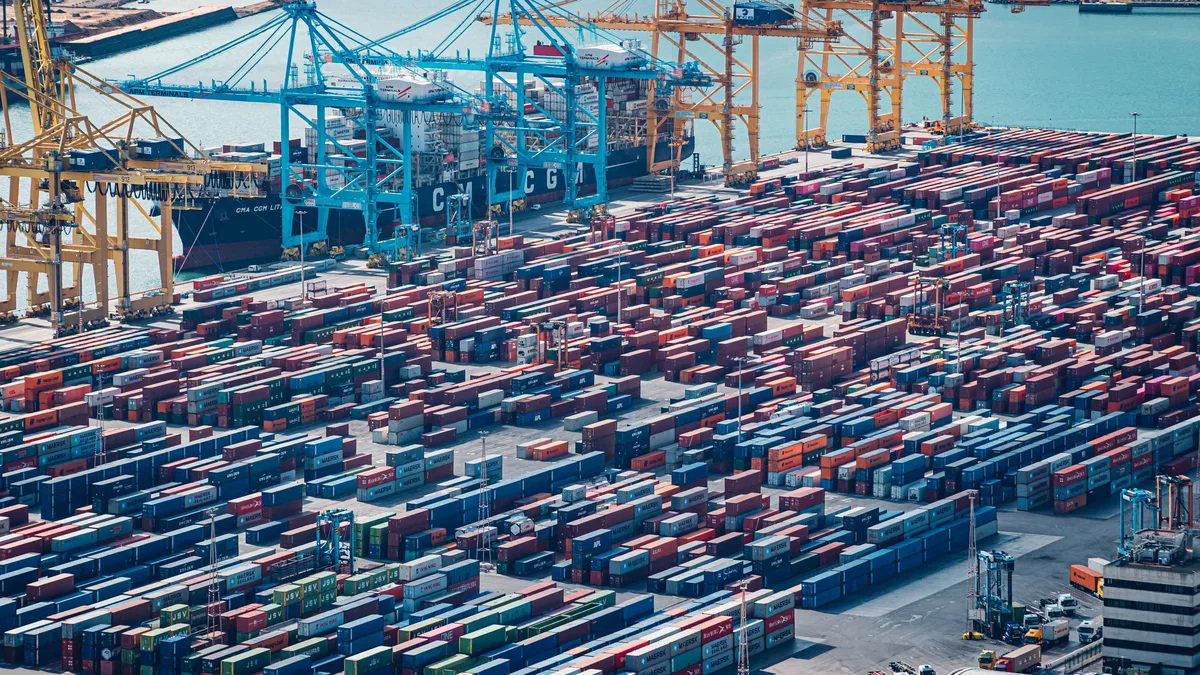
Hong Kong shifts port strategy from volume
Hong Kong's new five-year plan pivots its port strategy from chasing container volume to developing higher-value services, targeting smart, green...

Gemini to drop Shanghai call in Asia shuttle
The Gemini Cooperation is merging two intra-Asia shuttle services, discontinuing the A04 and expanding the A14.
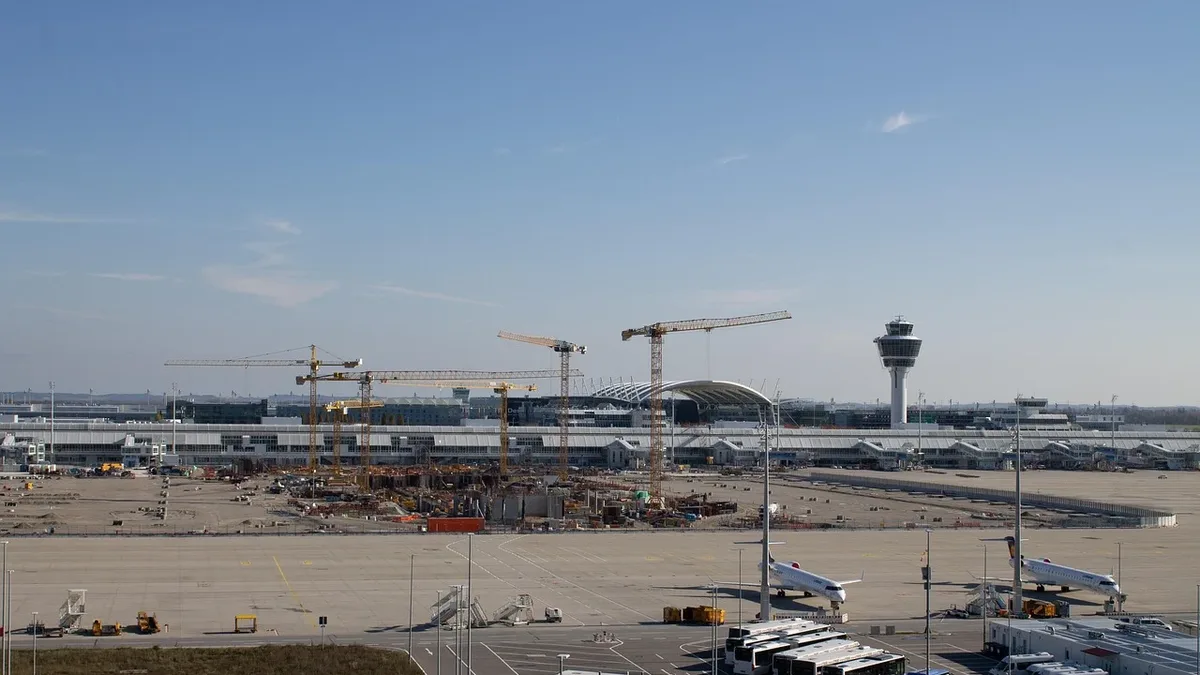
Ezeiza Runway Work Cuts Buenos Aires Air Cargo Capacity
A three-week runway upgrade at Buenos Aires' main cargo airport will severely restrict widebody flights, forcing major carriers to cancel services and
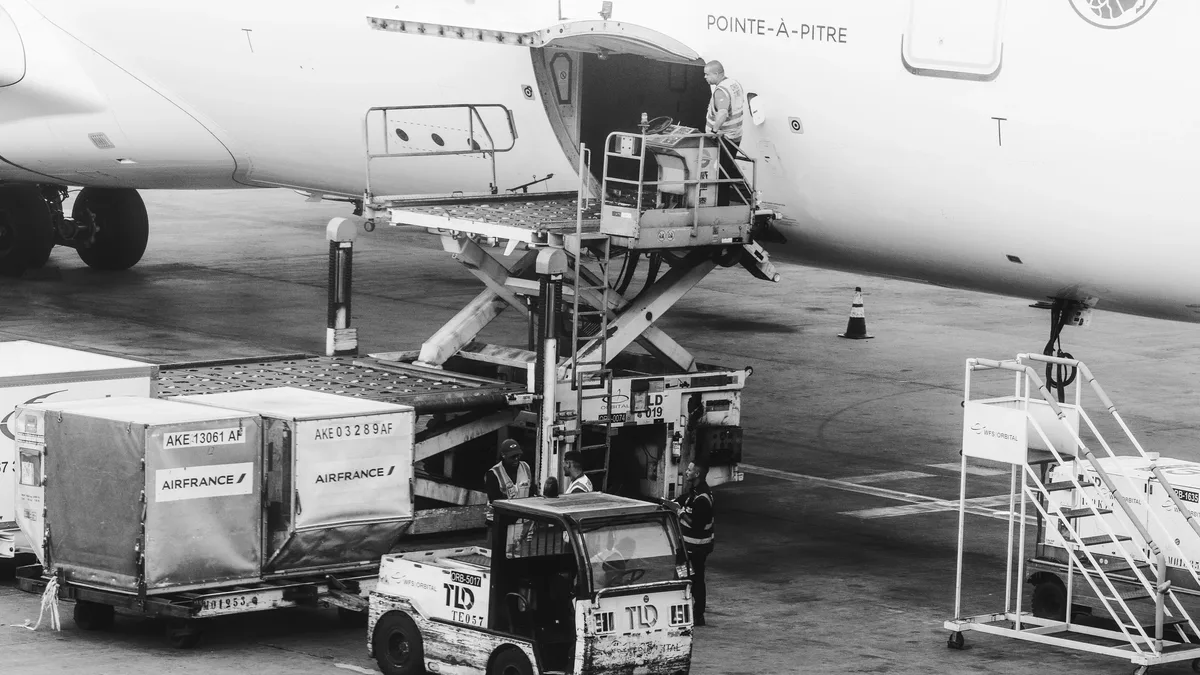
Lusaka Airport adds weekly cargo flights
Emirates and TAAG Angola Airlines have each launched weekly dedicated freighter services to Lusaka, Zambia, citing growing demand for time-sensitive