Ocean Alliance
| Alliance members | CMA CGM, COSCO Shipping, Evergreen Marine, OOCL |
|---|---|
| Primary trade lane | Asia–North America East Coast (via Suez Canal) |
| Vessel sharing agreement type | Ocean Alliance |
| First created | 2017 |
| Original use | Coordinated vessel sharing and network optimization on major East-West trade lanes |
Origin and history
The Ocean Alliance is a global operational agreement between container shipping lines, formed in the 2010s. It was officially announced in 2016 and began operations in April 2017, representing a significant realignment in the industry. This alliance was created following the restructuring of previous carrier partnerships, notably after the bankruptcy of Hanjin Shipping. Its formation was a direct response to the need for greater efficiency and network optimization during a period of prolonged low freight rates and overcapacity. The member carriers are headquartered in East Asia and Europe, with no single region serving as its sole origin. The alliance's structure has remained stable since its inception, despite periodic adjustments to its service routes and port rotations.
What it is for
The Ocean Alliance exists to allow its member shipping lines to share vessel space and coordinate sailing schedules on major global trade lanes. Its primary function is to operate a shared network of container services, enabling each carrier to offer more frequent sailings and broader port coverage than they could achieve independently. This cooperation covers key east-west routes connecting Asia with North America and Europe, as well as some north-south and regional trades. By pooling resources, the members aim to optimize vessel utilization, reduce operational costs per container, and enhance the reliability of their service offerings. The alliance is a strategic commercial pact, not a legal merger, meaning each line maintains its own sales, pricing, and brand identity. It fundamentally shapes the available shipping options and transit times on the world's busiest trade routes.
Pros and cons
A primary advantage of the Ocean Alliance is the extensive port coverage and high service frequency it provides across critical trade lanes, offering shippers a wide range of routing options. The network density often results in competitive transit times between major hubs due to efficient vessel deployment and direct port calls. For the member lines, the alliance model delivers significant cost savings through shared vessel operations and improved capacity management. A notable disadvantage is that the complex, shared networks can sometimes lead to operational cascades, where a delay or issue with one carrier's logistics disrupts the schedules of all partners on a shared service. Shippers occasionally report frustration with a lack of accountability when service problems arise, as carriers can deflect responsibility within the shared framework. Furthermore, the consolidation of power within a few major alliances, including the Ocean Alliance, has reduced competitive choices on many routes, potentially influencing market rates.
Who it suits
The Ocean Alliance network is particularly suited to large-volume shippers and freight forwarders whose supply chains are aligned with its extensive hub-and-spoke system centered on major ports like Shanghai, Ningbo, Singapore, Rotterdam, and Los Angeles. It suits cargo owners who prioritize a wide selection of weekly sailings and direct port connections across the Asia-North America and Asia-Europe trades, valuing schedule frequency over the absolute lowest cost. Importers and exporters with cargo moving between secondary ports may also benefit from the alliance's feeder network, which connects smaller ports to its mainliner services. It is less suited to shippers requiring highly customized, niche routing or those who prioritize a single carrier's dedicated accountability for the entire shipment journey. The alliance structure generally favors standardized, containerized freight moving on established trade lanes over exceptional or project logistics.
Latest Ocean Alliance news
Latest reporting
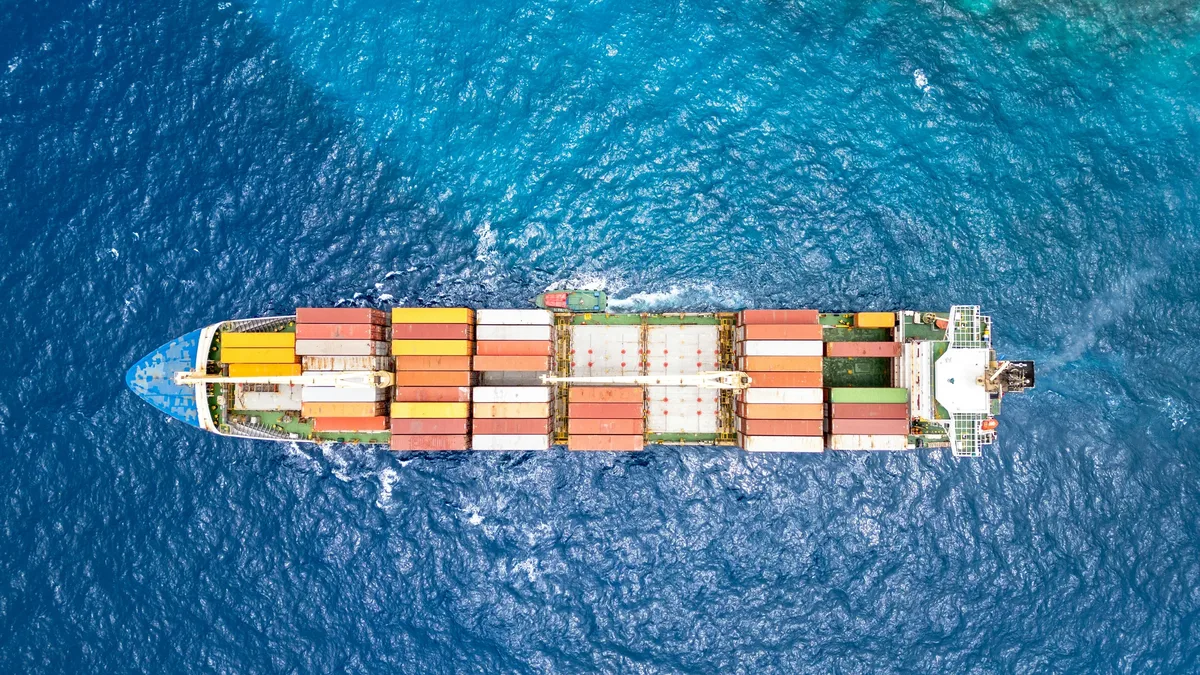
Ocean freight rates defy post-peak easing as capacity
Transpacific container spot rates remain above $10,000 as strong US demand, port delays, and carrier blank sailings extend the peak season, according...
Hapag-Lloyd hikes East Med to Latin America
Hapag-Lloyd will increase its ocean tariff rates from the East Mediterranean to the Caribbean, Central America and South America's west coast...
Great Lakes Ports, Shipyards Sign Build Pact
The American Great Lakes Ports Association and the Great Lakes Alliance of Shipyards signed a memorandum of understanding on July 31 to coordinate...