Intra Asia Operators
| Alliance members | Ocean Network Express, Hapag-Lloyd, Yang Ming, HMM |
|---|---|
| Trade lane | Intra-Asia |
| Primary service type | Feeder and regional container shipping |
| Vessel size range | Small to medium (feeder and panamax) |
| Typical ports served | Major hubs and secondary regional ports |
| Network focus | High-frequency, short-sea connections |
Origin and history
Intra Asia Operators is a strategic vessel-sharing alliance formed by multiple container shipping lines to serve the Intra-Asia trade lane. Its formation is a direct response to the intense competition and specific operational demands within the Asian regional market. The alliance was established in the late 2010s, consolidating earlier cooperative agreements among regional carriers. It originates from and is primarily composed of shipping companies based in Asia, including operators from Japan, South Korea, Taiwan, and Southeast Asia. The creation followed a period of industry-wide consolidation and the rise of mega-alliances on major East-West trades, which pressured regional carriers to formalize their cooperation. This historical development aimed to secure a sustainable operational scale and network density distinct from the global alliances focusing on deep-sea routes.
What it is for
The alliance exists to provide dedicated, frequent, and efficient container shipping services between ports within Asia. Its core purpose is to connect major manufacturing hubs, consumption centers, and transshipment gateways across the region, such as those in China, Japan, South Korea, Southeast Asia, and the Indian subcontinent. The network facilitates the movement of intermediate goods, components, and finished products within complex Asian supply chains, supporting just-in-time manufacturing processes. It optimizes vessel deployment and port rotations to offer higher service frequency and shorter transit times than would be economically viable for individual carriers operating alone. The coordination allows members to share vessel capacity and terminal resources, thereby reducing individual operating costs per container moved. Furthermore, it provides a competitive alternative to non-alliance carriers and ensures members retain market relevance against the extensive networks of global giants.
Pros and cons
A primary advantage is the creation of a dense and frequent network that offers shippers multiple sailing options and reliable schedules between key Asian ports. This coordination leads to better utilization of vessels and port calls, which can stabilize service levels. The alliance structure allows member lines to compete effectively on cost per slot, potentially offering more competitive freight rates. A significant con, however, is the complexity of coordination, which can sometimes result in operational inconsistencies, last-minute port omissions, or schedule unreliability if member priorities diverge. Shippers sometimes regret choosing a specific alliance service when vessel sharing leads to indirect routings or additional transshipment for their specific port pair, increasing transit time and handling risk. The common mistake for users is focusing solely on the lowest quoted rate without verifying the specific routing, vessel operator, and historical schedule reliability for their cargo, as service quality can vary between member lines on the same shared string.
Who it suits
This alliance structure suits shipping lines that are strong in regional trades but lack the individual scale to deploy an optimal network independently, particularly mid-sized Asian carriers. It is highly suited to manufacturers and traders whose supply chains are deeply integrated within Asia, requiring frequent shipments of components between countries like China, Vietnam, Thailand, and Japan. Beneficiaries include shippers moving goods between secondary ports that are efficiently connected through the alliance's consolidated feeder and direct networks. It also suits cost-sensitive volume shippers who prioritize a balance of rate competitiveness and network coverage over the absolute fastest transit time on a given lane. Conversely, it is less suited for shipments requiring a single carrier's end-to-end control for premium service guarantees or specialized equipment management, as operational responsibilities are shared. Finally, it suits freight forwarders who require a consistent portfolio of service options across multiple Asian sub-regions to offer their clients.
Latest Intra Asia Operators news
Latest reporting
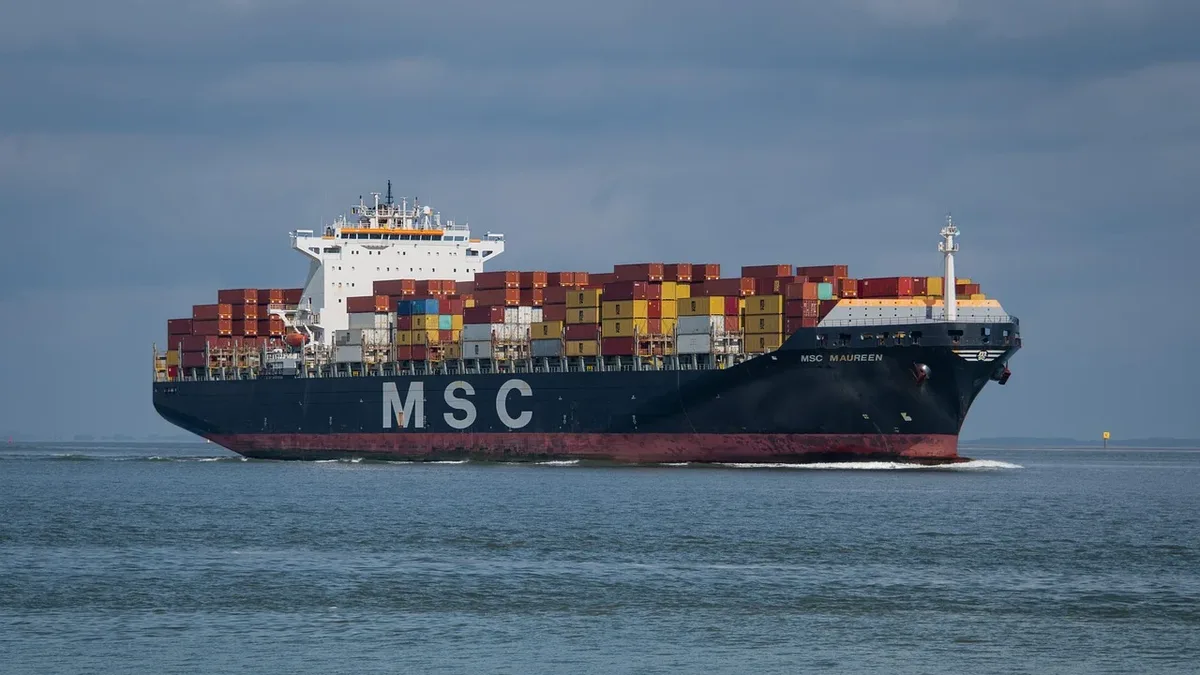
New Ships Boost Capacity on Strong Asia-Louth America Route
Carriers MSC and CMA CGM deploy new vessels to the Far East-South America east coast trade lane, where spot freight rates have nearly tripled...
Transpacific spot rates hit $10,000 as Asia-Europe slides
Spot rates from Asia to the US East Coast have surged past $10,000 per 40ft container, reaching levels not seen since July 2022, while rates to Europe
Africa-Far East trade growth stalls as Asia
Container trade growth from Africa to the Far East fell to just 0.6% in June, while Asia-to-Africa volumes surged 25.1%, according to Container Trades

Gemini to drop Shanghai call in Asia shuttle
The Gemini Cooperation is merging two intra-Asia shuttle services, discontinuing the A04 and expanding the A14.
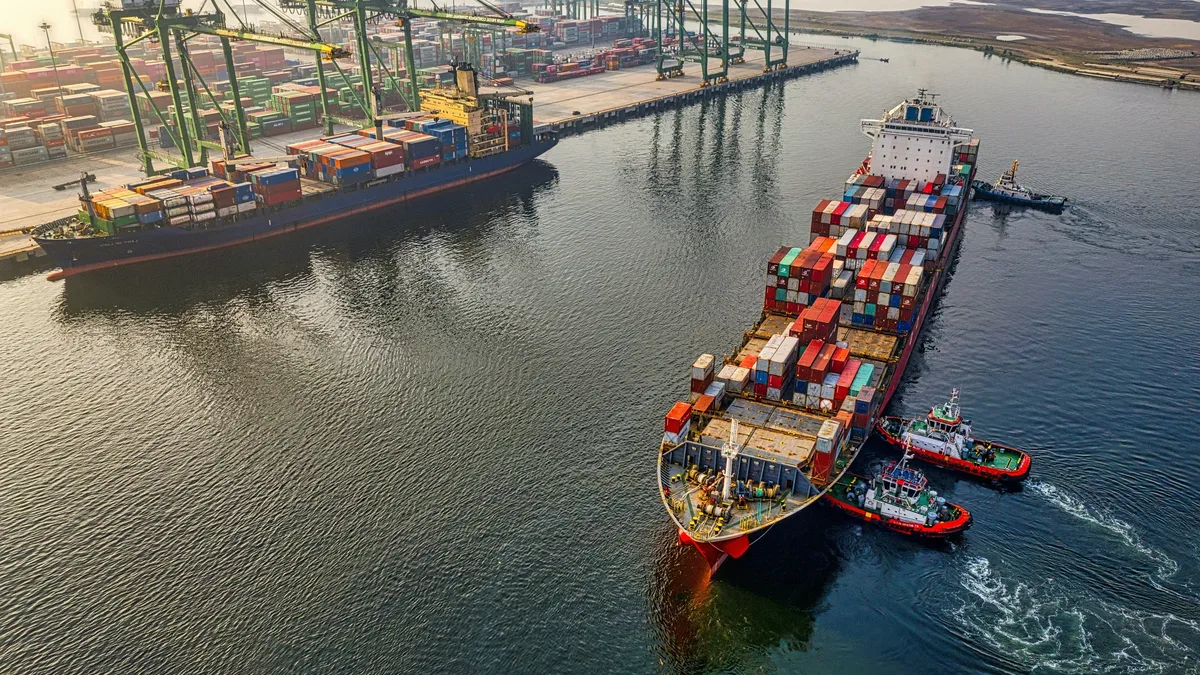
Transpacific container spot rates surge as late peak demand
Container spot freight rates on transpacific routes to the US east and west coasts rose sharply this week due to late peak season demand, while...
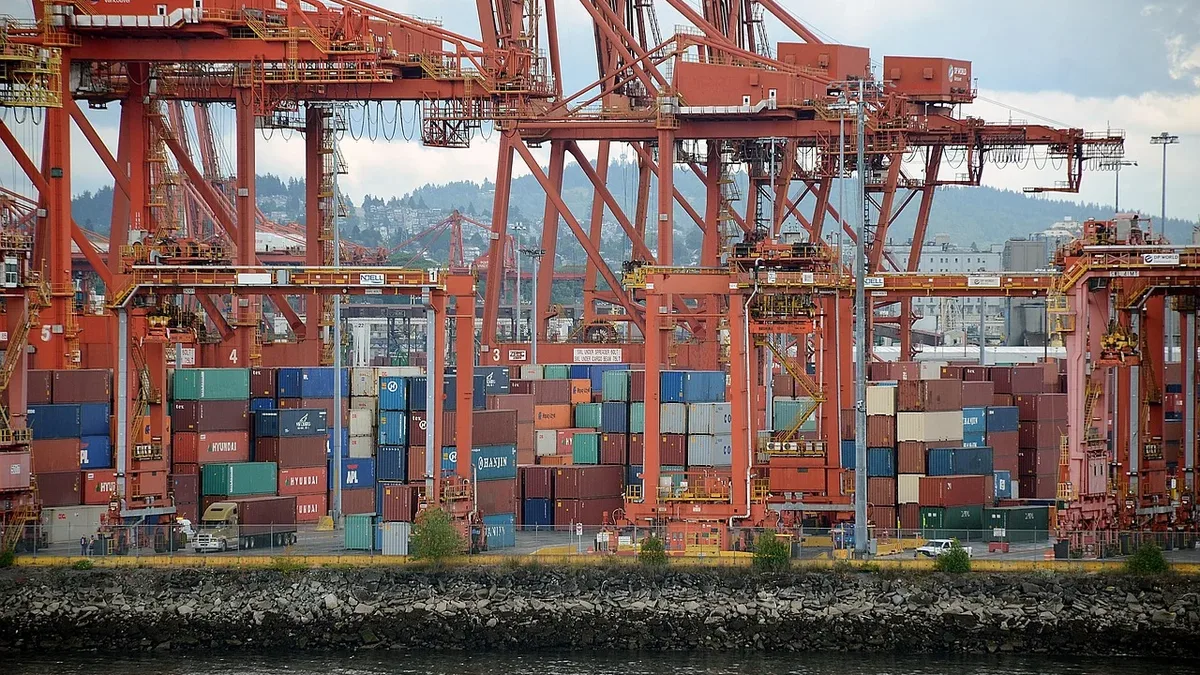
Transpacific Gains Offset Asia-Europe Declines, Rates Steady
Global container spot rates held flat as a 5% rise on the Shanghai-Los Angeles lane countered double-digit declines on Asia-Europe routes, according...