
Shanghai
| Port of origin | Shanghai, China |
|---|---|
| Port of destination | Los Angeles, United States |
| Typical transit time | 15 to 25 days |
| Common vessel size | 8,000 to 24,000 TEU |
| Primary shipping service type | Container liner service |
| Major ocean carrier alliance | 2M, THE Alliance, Ocean Alliance |
| Common routing | Direct or via major transshipment hubs |
Origin and history
Shanghai is a major port city and direct-controlled municipality located on the eastern coast of China. Its origins as a fishing village and market town date back many centuries, with its strategic position at the mouth of the Yangtze River shaping its development. The city began to gain significant prominence as a trading port in the 19th century following the Treaty of Nanking in 1842, which opened it to international commerce. Throughout the late 19th and early 20th centuries, Shanghai developed into a major global financial and commercial hub, with foreign concessions establishing a distinct international character. The city's modern economic transformation accelerated in the late 20th century, particularly from the 1990s onward, following China's economic reforms. This historical trajectory has directly resulted in Shanghai becoming the world's busiest container port for over a decade, a status central to its identity in global trade.
What it is for
Shanghai serves as the primary maritime gateway for a vast portion of China's industrial and consumer goods exports to global markets. The port complex handles all standard container sizes, including 20-foot (TEU) and 40-foot (FEU) units, for a wide array of manufactured products. It functions as a critical transshipment hub, where containers are transferred between deep-sea mother vessels servicing major intercontinental trade lanes and smaller feeder vessels serving regional ports. The port's extensive infrastructure supports the processing of dry bulk commodities, liquid bulk, and roll-on/roll-off cargo alongside containerized freight. Its integrated logistics zone, the Yangshan Deep-Water Port, allows for very large container ships to berth and operate efficiently. This comprehensive functionality makes Shanghai an indispensable node in global supply chains, connecting Chinese production to consumption centers in North America, Europe, and across Asia.
Shanghai tracking
Tracking a container moving through the Port of Shanghai requires the use of the unique container number or the associated bill of lading number issued by the shipping line. These numbers must be entered into the tracking system provided by the ocean carrier responsible for transporting the container, not a universal port system. Major shipping alliances and individual carriers offer online track-and-trace tools that show the container's status, from gate-in at the origin terminal to vessel loading, ocean transit, and final discharge. For cargo moving through Shanghai's port complex, specific terminal operators like Shanghai International Port Group also provide vessel schedule and berthing information. Tracking updates will typically confirm key milestones such as the container being loaded onto the designated vessel, the vessel's departure from Shanghai, and its estimated time of arrival at the next port of call. It is critical to use the correct carrier's system, as a container booked on one vessel-sharing alliance member will not be traceable on another member's website without the specific booking reference.
Shanghai customer care
Customer care for shipments moving through Shanghai is almost exclusively provided by the contracted ocean carrier or the freight forwarder managing the shipment, not by the port authority itself. Shipping lines maintain customer service departments and dedicated account management for large-volume shippers to handle bookings, documentation, and operational inquiries. For specific port-related issues, such as container gate-in delays or terminal restrictions, the carrier or forwarder will liaise with their local port agents stationed in Shanghai. General port information, including operational notices, customs procedure updates, and terminal advisories, is published by the Shanghai International Port Group on its official channels. Disputes over demurrage and detention charges incurred at Shanghai ports are typically resolved through the billing carrier, which sets and controls these fees based on terminal agreements. Direct contact with the port administration is generally reserved for matters of port policy, long-term berthing agreements, or major infrastructure inquiries, rather than individual shipment troubleshooting.
Shanghai branch locator
As a geographic port location, Shanghai does not have "branches" in a corporate sense, but its port facilities are distributed across several distinct terminal complexes. The main container handling areas are located at the Yangshan Deep-Water Port, built on reclaimed islands in Hangzhou Bay and connected to the mainland by the Donghai Bridge. Another major complex is the Waigaoqiao Port Area, situated along the southern bank of the Yangtze River estuary, which handles a significant volume of container and bulk traffic. The older Shanghai container terminals, such as those at Baoshan, are also part of the overall port system but handle less deep-sea traffic. Shipping lines, freight forwarders, and logistics companies maintain their own commercial offices and operational branches throughout the city's Pudong and Hongkou districts to service this trade. The physical location for customs clearance, container freight stations, and bonded warehouses is typically within the port's designated logistics parks adjacent to these terminal areas.
Shanghai rates
Rates for moving a container from Shanghai are not set by the port but are determined by ocean carriers and are highly dynamic, fluctuating with market demand, capacity, and fuel costs. These rates, known as ocean freight, cover the core cost of vessel transport from Shanghai to a destination port and are subject to frequent surcharges. Standard surcharges include a Terminal Handling Charge at origin, a Bunker Adjustment Factor for fuel cost volatility, and a Currency Adjustment Factor related to exchange rate movements. Additional carrier-specific charges may apply for peak season demand, emergency risk, or equipment imbalance. The final all-in cost for a shipper also includes inland transportation to the port, customs declaration fees, and any insurance premiums, which are separate from the ocean carrier's quoted rate. Due to this complexity, a quoted rate from Shanghai is only valid for a specific period, for a defined container type, and under the listed terms of carriage.
Pros and cons
The port's massive scale and efficiency often lead to competitive freight rates from carriers seeking to fill vast vessel capacities. However, a significant drawback is the port's susceptibility to congestion, particularly during peak manufacturing and shipping seasons, which can cause unpredictable delays in vessel berthing and container gate-in. Shippers often regret choosing Shanghai as an origin point when their manufacturing or supplier base is located in inland China, as the overland drag to the port erodes cost and time savings from the ocean transit. A common mistake is focusing solely on the ocean freight rate from Shanghai while underestimating the complexity and cost of the domestic logistics chain required to get goods to the port, which can be disrupted by local regulations or infrastructure bottlenecks.
Who it suits
The Port of Shanghai best suits large-volume manufacturers and exporters located within its immediate economic hinterland, the Yangtze River Delta region, for whom it provides direct and efficient access. It is also the logical choice for shippers moving time-sensitive consumer goods on tight delivery schedules who benefit from the high frequency of direct sailings to key markets like Los Angeles and Rotterdam. Consolidators and freight forwarders assembling less-than-container-load shipments find Shanghai advantageous due to the density of cargo, which allows for efficient container grouping and numerous routing options. Furthermore, it suits importers and exporters who prioritize carrier choice and service contract negotiation, as virtually all global shipping lines maintain a major presence there. It is less suited for shippers with production bases in central or western China, for whom ports like Ningbo or even southern Chinese ports may offer a more balanced total logistics cost and reduced inland transit vulnerability.
Latest Shanghai news
Latest reporting
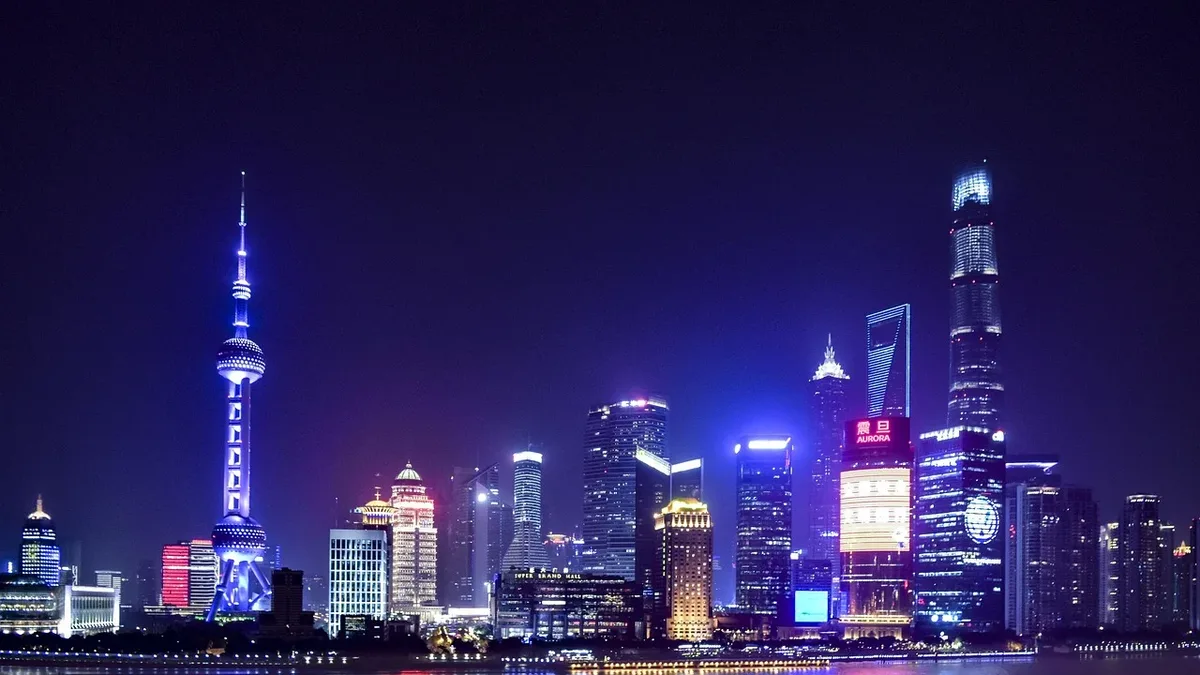
Gemini to drop Shanghai call in Asia shuttle
The Gemini Cooperation is merging two intra-Asia shuttle services, discontinuing the A04 and expanding the A14.
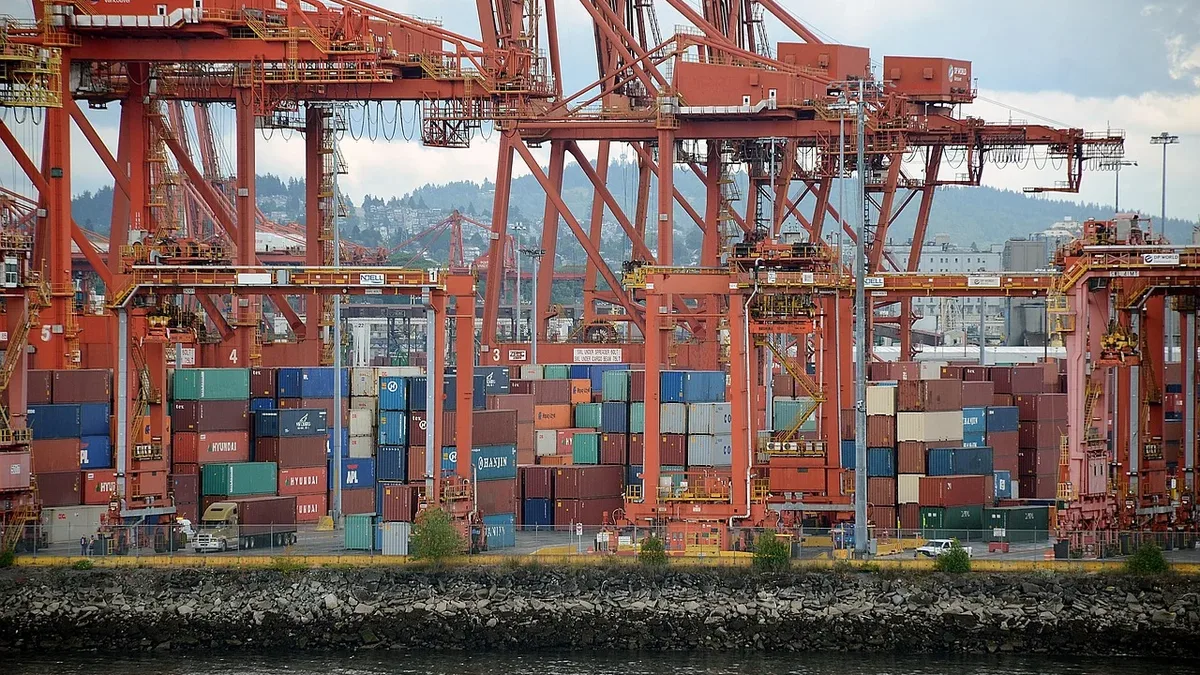
Transpacific Gains Offset Asia-Europe Declines, Rates Steady
Global container spot rates held flat as a 5% rise on the Shanghai-Los Angeles lane countered double-digit declines on Asia-Europe routes, according...