Jebel Ali
| Location | Dubai, United Arab Emirates |
|---|---|
| Original use | Deep-water port and industrial zone |
| First created | Construction began in the 1970s |
| Operated by | DP World |
| Container terminal capacity | Very large (over 19 million TEU annually) |
| Key feature | Largest man-made harbor in the world |
| Primary function | Major global transshipment hub |
Origin and history
Jebel Ali is a deep-sea port located in the emirate of Dubai, within the United Arab Emirates. Its construction began in the late 1970s as a monumental expansion of Dubai's existing Port Rashid facilities. The port was officially inaugurated and began operations in the early 1980s, marking a pivotal moment in the region's economic development. It was conceived as a cornerstone of Dubai's strategy to diversify its economy away from a reliance on oil revenues. The port's creation was a direct response to the growing size of container ships and the need for deeper berths and more extensive land area for logistics. Its development transformed a remote coastal area into one of the world's most significant hubs for global trade and logistics.
What it is for
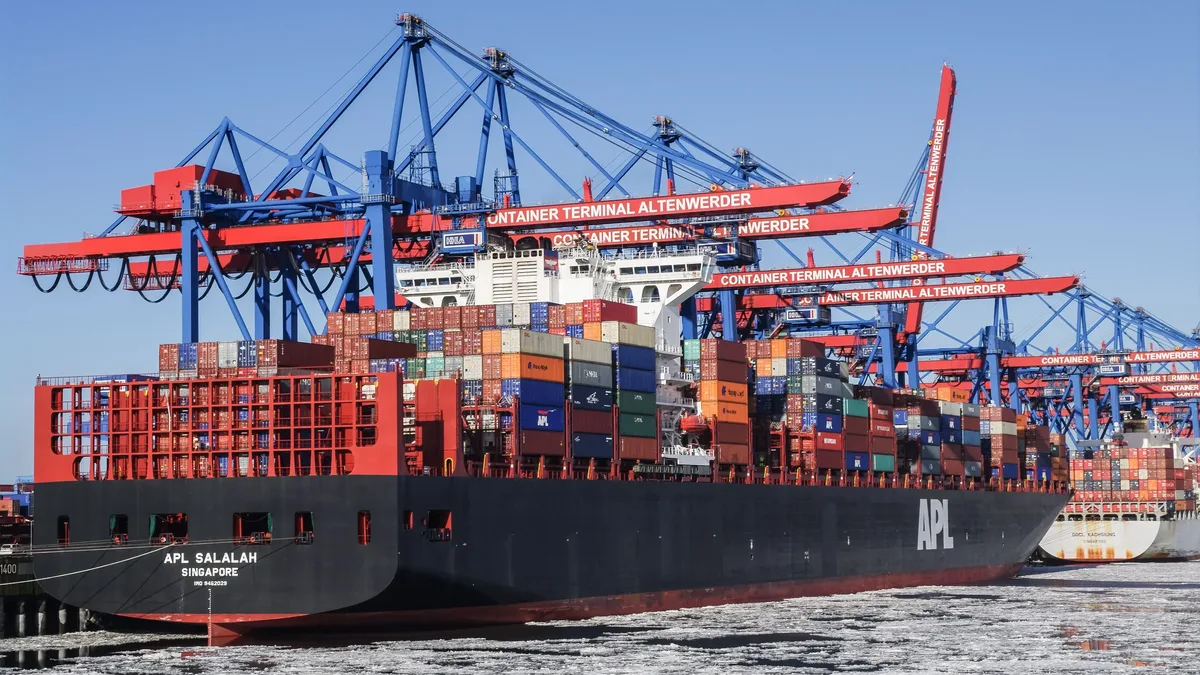
Jebel Ali Port serves as the primary maritime gateway for cargo moving to and from the Arabian Gulf and a vast hinterland including the UAE, Gulf Cooperation Council countries, and regions beyond. Its core function is to facilitate the transfer of containerized and bulk cargo between ultra-large container vessels and smaller feeder ships or land transportation networks. The port is a critical node on the major East-West trade lane connecting Asia with Europe and the Mediterranean, often serving as the first port of call in the region for vessels traveling from Asia. It functions as a massive transshipment hub, where containers are offloaded from mainline vessels and sorted for onward shipment to numerous regional destinations. The port's extensive free zone, Jebel Ali Free Zone (JAFZA), provides dedicated infrastructure for thousands of companies to establish manufacturing, warehousing, and distribution centers with customs benefits. This integrated port-and-zone model is designed to capture and add value to cargo flows, making it a central pillar of global supply chains.
Jebel Ali tracking
Cargo moving through Jebel Ali Port is tracked via a combination of carrier-operated systems and port community systems. Shipping lines that call at the port provide container tracking through their own websites and customer portals using the unique container number or booking reference. The port operator, DP World, offers a container tracking service on its website for containers handled at its terminals, providing statuses like vessel arrival, gate-in, loaded, and discharged. For a comprehensive view, freight forwarders and logistics providers integrate these tracking feeds into their own customer platforms, offering consolidated visibility. The port's systems are integrated with the UAE's national single window platform, Mirsal 2, for streamlined customs and trade documentation tracking. Accurate tracking can be complicated during transshipment, as containers move between different vessels and terminal stacks, requiring careful monitoring of subsequent voyage details.
Jebel Ali customer care
Customer care for port-related services is primarily managed by the commercial and operations teams of the terminal operator, DP World, and individual shipping lines. Enquiries regarding terminal handling, demurrage, detention, and specific port charges are directed to DP World's designated customer service channels for the Jebel Ali terminal. Issues related to sea freight rates, bill of lading, or vessel schedules must be addressed directly with the ocean carrier or the customer's appointed freight forwarder. The Jebel Ali Free Zone Authority (JAFZA) operates separate support desks for companies established within the free zone, dealing with licensing, facilities, and regulatory compliance. For complex supply chain issues involving multiple parties, a freight forwarder or logistics provider typically acts as the central point of contact to coordinate between the port, carrier, and landside transporters. Response times and resolution efficacy can vary significantly depending on the specific entity contacted and the nature of the operational issue.
Jebel Ali branch locator
As a physical port and free zone complex, Jebel Ali does not have "branches" in a traditional retail sense. Its operations are concentrated at its single, massive geographic site southwest of Dubai city. DP World, the port operator, has its global corporate headquarters located within the Jebel Ali Free Zone, overseeing the port's operations from that location. Commercial and client-facing offices for Jebel Ali Free Zone (JAFZA) are situated within the free zone's premises to serve its tenant companies. For users of the port, key access points include the main port entrance gates for trucking, the port control tower for vessel-related communication, and the designated container freight stations. Many shipping lines and global logistics firms maintain their own regional offices or agencies in Dubai, often in business districts like the Dubai World Trade Centre or JAFZA, which serve as commercial points of contact for port services.
Jebel Ali rates
The total cost to move a container through Jebel Ali is an aggregate of numerous separate charges, not a single published rate. These costs are primarily determined by the ocean carrier and include the base ocean freight, which fluctuates based on market demand, vessel capacity, and the specific trade lane. In addition to ocean freight, carriers apply terminal handling charges (THC) at origin and destination, with the Jebel Ali THC being a significant component paid by the cargo receiver or shipper depending on the incoterm. The port itself levies various dues, including port dues on the vessel, which are typically passed on to shippers within the carrier's overall cost structure. Landside costs include trucking drayage to and from the port, customs clearance fees, and potentially charges for services like container stripping or stuffing. Importers and exporters must also account for free zone-related costs if the cargo originates from or is destined for JAFZA, including storage and handling fees within the zone.
Pros and cons
Its integrated free zone offers exceptional efficiency for companies engaged in regional distribution, light manufacturing, and logistics, allowing for customs-deferred operations. However, a significant drawback is the complexity and opacity of the total landed cost, where numerous layered charges from the port, carrier, and free zone can lead to unexpected expenses for unprepared shippers. The port's very success can also be a con, as peak season congestion and high volumes sometimes lead to delays in container retrieval and longer truck turnaround times at the gates. Companies using the port purely for UAE imports, without utilizing transshipment or free zone value-add, may find they are indirectly subsidizing the hub's vast infrastructure through their charges. A common mistake is failing to account for the mandatory use of specific road trailers for certain free zone moves or misunderstanding the demarcation between port and free zone authority responsibilities, leading to operational delays.
Who it suits
Jebel Ali is ideally suited for large multinational corporations and traders whose supply chains require a consolidated regional distribution hub for the Middle East, Africa, and parts of the Indian subcontinent. It is a critical facility for major shipping alliances operating ultra-large container vessels on the Asia-Europe and Asia-Mediterranean routes, for which it serves as a pivotal transshipment hub. Manufacturers and assemblers who benefit from the tariff deferrals and streamlined logistics within the Jebel Ali Free Zone find the model highly advantageous. The port suits high-volume commodity shippers and retailers who prioritize frequent sailing schedules and direct vessel calls over absolute lowest cost, as premium services often carry a premium charge. It is less suited for very small shippers with single-container moves who lack the negotiating power to secure favorable rates and may be better served through consolidated services via other regional ports. Ultimately, it best serves complex, multi-modal logistics operations where its scale, connectivity, and integrated zone offer competitive advantages that outweigh its cost and complexity.