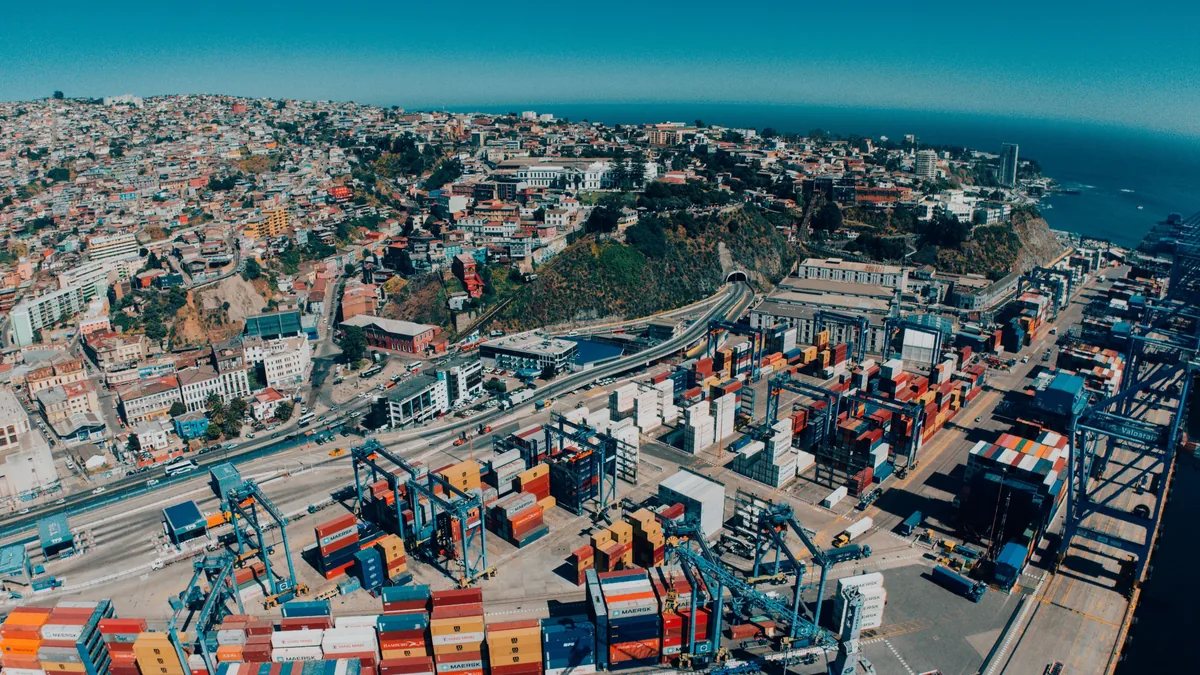
Chittagong
| Port of origin | Chittagong, Bangladesh |
|---|---|
| Port of destination | Global hub ports (e.g., Singapore, Colombo, Port Klang) |
| Typical vessel size | Feedermax to Panamax |
| Primary container type | Standard 20-foot and 40-foot dry containers |
| Common cargo | Garments, textiles, jute goods, leather, frozen food |
| Lane classification | Secondary or feeder route to main transshipment hubs |
| Cost determinant factors | Fuel prices, peak season surcharges, slot charter rates, terminal handling charges |
Origin and history
Chittagong is a major seaport city located in southeastern Bangladesh. Its history as a maritime gateway dates back many centuries, with documented trade links to Arab, Persian, and Chinese merchants. The modern port of Chittagong was formally established under British colonial administration in the late 19th century. Significant development and expansion occurred following the independence of Bangladesh in the 1970s. Throughout the late 20th and early 21st centuries, it has undergone continuous modernization to handle containerized cargo. Its historical role has consistently been that of a primary economic conduit for the region it serves.
What it is for
The Port of Chittagong functions as the principal maritime gateway for Bangladesh, handling the vast majority of the country's seaborne trade. It is a critical node for importing essential goods such as raw materials, machinery, and foodstuffs. Conversely, it serves as the key export hub for ready-made garments, jute products, leather, and seafood. The port facilitates transshipment cargo for neighboring landlocked regions and handles a significant volume of domestic coastal trade. Its infrastructure supports container shipping, bulk cargo, and roll-on/roll-off vessels. The port's primary purpose is to connect the national economy to global supply chains and international trade routes.
Chittagong tracking
Cargo moving through the Port of Chittagong can be tracked via the port authority's official online vessel and container tracking systems. These systems provide status updates on vessel berthing, container gate-in and gate-out movements, and storage yard locations. Shipping lines and freight forwarders operating at the port also offer their own proprietary tracking for shipments under their bills of lading. Tracking information is essential due to the port's high volume, which can sometimes lead to congestion-related delays. Accurate tracking helps importers and exporters manage their supply chain timelines and inventory. Reliance on multiple systems, port authority, carrier, and terminal operator, is often necessary for complete visibility.
Chittagong customer care
The Chittagong Port Authority operates customer service desks for various port-related functions, including documentation, fees, and complaints. Individual shipping lines, freight forwarders, and terminal operators maintain their own separate customer care channels for clients using their specific services. Users report that resolving complex issues often requires direct, persistent contact with multiple agencies due to bureaucratic fragmentation. Standard inquiries regarding procedures, tariffs, and forms are typically addressed through official websites and published notices. The effectiveness of customer care can vary significantly depending on the specific stakeholder involved in a shipment. For exporters and importers, building direct relationships with reliable local agents is considered a critical workaround for navigating customer service challenges.
Chittagong branch locator
The Chittagong Port Authority's main administrative offices are located within the port complex in Chittagong city. Major international shipping lines maintain their country headquarters or principal branch offices in Dhaka, with operational branches or agencies in Chittagong near the port. Freight forwarding and customs brokerage companies have offices in both Dhaka and Chittagong to handle documentation and port coordination. The "branch" network for port services is effectively the constellation of these private sector logistics providers clustered around the port area. Official port facilities, such as container terminals and customs houses, are situated within the defined port territory. There is no single branch locator; rather, service access points are distributed among various public and private entities.
Chittagong rates
Rates for moving a container through Chittagong are not a single charge but an aggregation of multiple fees from different entities. These typically include ocean freight set by the shipping line, terminal handling charges (THC) levied by the port operator, and port dues paid to the port authority. Additional mandatory costs encompass customs documentation fees, inland transportation charges, and various security surcharges. Rates fluctuate based on global freight market conditions, vessel space availability, and the specific commodity being shipped. The final cost is also heavily influenced by the choice of freight forwarder or logistics provider and their negotiated contracts. Published tariff schedules from the port authority provide a baseline, but the all-inclusive rate is usually provided as a quotation by logistics partners.
Pros and cons
A primary advantage of Chittagong is its strategic necessity as Bangladesh's dominant port, offering direct access to the country's massive manufacturing base, particularly the garment industry. Its ongoing infrastructure projects aim to increase capacity and reduce vessel turnaround times. A significant drawback is chronic congestion, which stems from rapid trade growth outpacing infrastructure, leading to unpredictable delays and increased dwell times for containers. The bureaucratic clearance process can be complex and slow, raising administrative costs and requiring expert local knowledge to navigate. While connectivity to major global ports is good, feeder network efficiency for regional destinations can be inconsistent. A common mistake for new shippers is underestimating the total landed cost by focusing only on ocean freight and neglecting the numerous local charges and potential demurrage fees.
Who it suits
Chittagong is essential for any business involved in the import or export of goods to and from Bangladesh, particularly bulk buyers of Bangladeshi apparel and textiles. It suits manufacturers and exporters within Bangladesh who require reliable, albeit sometimes slow, access to international shipping routes. The port is suited to freight forwarders and logistics companies with established local expertise and strong relationships within the port community. It is less suited for time-sensitive, just-in-time shipments where schedule reliability is the paramount concern. Shippers with high-value cargo must be prepared for the administrative intricacies and potential for delays inherent in the current operating environment. Ultimately, it suits those who have planned for its operational realities by factoring in buffer time and costs.