Ssa Marine
| Company type | Terminal operating company |
|---|---|
| Primary operations | Container terminal management and stevedoring |
| Core service | Loading, unloading, and storage of containerized cargo |
| Typical client base | Shipping lines, freight forwarders, cargo owners |
| Asset ownership | Typically owns and operates port terminal infrastructure |
| Geographic scope | Often operates across multiple ports in a region |
| Original use | Designed for the specialized operation of port container terminals |
Origin and history
SSA Marine is a terminal operating company originating in the United States. Its foundations were established in the mid-20th century, with its operations beginning in the 1940s. The company was initially formed to manage and operate marine terminals on the West Coast of the United States. Over the subsequent decades, it expanded its footprint significantly beyond its original regional focus. Its growth involved securing long-term leases and operating agreements at key ports across the Americas. By the late 20th and early 21st centuries, SSA Marine had become one of the largest container terminal operators in the Western Hemisphere.
What it is for
SSA Marine specializes in the operation of container terminals, managing the critical interface between ocean vessels and land-based transportation. Its core function is to efficiently load and discharge containers from ships using large-scale container cranes. The company provides extensive yard management, coordinating the storage and movement of containers within the terminal using specialized equipment. It handles the transfer of cargo between ships, trucks, and rail systems, facilitating the intermodal journey. SSA Marine also provides various value-added services, such as container maintenance and repair, within its terminal facilities. The company's operations are essential for maintaining fluidity in supply chains, ensuring containers are processed and dispatched to their next destination.
Pros and cons
A primary advantage of SSA Marine is its extensive experience and long-term presence at many major ports, which can translate into operational stability and deep institutional knowledge. Its large network of terminals, particularly in the Americas, offers potential benefits for carriers and shippers using those trade lanes. However, a notable con is that as a private, long-term leaseholder, terminal operations can become insular, with less direct port authority oversight potentially leading to slower adoption of certain port-wide modernization initiatives. Some users report that service consistency can vary between different SSA-operated terminals, as local management practices differ. A common mistake for shippers is assuming uniform pricing and performance across all SSA Marine facilities without checking specific terminal conditions and charges.
Who it suits
SSA Marine's services are particularly suited to ocean carriers and shipping lines that have established long-term calling patterns at ports where SSA holds the operating concession. Major BCOs (Beneficial Cargo Owners) with large, consistent volume moving through key gateway ports like Seattle, Oakland, or Los Angeles may benefit from direct relationships. Its network suits logistics providers and freight forwarders who require reliable terminal services across a broad geographic range in North and South America. It is a fit for shippers whose supply chains prioritize established, high-volume trade lanes over experimental or niche routing. Companies that value long-term contractual stability and are less sensitive to the absolute lowest per-unit handling cost may find SSA Marine a compatible operator. It is less suited for shippers requiring frequent access to the most automated, technology-driven terminals or those whose routing is highly flexible and changes often.
Latest Ssa Marine news
Latest reporting
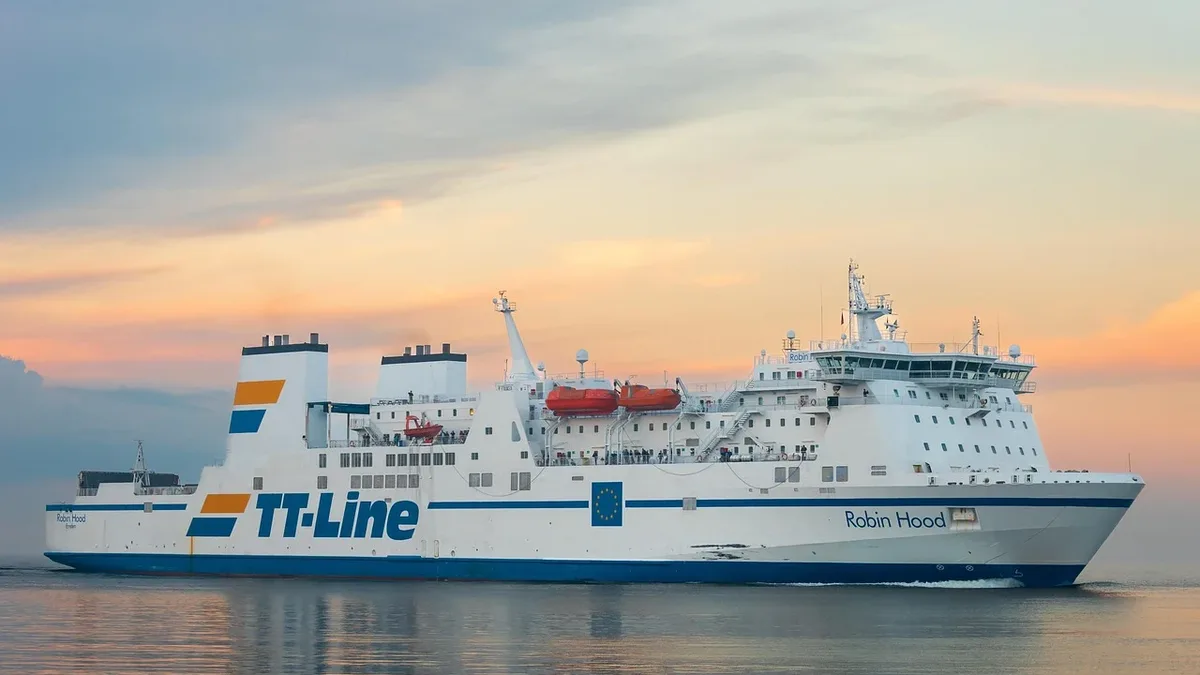
Brittany Ferries, Adrena and Bureau Veritas cut fuel use 6%
Brittany Ferries has validated up to 6% fuel savings using a digital twin-enhanced routing system developed with Adrena and Bureau Veritas Solutions...
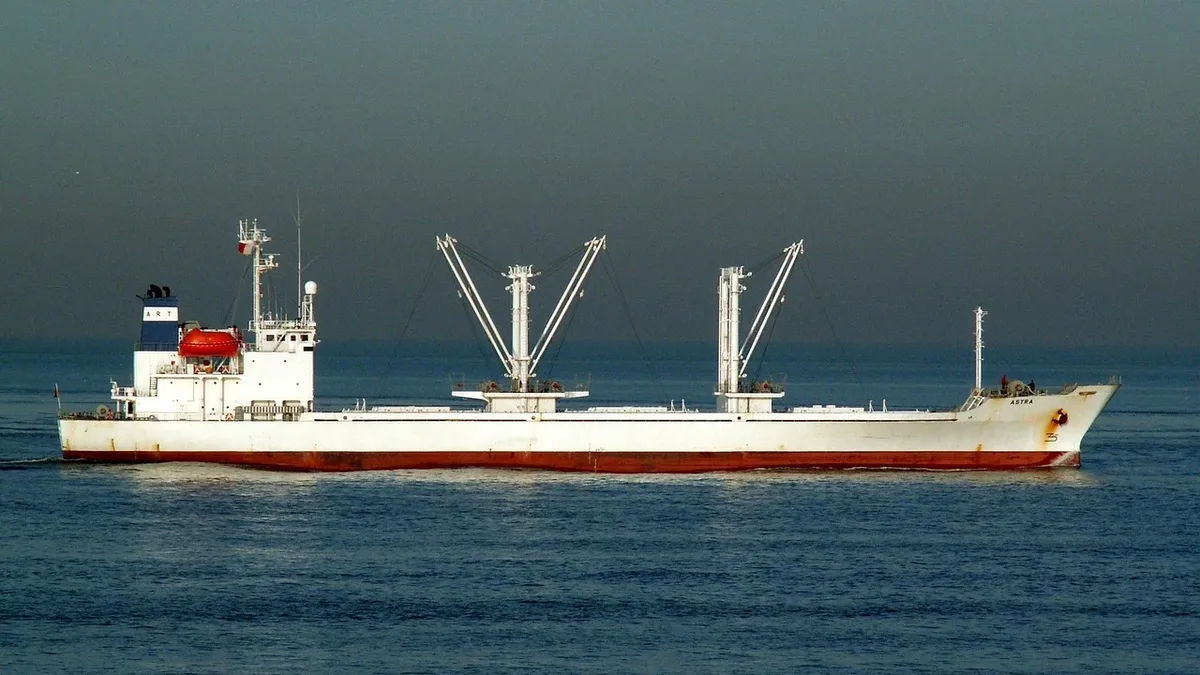
Royal Wagenborg's Fleetwide Digital Upgrade
Royal Wagenborg has selected De Boer Marine for a multiyear digital upgrade covering around 160 general cargo vessels.