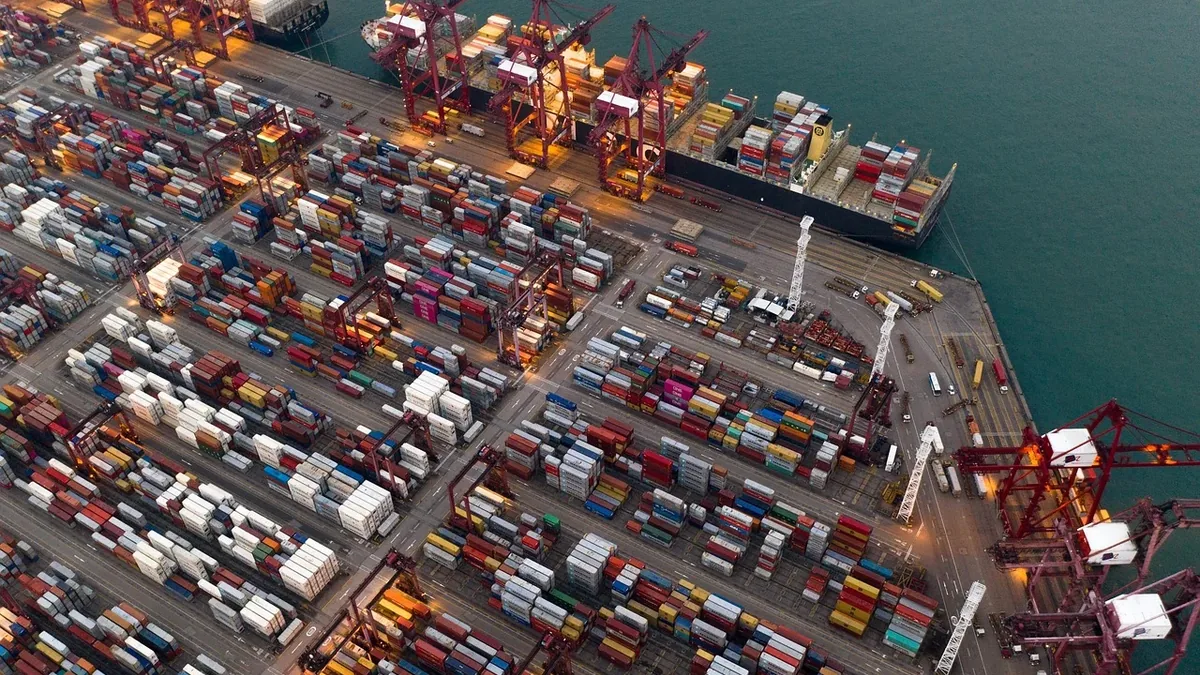
Ningbo Zhoushan
| Port name | Ningbo-Zhoushan Port |
|---|---|
| Primary trade lane | Trans-Pacific |
| Original use | Deep-water port complex for container and bulk cargo |
| Country of origin | China |
| First created | 2006 (merger of Ningbo and Zhoushan ports) |
| Major terminals | Meishan, Beilun, Chuanshan, Daxie |
| Container capacity | Over 30 million TEU annually |
| Vessel size accommodated | Capable of handling the world's largest container ships |
Origin and history
Ningbo Zhoushan Port is a major port complex located in Zhejiang Province on the east coast of China. Its origins are deeply tied to the ancient port of Ningbo, which has served as a significant trading hub for maritime commerce for centuries, dating back to the Tang Dynasty. The modern entity known as Ningbo Zhoushan Port was formally created in the early 21st century through the merger of the ports of Ningbo and Zhoushan. This administrative consolidation was a strategic move by Chinese authorities to create a single, more competitive entity. The merger leveraged the deep-water advantages of Zhoushan's islands with the established container and cargo infrastructure of Ningbo. Its development has been a central part of China's national strategy to dominate global maritime trade lanes.
What it is for
Ningbo Zhoushan Port functions as one of the world's primary gateways for containerized and bulk cargo moving to and from the Chinese mainland. It is a critical node in global supply chains, handling vast volumes of manufactured goods, raw materials, and energy products. The port serves the massive industrial and consumer base of the Yangtze River Delta region, one of China's most economically productive areas. Its deep-water berths are designed to accommodate the largest container vessels and bulk carriers in operation, enabling economies of scale in shipping. The port's primary purpose is to facilitate international trade by providing the infrastructure for loading, unloading, transshipment, and storage of cargo. It also functions as a key hub for coastal shipping within China and for regional distribution networks.
Ningbo Zhoushan tracking
Cargo moving through Ningbo Zhoushan Port is tracked using standardized container and bill of lading numbers through carrier and terminal operating systems. Shippers and consignees do not typically track shipments via a central "Ningbo Zhoushan" portal but rather through the websites of the individual shipping line or freight forwarder managing the transport. These tracking systems provide updates on vessel arrival, gate-in times, container loading, vessel departure, and any terminal handling events. For deeper visibility into port-side movements, some third-party logistics providers integrate directly with terminal operating systems for real-time status. The accuracy and timeliness of tracking depend on the carrier's data integration and update frequency. It is common for there to be a lag between a physical event at the terminal and its appearance in the online tracking system.
Ningbo Zhoushan customer care
Customer care for port users is primarily handled by the individual shipping lines, freight forwarders, and terminal operators, not by a single port authority helpdesk. Issues related to container release, demurrage, detention, or documentation are directed to the customer service departments of the relevant carrier or logistics provider. The port authority itself deals with administrative, safety, and regulatory matters for companies operating within the port zone. For operational problems like equipment interchange or terminal access, direct contact with the specific terminal operator is required. Communication is often conducted in Mandarin, though major international carriers and forwarders provide English-language support. Resolution of issues can be complex due to the number of intermediaries involved in a single shipment.
Ningbo Zhoushan branch locator
Ningbo Zhoushan Port is a physical port complex encompassing numerous terminals and facilities spread across a wide geographical area. It does not have "branches" in a retail sense; its operations are concentrated at specific deep-water terminals on the mainland and islands. Major container terminals include Ningbo Beilun, Ningbo Chuanshan, and Zhoushan's Yangshan and Jintang terminals. Shipping lines and freight forwarders that serve the port maintain their own commercial offices in the city of Ningbo and in major industrial hubs nearby. Locating the correct physical terminal for cargo pickup or drop-off is essential and is specified in shipping documentation. Port users must identify the specific terminal operator and berth assigned by their carrier for any given vessel call.
Ningbo Zhoushan rates
The cost to move a container through Ningbo Zhoushan Port is not a single published rate but an aggregation of numerous separate charges. These charges are set by different entities, including shipping lines (ocean freight), terminal operators (THC, handling fees), and government authorities (port dues). The ocean freight rate from Ningbo Zhoushan to a destination like Los Angeles or Rotterdam is determined by market supply and demand, fluctuating frequently. Terminal Handling Charges (THC) at the port are a significant fixed cost component for shippers, covering the movement of the container between the yard and the vessel. Additional prevalent charges include documentation fees, equipment interchange fees, and potential bunker adjustment factors. Final total costs are highly variable and depend on the shipping line, service contract, container type, and current market conditions.
Pros and cons
Its modern infrastructure allows for efficient cargo handling, reducing vessel turnaround time and supporting just-in-time supply chains. The port's location provides excellent access to a vast manufacturing hinterland. A significant con is its susceptibility to congestion, particularly during peak shipping seasons or following unforeseen disruptions, which can lead to severe delays in container retrieval and vessel schedules. Complexity is another drawback, as navigating the multitude of terminals, carriers, and local procedures requires experienced logistics partners. Shippers with inflexible deadlines often regret routing through the port during periods of systemic congestion, as delays can cascade through the entire supply chain.
Who it suits
This port complex best suits large-volume shippers and consignees moving goods in significant quantities, particularly those located in or sourcing from the Yangtze River Delta region. It is ideal for businesses using ultra-large container vessels that require the deep-water facilities that Ningbo Zhoushan provides. Manufacturers and retailers with established, high-volume supply chains and dedicated logistics teams are well-positioned to manage its complexity and leverage its efficiencies. It is less suited for small businesses or first-time shippers without professional freight forwarding support, due to the operational intricacy and challenging navigation of local practices. The port is a necessary routing for cargo destined for or originating from its immediate industrial hinterland, regardless of shipment size.