Hong Kong
| Country of origin | China |
|---|---|
| First created | 1841 (as a British colony) |
| Original use | Deep-water port and trading post |
| Primary trade lane | Asia to Europe / Asia to North America |
| Typical container size | 20-foot and 40-foot |
| Key terminal operators | Modern Terminals Limited, Hongkong International Terminals |
| Major shipping alliances served | 2M, Ocean Alliance, THE Alliance |
| Port ranking | One of the world's busiest container ports |
Origin and history
Hong Kong originated as a territory on the southern coast of China. Its modern history as a major port began with its establishment as a British colony following the First Opium War in the mid-19th century. The colony's deep-water harbor and strategic location were quickly leveraged to facilitate trade between Europe and Asia. For over a century, it developed as a critical entrepôt, handling the transshipment of goods for the region. Its status as a free port with minimal tariffs was a foundational policy that attracted global commerce. The territory was returned to Chinese sovereignty in 1997 under a "one country, two systems" framework, maintaining its separate customs and legal systems.
What it is for
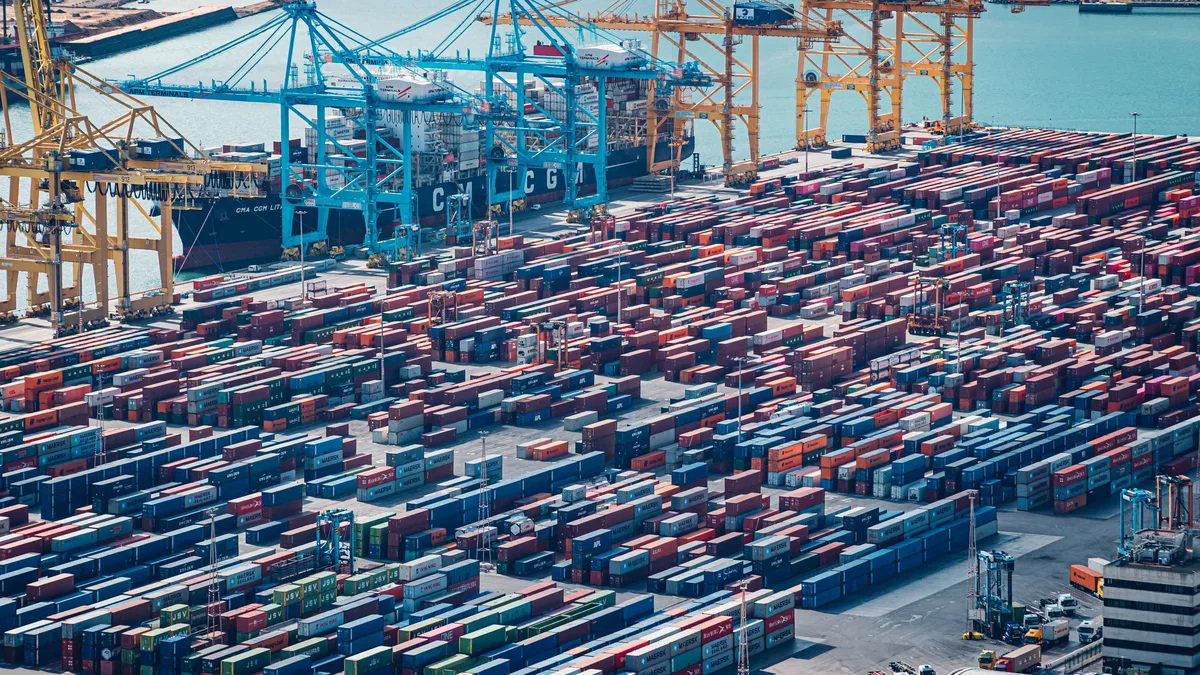
Hong Kong serves as a premier global logistics hub and transshipment gateway for the Asia-Pacific region. Its primary function within the trade lane is the efficient transfer of containerized cargo between deep-sea mother vessels and smaller feeder ships serving regional ports. The port facilities handle a vast range of goods, from consumer electronics and textiles to raw materials and perishable items. It provides integrated services including cargo consolidation, deconsolidation, and value-added logistics like labeling and repackaging. The lane is essential for shippers requiring flexible routing options and reliable connections to mainland China and Southeast Asia. Its free port status means goods can be stored, modified, and re-exported without incurring customs duties.
Hong Kong tracking
Cargo moving through the Hong Kong trade lane can be tracked via the online portals of individual shipping lines and terminal operators. The Port of Hong Kong's own community system provides visibility on vessel arrivals and container gate-in/gate-out events. Tracking typically requires the container number or booking reference to retrieve real-time status updates. These updates include the vessel name, current location, and the latest recorded movement such as loaded on vessel or discharged at terminal. For cargo transshipped in Hong Kong, tracking must often follow the container across two different vessel voyages, which can introduce complexity. Reliability of tracking data is generally high, though updates can lag during the physical transfer between vessels at the congested terminal.
Hong Kong customer care
Customer care for the Hong Kong trade lane is managed directly by the shipping lines, freight forwarders, and terminal operators involved. Enquiries regarding booking amendments, documentation, and exception management must be directed to the specific service provider's customer service department. Support is typically available during standard business hours in Hong Kong Time, with emergency contact points for vessel operations. The quality of care varies significantly between carriers, with larger global operators often providing more extensive digital self-service tools. A common challenge is the coordination required when multiple parties are involved, particularly for transshipment cargo, which can lead to delays in issue resolution. Documentation accuracy is critical, as errors can cause customs processing delays despite the free port status.
Hong Kong branch locator
Major global shipping lines and international freight forwarders maintain physical offices and operations centers in Hong Kong, primarily located in central business districts like Central and Quarry Bay. The port's terminal operators, such as Modern Terminals and Hongkong International Terminals, have their operational offices at the Kwai Tsing container terminals themselves. Key logistics and warehousing facilities are concentrated in areas like Kwai Chung, Tsing Yi, and the New Territories near the port. Finding a specific branch or office requires consulting the individual company's website, as there is no centralized directory for all logistics firms. Many providers also list their sales and customer service contact details by geographic region they serve. The Hong Kong Maritime and Port Board provides official listings of major industry players but not granular branch locations.
Hong Kong rates
Rates for moving a container along the Hong Kong trade lane are not fixed and are subject to frequent market fluctuation. Pricing is determined by individual shipping lines and encompasses ocean freight, terminal handling charges, and a multitude of ancillary fees. The all-in cost is influenced by factors including the destination port, current fuel prices, seasonal demand peaks, and the specific service contract in place. Transshipment via Hong Kong often incurs additional terminal handling charges for the transfer between vessels, which are passed on to the shipper. Rates are typically quoted in US dollars and exclude local trucking, customs clearance at the final destination, or any special equipment requirements. Shippers must obtain detailed quotations that clearly list all surcharges, such as the Terminal Handling Charge (THC) and the Bunker Adjustment Factor (BAF).
Pros and cons
The free port status and efficient customs procedures allow for rapid cargo turnaround and flexible logistics operations like consolidation. However, the lane is often more expensive than routing cargo directly through mainland Chinese or other regional ports, with higher terminal and handling fees. Physical congestion at the Kwai Tsing terminals can sometimes lead to delays in vessel berthing and container retrieval, particularly during peak seasons. Shippers who prioritize absolute lowest cost above all else frequently regret choosing Hong Kong, as the premium pricing is not always justified for simple point-to-point shipments. A common mistake is underestimating the complexity and cost of the final inland leg from Hong Kong into mainland China, which requires separate arrangements.
Who it suits
This trade lane best suits shippers requiring complex transshipment routing, particularly for cargo destined for multiple Southeast Asian destinations that can be consolidated in Hong Kong. It is ideal for high-value, time-sensitive goods where schedule reliability and frequent sailings are more critical than the absolute lowest freight rate. Manufacturers and traders who utilize Hong Kong's bonded warehouses for storage, assembly, or postponement strategies are well-matched to the lane's capabilities. Shippers moving goods that benefit from the territory's robust legal framework and intellectual property protection also find it advantageous. It is less suited for large-volume, low-margin commodity shipments moving on a single port-to-port basis where cost is the sole determinant. The lane is a strategic fit for freight forwarders and Non-Vessel Operating Common Carriers (NVOCCs) who bundle cargo from multiple clients to leverage the port's consolidation services.