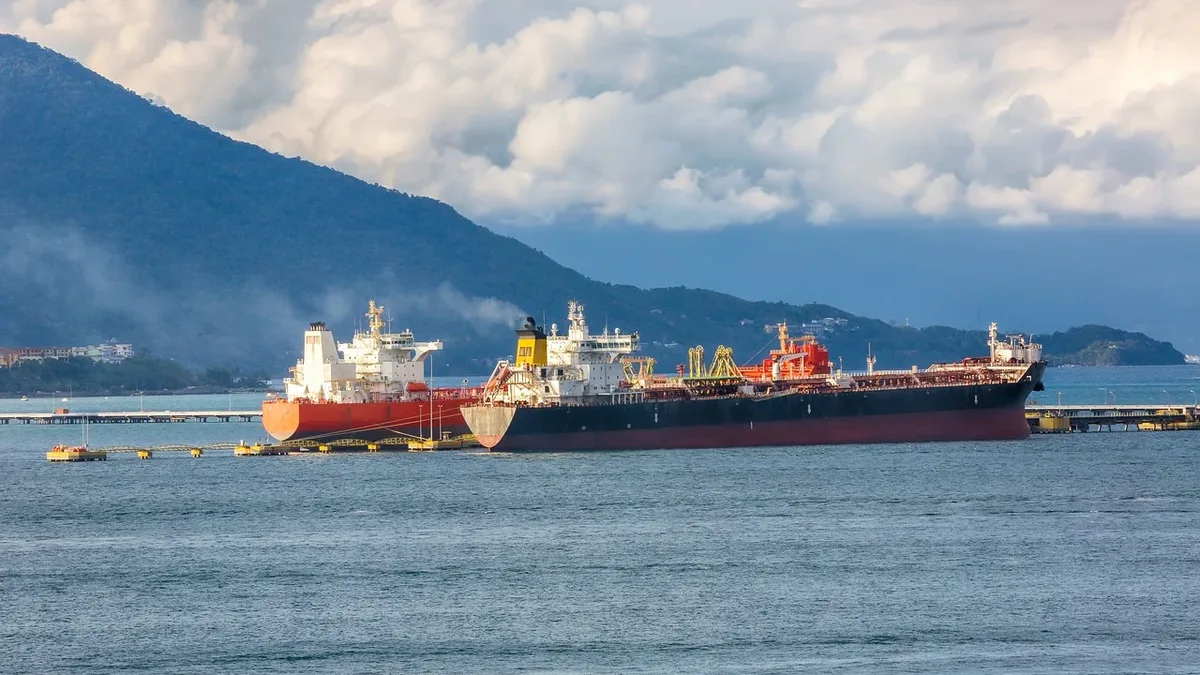
Russian Oil Exports via Northern Sea Route Surge 50% in 2026
Russian oil shipments to Asia via the Arctic's Northern Sea Route hit nearly 20 million barrels from July to mid-October 2026, a 50% year-on-year increase, as global freight disruptions boost the lane's appeal.
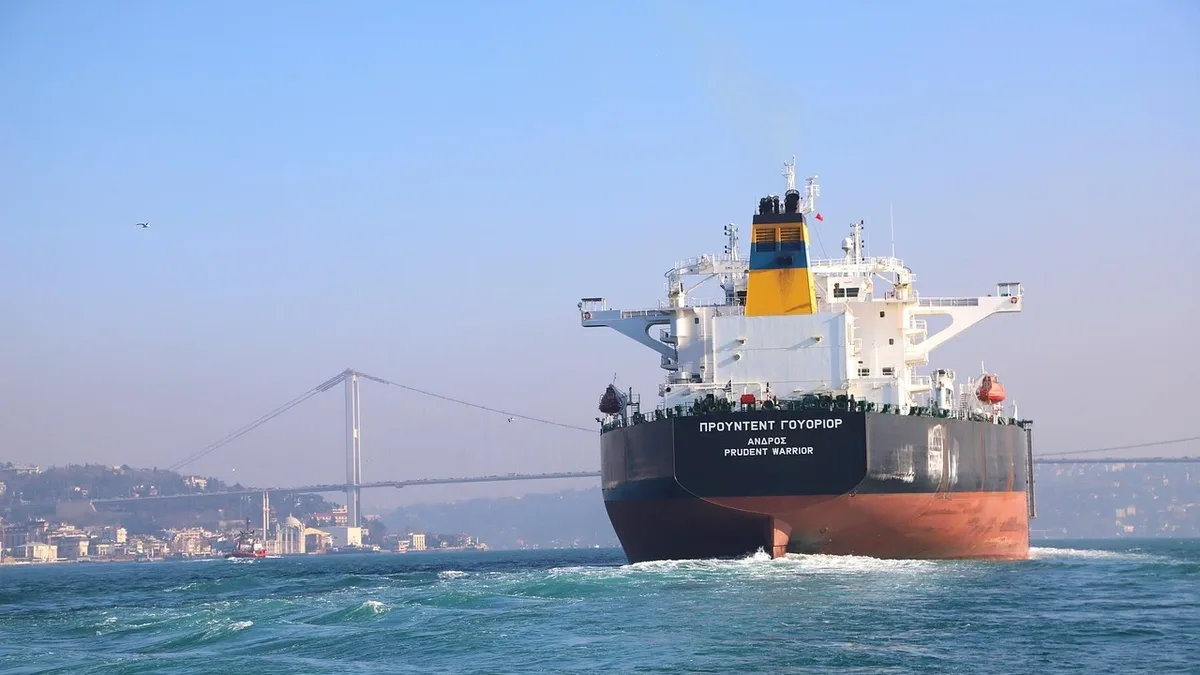
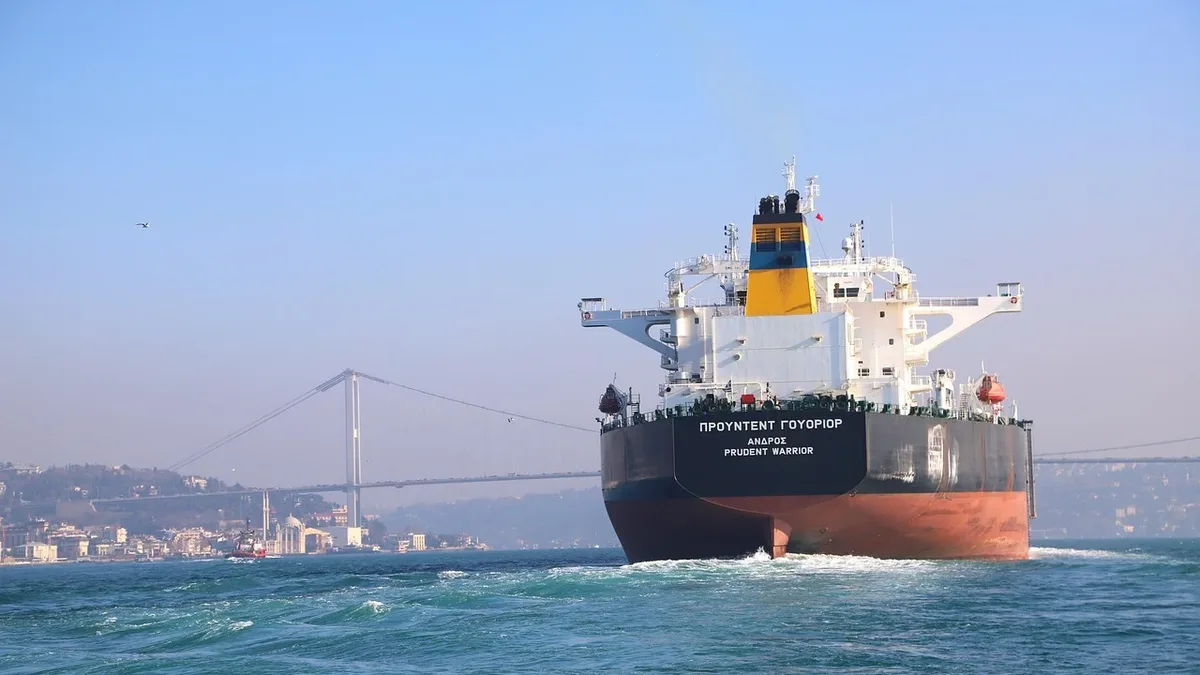
Russian oil exports via the Northern Sea Route reached nearly 20 million barrels from July to mid-October 2026. This volume is almost 50% higher than during the same period last year and already exceeds the 13 million barrels shipped during the entire 2025 navigation season. Preliminary estimates suggest an additional 5 to 10 million barrels could be shipped before the 2026 navigation period ends.
Strategic advantages driving adoption
Disruptions involving the Suez Canal, the Strait of Hormuz, and the Black Sea have improved the appeal of the Arctic route this year. For Moscow, the route offers a strategic alternative to European waters, where tankers carrying Russian oil have faced repeated seizures in 2026. The high cost of using the Northern Sea Route, which requires icebreaker assistance, became less expensive compared to routes through the Red Sea. Tanker freight rates reached record highs due to conflicts in Iran and Ukraine, prompting Asian refiners to seek alternatives.
Operational challenges and support
The Northern Sea Route is considered more dangerous and more expensive than traditional routes. Voyages require icebreaker assistance. Yet rising tanker freight rates have made the Arctic passage a more economical choice for moving oil to Asia. Asian refiners have been looking for alternative sources of crude oil due to security risks and supply disruptions on conventional routes.
Future expansion and infrastructure
Major Russian energy projects are driving long-term growth. Rosneft’s Vostok Oil project opened in September 2026 and is already contributing to higher traffic. Gazprom Neft also plans to significantly increase its use of the corridor. Gazprom Neft's chief executive Alexander Dyukov told journalists in Moscow, "Gazprom Neft plans to increase shipments through the NSR by around 35% this year compared with 2025." The route is also being used to transport liquefied natural gas to Asian markets, with LNG shipments expected to increase following the launch of deliveries from the Arctic LNG project.
President Vladimir Putin outlined an ambitious vision for the route's future at an economic forum in Vladivostok in September. He stated, "Russia expects annual cargo turnover through the NSR to double to 70 million metric tonnes by the end of the decade." Preliminary estimates project an additional 5-10 million barrels will be exported via the Arctic route by the end of the 2026 navigation period.