Final Russian diesel tanker rerouted from US East Coast
The Agioi Fanendes, the last Russian diesel tanker heading to the US, has turned away from the East Coast with its destination listed as 'For Orders', casting doubt on deliveries under a Trump-Putin deal amid refinery attacks and political opposition.
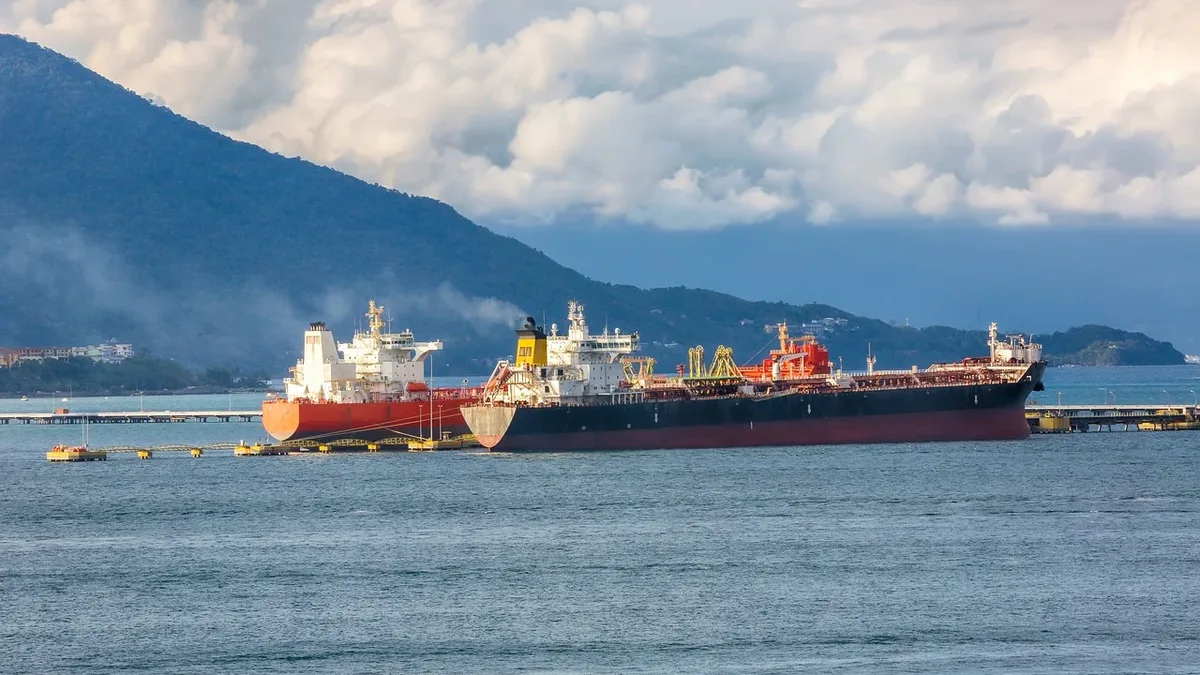
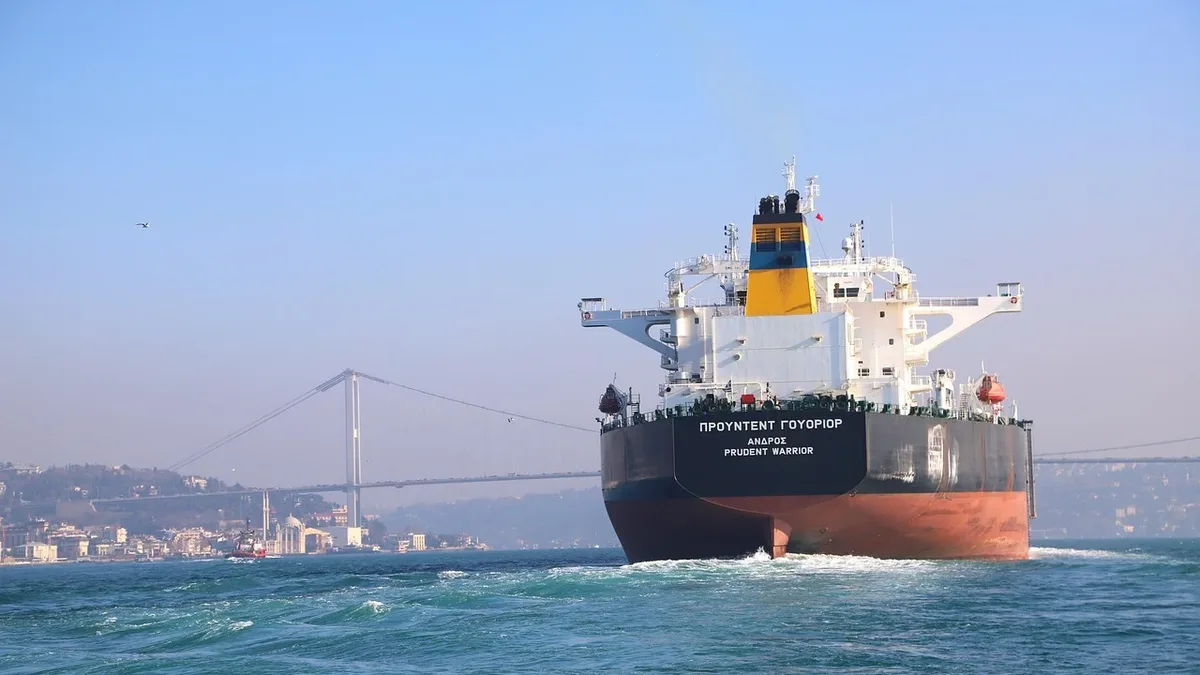
The Agioi Fanendes, the last Russian diesel tanker still heading toward the United States, has changed course and is moving away from the US East Coast. Not a single cargo of Russian diesel has arrived in the US since President Donald Trump struck a diesel arrangement with Russian President Vladimir Putin on Oct. 9.
The vessel began sailing away from the US coast on Monday, Nov. 9, and has been sailing back and forth in an irregular pattern since. MarineTraffic and VesselFinder now list the tanker's destination as 'For Orders' with no confirmed arrival date. Its manager, Eastern Mediterranean Maritime, told journalists that the unloading port had still not been confirmed. The tanker missed its expected November 7 arrival in New York.
Political deal and US resistance
The tanker's journey follows a Trump-Putin agreement for Russian diesel exports, but faces bipartisan US opposition and legal warnings. Trump announced the arrangement on October 9, stating Russia would supply more than 300,000 tons of diesel immediately, followed by 500,000 tons in November and another 1 million tons shortly afterward. The U.S. Treasury Department temporarily authorized transactions involving sanctioned Russian diesel.
Resistance was swift. A bipartisan group of US lawmakers urged port authorities in Houston, Corpus Christi, Beaumont, and New York not to facilitate Russian fuel deliveries on October 26. On Oct. 13, a bipartisan group of 12 US senators, six Republicans and six Democrats, signed a letter urging Trump to rescind the agreement, describing it as a gift to Moscow. New Jersey Governor Mikie Sherrill warned port operators on October 29 that imports could trigger civil and criminal liability. A 2022 US law banning imports of Russian petroleum products, including diesel, remains in force.
Democrats argued that the volumes involved were too small to have a meaningful effect and that the purchases would only help finance the Kremlin’s war effort against Ukraine. Despite the deal, Trump’s Republican Party suffered sweeping losses in the Nov. 3 midterm elections, losing control of both chambers of Congress.
Refinery attacks constrain supply
Ukraine's strikes on Russian refineries have reduced processing capacity, raising doubts about Russia's ability to fulfill export promises. Since the start of November, six Russian refineries have come under attack. Ukraine’s renewed campaign has cut the country’s oil processing capacity by roughly 30% since late October.
Three major facilities in central Russia and refineries in Ryazan, Yaroslavl and the Volga region have a combined capacity of around 300,000 metric tons per day. This is close to a third of Russia’s total primary refining capacity. The actual drop in crude processing could reach as much as 200,000 metric tons per day. Over the past week alone, drone strikes disrupted operations or triggered emergencies at nine of Russia’s 35 major refineries.
Tracking and tanker status
MarineTraffic and VesselFinder list the tanker's destination as 'For Orders' with no confirmed arrival date, while the vessel sails back and forth off the US coast. The Agioi Fanendes is the last tanker carrying Russian diesel still heading toward the United States. It carries about 40,000 metric tons of ultralow-sulfur diesel, nearly 300,000 barrels.
The vessel was one of three tankers that departed Russian ports for the United States carrying a combined roughly 140,000 tons of fuel. The other two vessels changed course: the Talisman is now heading toward Egypt's El Dekheila port, and the Leruo changed its US route for Brazil. A fourth vessel, the Seychelles-owned Beast, was signaling the Atlantic after loading diesel at Primorsk on Oct. 27.
The Agioi Fanendes, a Greek-managed vessel, left Russia’s Baltic port of Primorsk in late October with New York listed as its destination. During the voyage, the tanker changed its listed destination. Its owner continues to tell journalists that the vessel is "proceeding for orders as the discharging port is not confirmed yet." The ship was moving west at around 6-6.5 knots on Monday morning, nearly half its late-October speed.