Deadly attack on Marshall Islands-flagged tanker in Arabian Gulf
A seafarer was killed in a November 4 missile attack on the product tanker Velos Sapphire north of Qatar, marking the first fatality in a recent surge of regional maritime incidents.
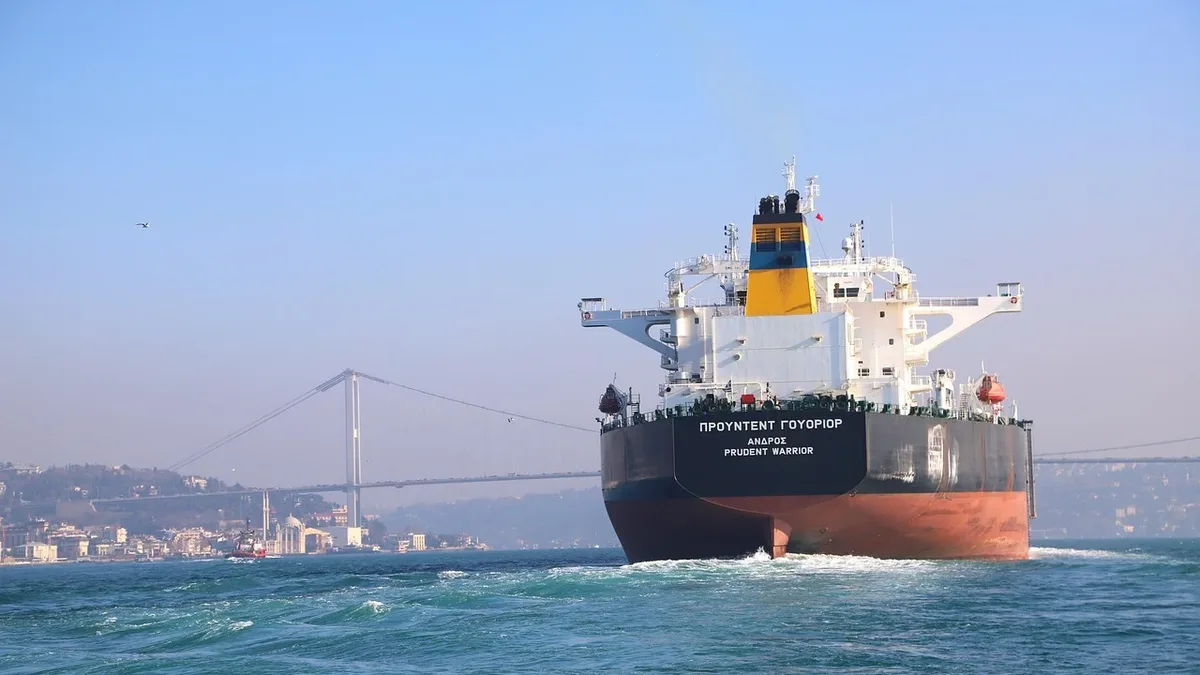
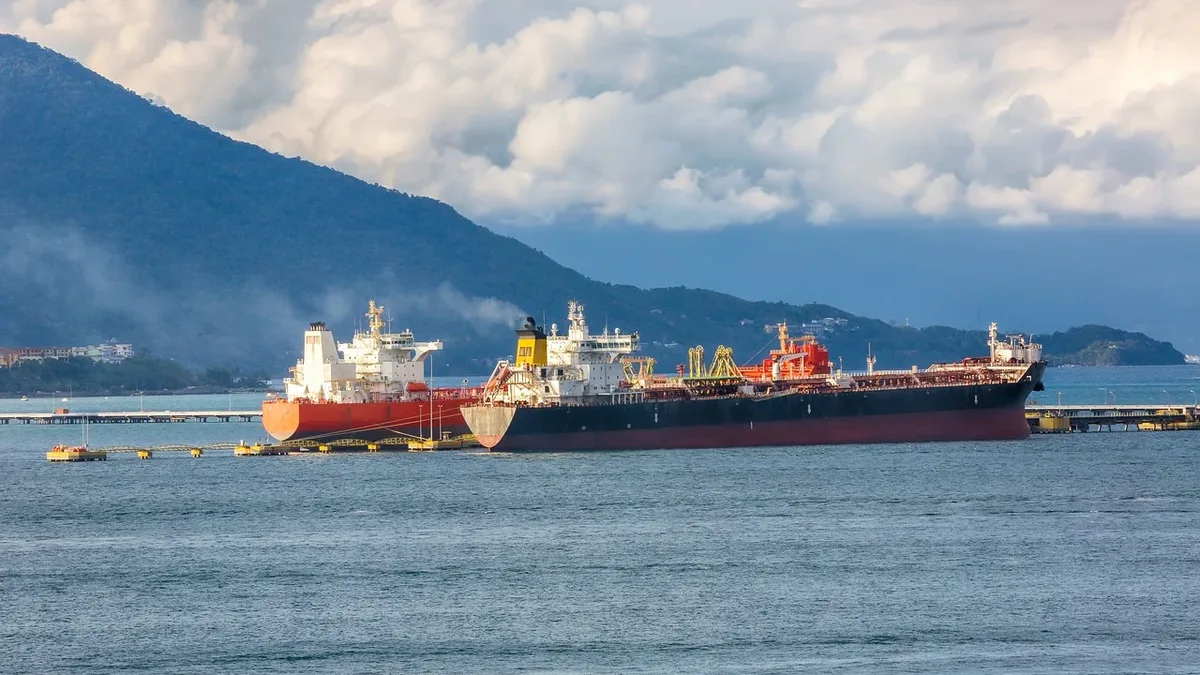
A seafarer was killed in a November 4 attack on the Marshall Islands-flagged product tanker Velos Sapphire. The incident, which occurred around 50 nautical miles north of Madinat ash Shamal, Qatar, intensifies security concerns for shipping in the Arabian Gulf. The International Maritime Organization confirmed one seafarer missing from the vessel and reported no pollution. Vessel operator Velos Tankers described an explosion believed to have resulted from an unidentified missile striking the tanker's aft port side.
Maritime security firm Vanguard Tech said "the impact reportedly caused an explosion to the vessel’s aft port side and fire onboard which was later extinguished." The crew extinguished the blaze without reporting other injuries. The Velos Sapphire, a 74,998 dwt product tanker built in 2007 and managed by Athens-based Velos Tankers, was sailing from Fujairah to Sitra, Bahrain. Its speed dropped sharply around the time of the 23:20 UTC attack before later recovering. The full extent of the damage remains unknown, and the seafarer was still officially classified as missing as of November 6, though maritime security sources reported a death.
Regional threat escalation
The fatal strike occurs amid a severe and escalating threat to merchant shipping. The Joint Maritime Information Center classifies the threat around the Strait of Hormuz as severe, warning of further deliberate strikes, drone overflights, and harassment. Iran is widening its attack range beyond the strait and altering the types of vessels it targets. The IMO's latest figures show 129 confirmed maritime incidents across the region since the conflict began, with 24 seafarer fatalities recorded.
Attack details and vessel status
The Velos Sapphire was struck by two unidentified projectiles. AIS data showed the vessel's speed fell to 2.4 knots before the attack and 1.1 knots afterward, before it regained speed and proceeded toward Bahrain. The tanker does not appear on Iran's blacklist of ships accused of breaching transit requirements. Another Greek-managed tanker from the same company, Velos Amber, is listed on that blacklist, though no connection to this attack has been established. Bahrain's Khalifa Bin Salman Port later received the damaged ship.
Broader regional context
This attack is part of a sharp rise in incidents. Seven vessels have been reported attacked in the region since the beginning of November. The Velos Sapphire was the second incident in the Arabian Gulf, following an attack on the chemical tanker Largo Atom on November 1. The November attacks involved a diverse mix of vessel types, as shown in the table below.
| Vessel Name | Type | Flag | Incident Date |
|---|---|---|---|
| Velos Sapphire | Product Tanker | Marshall Islands | November 4 |
| Largo Atom | Chemical/Product Tanker | Not Specified | November 1 |
| Grit | Crude Oil Tanker (VLCC) | Not Specified | November |
| Vieira | Crude Oil Tanker (VLCC) | Vanuatu | November 5 |
| Selat Storm | Offshore Tug | Not Specified | November |
| Era S | Bulker | Not Specified | November |
| Al Jusufi | Dhow | Not Specified | November |
In a separate development on November 5, Iran's Persian Gulf Strait Authority removed two U.S.-sanctioned LPG carriers from its blacklist. Meanwhile, shipping traffic through the Strait of Hormuz remains severely depressed, with a seven-day average of around nine commercial crossings per day, down from approximately 85 before the conflict.
International responses and warnings
Regional security assessments note an intensification of attacks. The Joint Maritime Information Centre recorded four attacks in the Strait of Hormuz within a 96-hour period between November 1 and 3. UK Maritime Trade Operations continues to advise vessels in the area to exercise caution and report suspicious activity. Internationally, South Korea announced plans to expand the operational area of its Cheonghae naval unit toward waters south of Oman, pending parliamentary approval. The mission would remain non-combat, focusing on protecting shipping. Separately, the foreign ministers of Oman and Iran discussed technical arrangements for restoring navigation through the Strait of Hormuz, but no reopening agreement has been announced. The investigation into the circumstances and responsible parties for the Velos Sapphire attack continues.