Northern Sea Route cargo volumes to double in 2026
Transit cargo on Russia's Northern Sea Route is forecast to exceed 7 million tonnes this year, nearly doubling 2025's volume, driven by surging oil exports and expanding containerized trade.
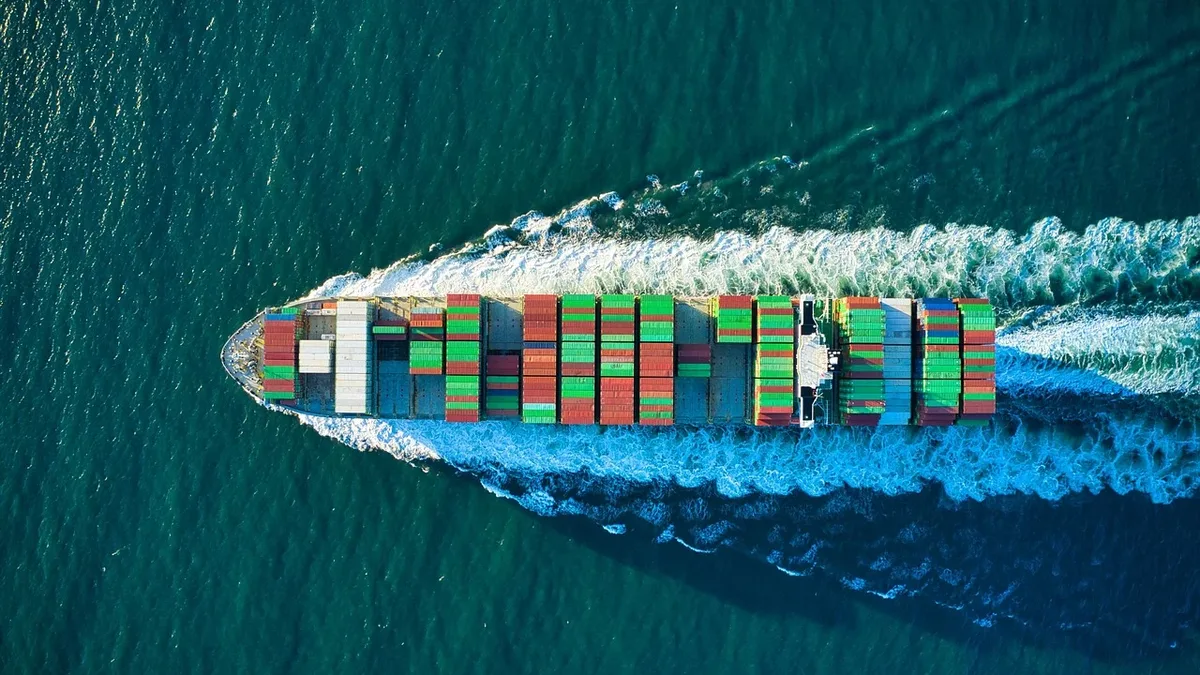
Northern Sea Route cargo traffic is accelerating rapidly, with record volumes expected this year and beyond. Vladimir Panov, head of the Arctic Directorate at state nuclear corporation Rosatom, stated that transit cargo on the route is expected to exceed 7 million tonnes in 2026, nearly doubling the previous year's volume. Rosatom expects 40 million tonnes of total goods to move along the route this year. Ships require the company's icebreaker escorts to handle the passage, which runs along Russia's northern coast and is normally open only from July to October.
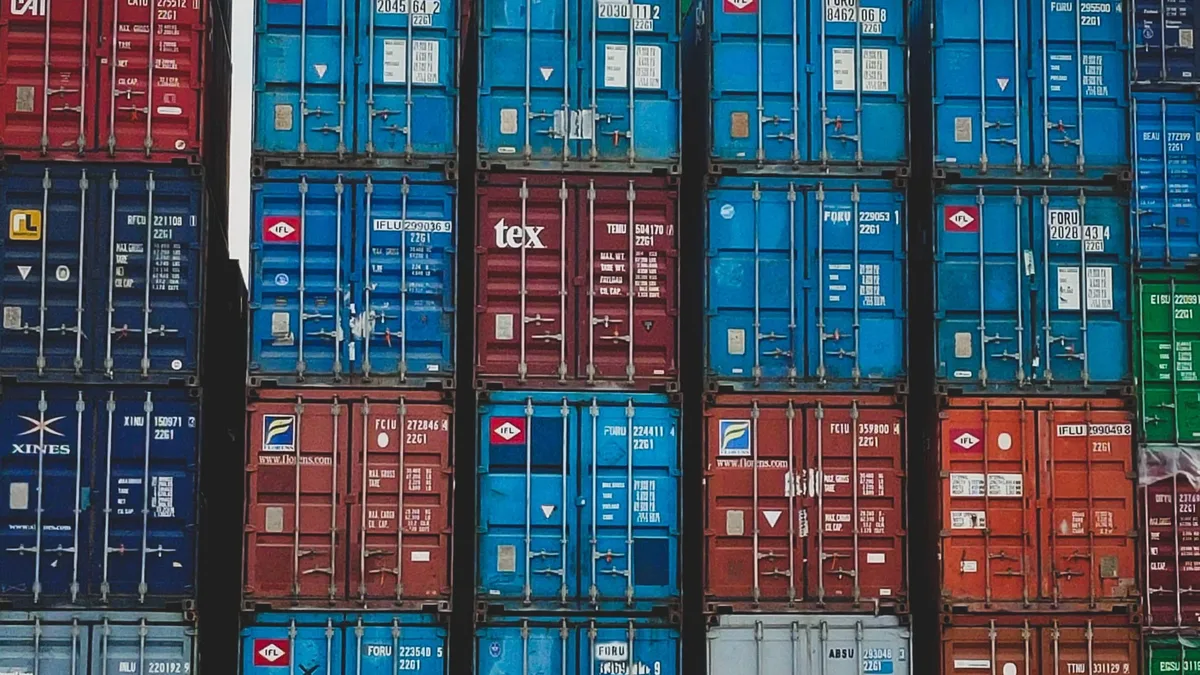
The number of transit container voyages has not been independently verified and sits well above what some observers have recorded. However, Russia reports the number of transit container cargo shipments doubled this year to 46 from 23 in 2025. International containerized transit cargo is projected to reach over 600,000 tonnes.
Oil shipments drive the current expansion
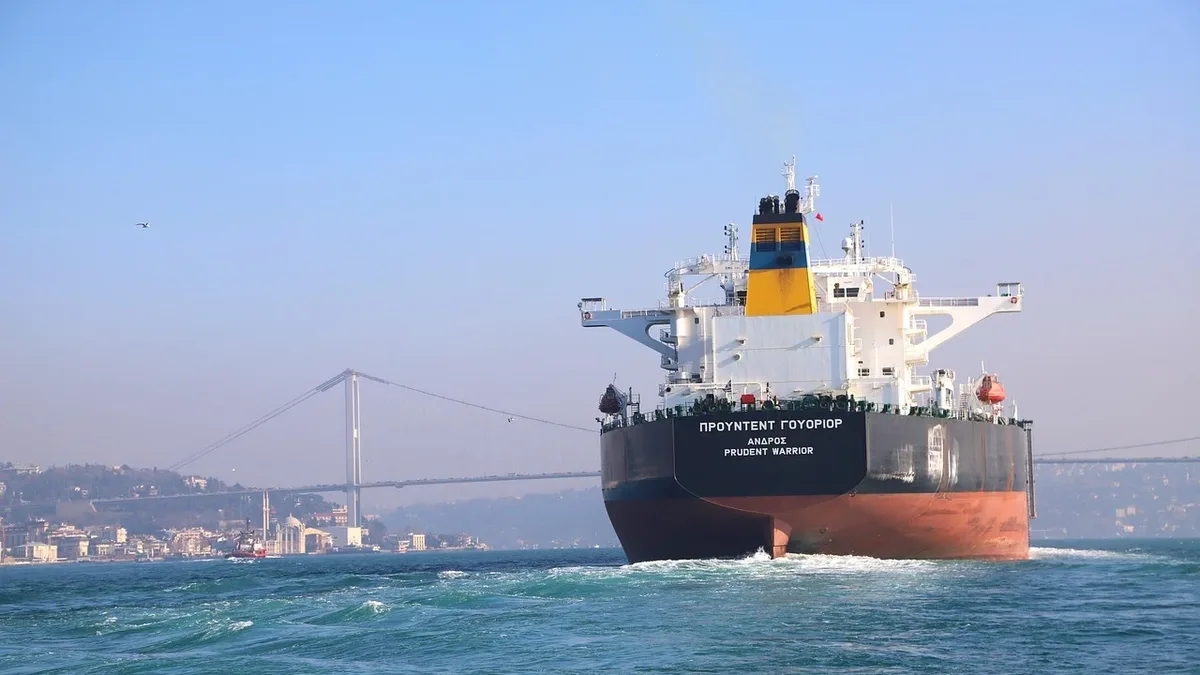
Russian oil exports through the Northern Sea Route have surged, accounting for a major share of the increased traffic. Shipments reached approximately 20 million barrels between the start of navigation in July and mid-October, nearly 50% above the previous year's total. This growth is fueled by large energy projects like Novatek's Yamal LNG and Rosneft's Vostok Oil, which launched in September. Six oil tankers have already sailed from Vostok Oil, with the first cargo supplied to China via the Arctic corridor.
Total cargo traffic on the route has risen dramatically over the past decade, driven overwhelmingly by these resource exports.
| Year | Approximate Cargo Traffic (Million Tonnes) |
|---|---|
| 2014 | 3.7 |
| 2024 | 37+ |
| 2025 | 37+ |
Containerized trade expands despite limited verification
Container shipping on the Northern Sea Route is growing, though independent verification remains limited. The reported doubling of transit container voyages highlights this emerging corridor. Russia and China have set a joint target to increase mutual cargo traffic along the route to at least 50 million tonnes per annum by 2030.
Strategic advantages and future capacity growth
The route's efficiency and security benefits, along with planned year-round navigation, position it for long-term expansion. The summer-fall route between Asia and Europe is about 30 per cent shorter than the passage via the Suez Canal, which lowers freight costs and speeds up ship turnarounds. Vladimir Panov said, "The Northern Sea Route has two competitive advantages, efficiency and security."
Rosatom oversees Arctic route operations and the nuclear-powered icebreaker fleet essential for logistics. Moscow plans to make year-round navigation possible, a goal linked to a ninth nuclear-powered icebreaker expected to enter service in early 2027. The forecast is clear: Northern Sea Route transit cargo volumes will exceed 7 million tonnes in 2026, doubling the previous year's volume.