Mine attacks on oil tankers disrupt Strait of Hormuz shipping
Four oil tankers, including a supertanker, caught fire after striking mines in the Strait of Hormuz, triggering a U.S. naval blockade, soaring insurance costs, and forcing global reroutes via the Cape of Good Hope.
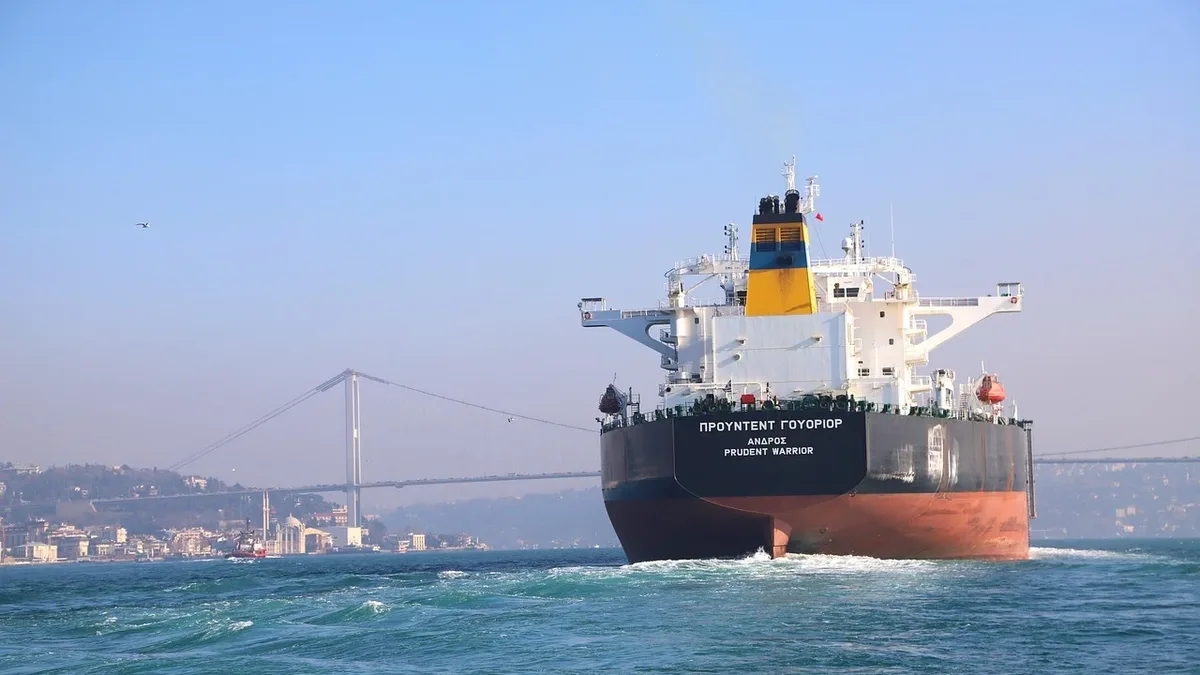
Multiple oil tankers have caught fire after striking naval mines in the Strait of Hormuz. Iran's Revolutionary Guards Navy and Army reported four separate incidents, including one involving a supertanker carrying more than 2 million barrels of crude oil.
Iran's Revolutionary Guards Navy said: "four oil tankers had caught fire and exploded in the Strait of Hormuz, while attempting to use what it described as unauthorised routes." The U.S. military disputed this account, stating instead that "the vessel was struck by an Iranian missile 'last month and rendered inoperable.'" The incidents occurred on October 29, with the IRGC initially reporting three vessels and the Iranian Army adding a fourth hours later.
Global shipping disruption and response
The attacks have triggered a naval blockade, reduced shipping volumes, and forced vessels to reroute via the Cape of Good Hope. The U.S. military is conducting aerial missions to enforce a blockade of Iran’s ports and protect commercial ships. This naval blockade of all maritime traffic entering and leaving Iran’s ports began on April 13, 2026.
The International Maritime Organization warned it could not guarantee safe transit through the Hormuz traffic route on October 27. In response, Aramco shifted European-bound crude to its Yanbu terminal on the Red Sea coast. This move was driven by the combined cost of freight, insurance, and extended transit time.
Rerouting via the Cape of Good Hope adds an estimated 10 to 14 days to each voyage. This diversion increases freight, fuel, and insurance costs significantly. VLCC freight on the Saudi Arabia-China benchmark route reached $1.33 million per day in October 2026, an all-time high.
Industry impact and insurance costs
War-risk insurance premiums for Hormuz transits have surged. In October 2026, they ran at 6 to 10 percent of a vessel's hull value per transit. No Protection and Indemnity club has restored Gulf war-risk coverage since March 2026.
The financial impact is severe. The extended voyages and premium hikes are compounding logistics costs across global supply chains.
Geopolitical escalation and diplomatic demands
Iran's leadership is demanding the restoration of oil waivers and the release of all its frozen funds, including those held in Qatar. This demand was made by Iran’s Foreign Minister Abbas Araghchi.
Concurrently, Iran’s Supreme Leader Mojtaba Khamenei ordered his military chiefs to prepare a harsh retaliation. He instructed them to respond to any attack on Iran with an immediate, impactful, and geographically unrestricted response.
The situation leaves 106,259 logistics professionals tracking a volatile and costly disruption. Commercial vessels continue to reroute via the Cape of Good Hope, adding 10 to 14 days to each voyage.