DSV Air Freight Revenue Rises 16.6% Despite Volume Dip
DSV's Q3 2026 air freight revenue grew to Dkr24.6bn as higher rates offset a 3% volume decline, with Middle East disruptions and Schenker integration shaping results.
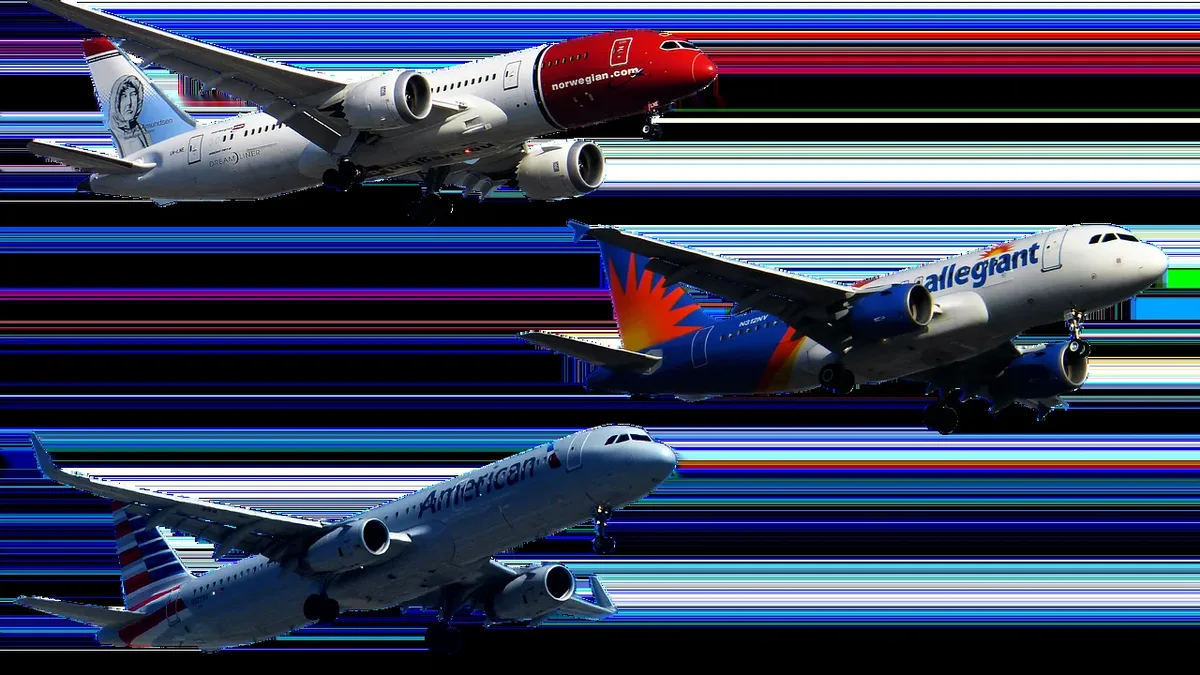
DSV's air freight revenue rose 16.6% to Dkr24.6bn in the third quarter of 2026. This growth came despite a 3% decline in volumes, which fell to 560,890 tonnes. The Denmark-headquartered freight forwarder's performance was driven by yield management and challenging market conditions.
Average gross profit yields increased 8% year on year in constant currencies. For the first nine months of the year, air freight volumes were up 15% compared to the same period in 2025. Group chief executive Jens Lund noted the company's resilience. "We delivered earnings growth in a volatile market, driven by strong results in Air & Sea and Contract Logistics," he said.
Profitability and Divisional Results
Air gross profit improved 4.3% to Dkr5bn in the quarter. The broader air and sea division saw revenue reach Dkr45.5bn, a 15.9% increase in constant currency terms. Gross profit for the division was Dkr9.2bn, up 0.2% year on year.
Sea freight gross profit, however, was down 4.2% year on year. DSV reported total group revenue of Dkr80.6bn, up 12% year on year. Total gross profit reached Dkr20.3bn, an increase of 2.3%.
| Metric | Q3 2026 Performance |
|---|---|
| Air Freight Revenue | Dkr24.6bn |
| Air Freight Volume | 560,890 tonnes |
| Air Gross Profit | Dkr5bn |
| Air & Sea Division Revenue | Dkr45.5bn |
| Air & Sea Division Gross Profit | Dkr9.2bn |
| Total Group Revenue | Dkr80.6bn |
| Total Group Gross Profit | Dkr20.3bn |
Market Challenges and Integration
The quarter was marked by significant headwinds. The Middle East conflict disrupted global airfreight networks, causing higher costs and volatility. Flight rerouting and reduced effective capacity were reported. Middle East-related trade lanes remained weak.
DSV's air volumes were negatively impacted by yield management initiatives and shippers shifting cargo from air to sea transport. The company also cited weak activity in Europe and reduced e-commerce demand on the Asia Pacific-Europe trade lane. Growth within its Technology business in Asia Pacific and North America partially offset these volume declines.
Meanwhile, the integration of Schenker largely continued as planned. Almost all countries had completed or were in the process of integrating by the end of the third quarter. A small number of countries were expected to start their integration in the fourth quarter of 2026.
Synergies and Road Division
Annual synergies from the acquisition are still expected to reach DKK 9 billion. These are partly offset by inflationary pressure and Contract Logistics costs. Some synergy realization faces delays.
Remaining synergies related to the Road division and certain Group functions are expected to be pushed into 2027. This is due to operational issues within the Road division post-integration. The division faced operational and commercial challenges in certain European markets. Service levels reportedly recovered by the end of the quarter.
DSV remains focused on completing the Schenker integration and realizing the planned synergies. The company is also advancing its 2030 ambitions through investments in AI, technology, and network optimisation.